

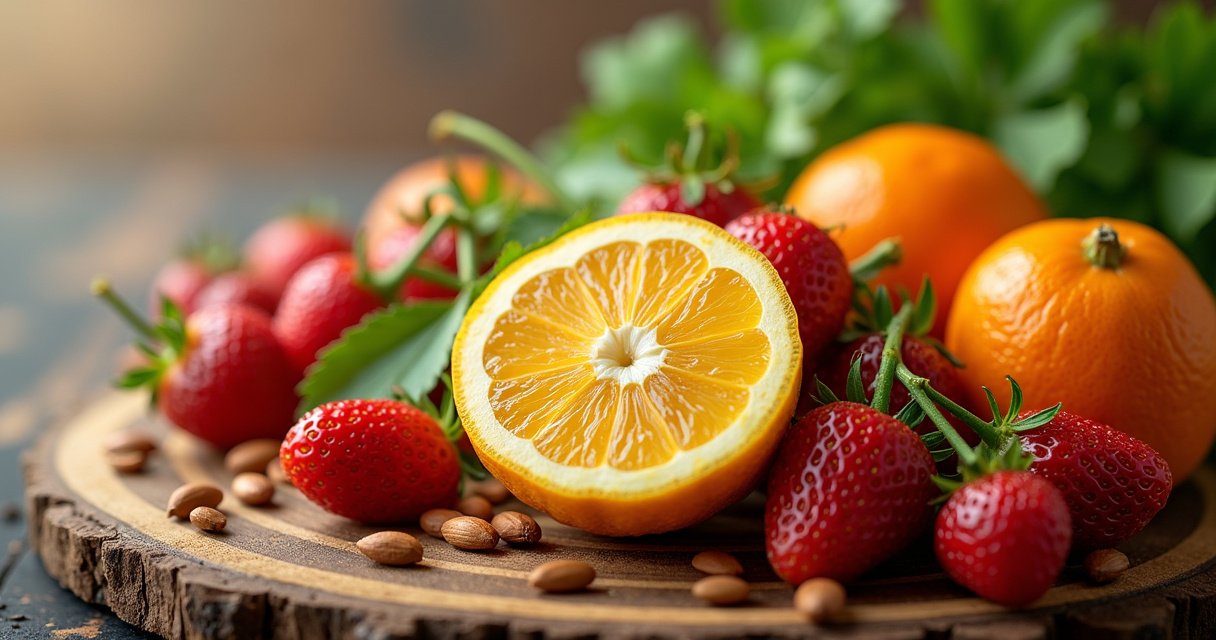
Natural Vitamin Rich Foods to Boost Immunity
Introduction
Maintaining a resilient defense system requires a deliberate focus on daily nutritional choices, specifically targeting natural vitamin rich foods to boost immunity. Rather than relying solely on synthetic supplements, incorporating whole food sources provides a complex matrix of vitamins, minerals, and antioxidants that work synergistically to support human physiology. Clinical observations in nutritional science consistently indicate that the human body absorbs and utilizes micronutrients far more efficiently when they are consumed in their original, unrefined food matrices. This comprehensive examination explores how targeted dietary adjustments involving whole foods can fortify the immune response against common pathogens, seasonal shifts, and environmental stressors. By evaluating the biochemical roles of key micronutrients—such as ascorbic acid, tocopherol, retinol precursors, and calciferol—individuals can design sustainable dietary patterns that promote long-term physiological resilience without relying on manufactured shortcuts.
The Biochemical Foundations of Dietary Immunity
Understanding how nutrition influences immune function requires examining the specific cellular mechanisms driven by essential micronutrients. Immune cells, including T-lymphocytes, neutrophils, and macrophages, depend heavily on an uninterrupted supply of biochemical cofactors to perform defensive tasks. Vitamin C, scientifically known as ascorbic acid, acts as a potent water-soluble antioxidant that protects cellular membranes from oxidative damage inflicted by free radicals during an active immune response. Furthermore, it stimulates the production and functional capacity of white blood cells, enhancing the body’s ability to neutralize microbial threats.
Parallel to this, fat-soluble vitamins such as Vitamin A and Vitamin E play specialized structural and regulatory roles. Vitamin A maintains the integrity of mucosal barriers located in the respiratory and gastrointestinal tracts, which serve as the primary physical frontline against invading pathogens. When mucosal surfaces remain robust and well-nourished, microbes struggle to breach host tissues. Meanwhile, Vitamin E safeguards lipid-rich cell membranes from degradation, ensuring that immune signaling pathways remain fluid and responsive. Integrating natural vitamin rich foods to boost immunity ensures that these cellular components receive a steady, bioavailable supply of nutrients without the risk of high-dose toxicity sometimes associated with isolated pharmacological supplements.
Citrus and Tropical Fruits for Ascorbic Acid Dominance
When evaluating top-tier sources of Vitamin C, citrus varieties immediately come to mind, yet the botanical kingdom offers an extensive array of options far beyond standard oranges and lemons. Guavas, papayas, and kiwifruits frequently surpass traditional citrus fruits in ascorbic acid concentration per serving. For instance, a single medium-sized guava provides more than double the recommended daily intake of Vitamin C, making it an exceptional addition to immune-focused meal planning.
In addition to ascorbic acid, these tropical and citrus selections contain bioflavonoids—plant compounds that enhance the absorption and retention of Vitamin C within human tissues while exerting independent anti-inflammatory effects. Incorporating whole fruits rather than extracted juices ensures the intake of dietary fiber, which supports the gastrointestinal microbiome. Because a significant portion of the human immune system resides within the gut wall, nurturing a diverse microbiome through fiber-rich, vitamin-dense fruit consumption creates a secondary layer of immunological defense. Regular inclusion of these foods helps regulate systemic inflammation and supports rapid recovery phases during periods of immune activation.
Dark Leafy Greens and Cruciferous Vegetables
Vegetables belonging to the brassica and leafy green families are indispensable pillars of a resilient nutritional profile. Spinach, kale, Swiss chard, and broccoli deliver an impressive concentration of beta-carotene, Vitamin K, folate, and Vitamin C. Beta-carotene functions as a direct precursor to Vitamin A, meaning the human body converts the pigment into active retinoids precisely as physiological demand dictates. This regulatory conversion prevents hypervitaminosis while ensuring a constant supply of mucosal-protecting compounds.
Cruciferous vegetables also contain glucosinolates, sulfur-containing compounds that break down into biologically active molecules known as isothiocyanates upon chewing and digestion. These molecules trigger phase II detoxification enzymes in the liver and upregulate antioxidant gene expression across various tissues. Steaming or lightly sautéing these vegetables optimizes the bioavailability of certain minerals while preserving heat-sensitive vitamins, offering a balanced approach to daily vegetable consumption. Consistent intake of these green powerhouses provides systemic support that reduces cellular wear and tear caused by everyday metabolic stress.
Nuts, Seeds, and Plant Oils for Tocopherol Intake
While fruits and vegetables dominate discussions regarding water-soluble vitamins, fat-soluble nutrients require a different class of whole foods. Vitamin E, or tocopherol, acts as a frontline defender against oxidative stress within lipid compartments of the body. Almonds, sunflower seeds, hazelnuts, and cold-pressed plant oils stand out as premier dietary sources of this essential nutrient.
A standard one-ounce serving of dry-roasted almonds supplies a substantial fraction of daily Vitamin E requirements alongside healthy monounsaturated fats. These fats not only support cell membrane flexibility but also facilitate the absorption of other fat-soluble vitamins consumed during the same meal. Furthermore, seeds like sunflower and pumpkin kernels contribute trace minerals such as zinc and selenium, which work in tandem with Vitamin E to optimize enzyme function within white blood cells. Balancing macronutrient intake with these concentrated, whole-food plant sources ensures that structural immune tissues remain resilient against oxidative degradation.
Comparative Nutritional Overview
To illustrate the distinct nutrient profiles and functional benefits of various immune-supporting foods, the following comparison table outlines key options available in everyday dietary planning.
| Food Category | Primary Nutrient Focus | Key Immune Benefit | Optimal Consumption Method |
|---|---|---|---|
| Citrus & Tropical Fruits | Vitamin C, Bioflavonoids | Enhances white blood cell activity and mucosal integrity | Raw, whole fruit or minimally sliced |
| Dark Leafy Greens | Beta-Carotene, Folate | Supports mucosal barriers and cellular repair | Lightly steamed, sautéed, or fresh in salads |
| Nuts & Seeds | Vitamin E, Zinc, Selenium | Protects cell membranes and aids enzymatic defense | Raw, dry-roasted, or blended into nut butters |
| Allium Vegetables | Organosulfur Compounds | Stimulates immune cell proliferation and combats microbes | Crushed or chopped, allowed to rest before cooking |
| Fermented Dairy & Plants | Probiotics, B-Vitamins | Strengthens gut-associated lymphoid tissue and microbiome | Unheated, raw, or naturally cultured |
Allium and Root Vegetables: Antimicrobial Powerhouses
Garlic, onions, leeks, and ginger have long histories of traditional use that modern nutritional science continues to validate. Garlic contains an active sulfur compound called alliin, which converts into allicin when the bulb is crushed, chopped, or chewed. Allicin exhibits well-documented antimicrobial properties that assist the body in subduing foreign pathogens during seasonal transitions.
Similarly, ginger root contains bioactive constituents such as gingerols and shogaols, which possess notable anti-inflammatory and antioxidant capabilities. These compounds help modulate cytokine production, preventing the immune system from overreacting and causing unnecessary tissue inflammation. Incorporating fresh ginger into warm infusions or adding crushed garlic to savory dishes delivers these volatile oils in their most active states. Regular culinary use of alliums and roots provides a gentle, ongoing stimulus to defensive biological pathways without requiring specialized supplementation.
The Role of Whole Grains and Legumes in Micronutrient Delivery
Often overlooked in discussions centered strictly on vitamins, whole grains and legumes provide essential B-complex vitamins, iron, and zinc that indirectly support immune competence. Nutrients such as Vitamin B6, found abundantly in chickpeas, lentils, and whole oats, are vital for biochemical reactions occurring within the immune system. Vitamin B6 deficiency impairs lymphocyte proliferation and antibody production, dampening the body’s adaptive response to recurring infections.
Additionally, whole grains supply prebiotic fibers that feed beneficial gut bacteria. When intestinal microbes ferment these complex carbohydrates, they produce short-chain fatty acids like butyrate, which nourish colonocytes and reinforce the intestinal barrier against pathogen translocation. Selecting intact grains—such as quinoa, brown rice, and farro—instead of refined flour products ensures a steady delivery of these foundational micronutrients, establishing a stable metabolic environment where immune cells can operate efficiently.
Frequently Asked Questions
Can consuming too many vitamin-rich foods cause adverse health effects?
Consuming vitamins naturally through whole foods rarely causes toxicity because the body tightly regulates the absorption and excretion of water-soluble and fat-soluble nutrients. Adverse effects are almost exclusively linked to the misuse of high-dose pharmacological supplements rather than dietary intake of fruits, vegetables, nuts, and seeds.
Does cooking destroy the vitamin content in fresh produce?
Heat-sensitive vitamins, particularly Vitamin C and certain B vitamins, can degrade when exposed to prolonged high temperatures or boiling water. Steaming, roasting, or consuming produce raw preserves a higher percentage of these delicate micronutrients while still allowing the body to easily digest the plant matter.
How quickly can dietary adjustments impact immune function?
Biological tissues respond continuously to incoming nutritional signals, but measurable improvements in systemic markers and mucosal strength typically manifest within several weeks of adopting a nutrient-dense dietary pattern. Consistency over months and years yields the most significant long-term protective benefits.
Are frozen fruits and vegetables as nutritious as fresh varieties?
Frozen produce is frequently flash-frozen at peak ripeness, locking in vitamin concentrations that can sometimes exceed fresh produce that has spent days or weeks in transit and storage. Consequently, frozen options serve as an excellent, nutrient-dense alternative when fresh seasonal items are unavailable.
Is it necessary to consume animal products to maintain strong immunity?
A well-planned plant-based diet can supply all necessary vitamins and minerals required for robust immune function, provided attention is paid to specific micronutrients. Whole plant foods offer abundant antioxidants, vitamins, and fiber that effectively support human physiological defense mechanisms without requiring animal-derived inputs.
Conclusion
Achieving and maintaining robust physiological defense mechanisms relies on the consistent selection of whole, unrefined foods that deliver essential micronutrients in their most bioavailable forms. By prioritizing a diverse dietary pattern rich in ascorbic acid, tocopherols, carotenoids, and organosulfur compounds, individuals provide their bodies with the exact biochemical tools required to withstand environmental and microbial challenges. The evidence clearly demonstrates that sustainable health outcomes stem from lifelong dietary habits rather than short-term interventions or isolated supplements. Moving forward, evaluating everyday meal choices through the lens of nutritional density offers a practical, effective pathway toward enduring wellness and physiological vitality.
Featured Image Credit: Generated/Sourced via Runware.ai.
Disclaimer: This article is AI-generated for informational and educational purposes. While we strive to provide high-quality context and authority, the content should not be used as professional advice. The author/website assumes no liability for external links or factual omissions.