

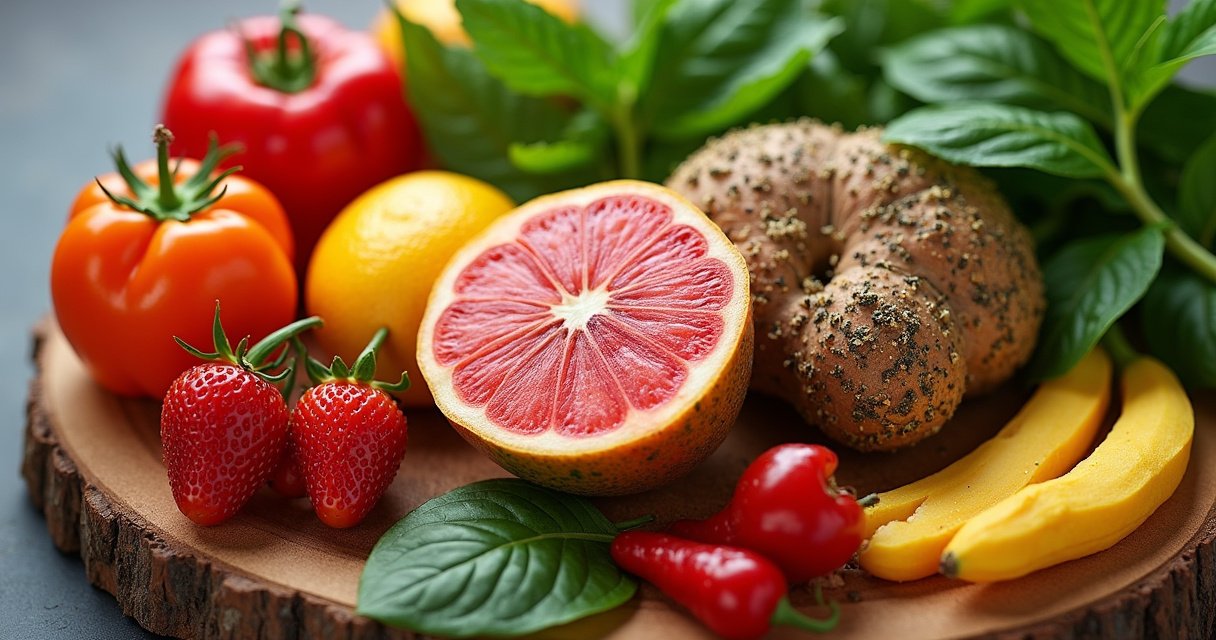
Best Anti Inflammatory Foods for Daily Health
Chronic inflammation has quietly become one of the most pressing health concerns of the modern era. While acute inflammation is a natural and necessary immune response to injury or infection, low-grade, persistent inflammation operates differently. It simmers beneath the surface, triggered by persistent stress, environmental pollutants, and dietary patterns heavy in refined sugars and ultra-processed ingredients. Over time, this biological friction damages healthy tissues and organs, laying the groundwork for cardiovascular complications, metabolic disorders, and persistent joint discomfort.
Addressing this modern health challenge does not require complicated pharmaceutical interventions or extreme dietary restrictions. Instead, the most effective strategy relies on the daily integration of whole, nutrient-dense ingredients. Incorporating the best anti-inflammatory foods for daily health into regular meals offers a sustainable, scientifically backed method to modulate immune responses, protect cellular integrity, and foster long-term vitality. Shifting focus away from restrictive dieting and toward additive nutrition transforms daily eating habits into a powerful form of preventive medicine.
Understanding the Biological Mechanisms of Inflammation
To appreciate why specific ingredients protect the body, understanding the underlying cellular processes is essential. When the immune system detects a perceived threat, it deploys white blood cells and cytokines to neutralize the trigger. In a healthy scenario, this response resolves quickly once the threat is gone. However, a continuous influx of pro-inflammatory triggers causes the immune system to remain on high alert. This constant activation damages DNA, proteins, and cell membranes, accelerating biological aging and increasing susceptibility to chronic illnesses.
Dietary components play a direct role in either fueling or cooling this immune activity. Foods rich in refined carbohydrates, trans fats, and artificial additives stimulate the production of inflammatory signaling molecules, such as C-reactive protein and tumor necrosis factor-alpha. Conversely, nutrient profiles rich in antioxidants, vitamins, minerals, and specific fatty acids inhibit these inflammatory pathways. By neutralizing free radicals—unstable molecules that cause oxidative stress—protective nutrients prevent cellular damage and maintain systemic balance.
Powerhouse Produce: Leafy Greens and Colorful Vegetables
Plant foods form the absolute foundation of an anti-inflammatory diet, providing an abundance of vitamins, minerals, and phytonutrients that actively suppress immune overactivity. Leafy greens such as spinach, kale, and Swiss chard are packed with carotenoids, vitamin E, and specialized flavonoids that protect cells from oxidative degradation. Regular consumption of these dark greens supplies magnesium, a mineral deficiency closely associated with elevated systemic inflammatory markers in clinical research.
Cruciferous vegetables, including broccoli, Brussels sprouts, cauliflower, and cabbage, deserve a prominent place in daily meal planning. These vegetables contain sulforaphane, a potent sulfur-containing compound known to upregulate the body’s natural antioxidant defenses and block enzymes that drive joint and tissue degradation. To maximize the bioavailability of these protective compounds, gentle steaming or lightly sautéing vegetables in healthy fats proves far more effective than boiling, which can leach vital water-soluble nutrients.
The Role of Healthy Fats in Modulating Immune Responses
Fats have spent decades burdened by an undeserved reputation, but modern nutritional science clearly distinguishes between harmful industrial fats and those essential for biological regulation. Omega-3 fatty acids, found abundantly in fatty fish like salmon, mackerel, sardines, and anchovies, are among the most potent natural inflammation fighters available. These essential fats serve as precursors to specialized pro-resolving mediators, molecules that actively signal the immune system to halt inflammatory cascades and begin tissue repair.
Plant-based sources of healthy fats offer equally impressive benefits. Extra virgin olive oil contains oleocanthal, a natural compound that exhibits pharmacological properties remarkably similar to non-steroidal anti-inflammatory drugs without the associated gastrointestinal side effects. Incorporating raw nuts, particularly walnuts, along with seeds such as chia and flaxseeds, provides a steady supply of alpha-linolenic acid, a plant-based omega-3 fatty acid that supports cardiovascular health and metabolic equilibrium.
Vibrant Berries and Citrus Fruits for Cellular Protection
The vibrant colors found in nature serve as a visual indicator of phytochemical richness. Berries—including blueberries, strawberries, blackberries, and raspberries—are exceptional sources of anthocyanins, water-soluble pigments that deliver powerful antioxidant and anti-inflammatory activity. Clinical evaluations consistently demonstrate that regular berry consumption improves endothelial function, reduces blood pressure, and lowers circulating markers of vascular inflammation.
Citrus fruits such as oranges, lemons, grapefruits, and limes contribute substantial amounts of vitamin C and specialized flavonoids like hesperidin and naringenin. Vitamin C acts as a premier electron donor, neutralizing reactive oxygen species before they can damage cellular structures. Furthermore, citrus bioflavonoids work synergistically with vitamin C to strengthen capillary walls and modulate immune cell activity, making these fruits invaluable additions to daily nutrition strategies.
Essential Spices and Herbs for Natural Relief
The spice rack offers some of the most potent medicinal compounds found in the human diet, often rivaling synthetic remedies in their biochemical potency. Turmeric, a staple spice in South Asian culinary traditions, owes its therapeutic reputation to curcumin, its primary active constituent. Curcumin targets multiple steps in the inflammatory pathway at the molecular level, inhibiting specific molecules known to play major roles in chronic disease development. Because curcumin has relatively low bioavailability on its own, pairing turmeric with a pinch of black pepper increases absorption significantly through the action of piperine.
Ginger represents another formidable botanical ally, containing gingerols and shogaols that inhibit the formation of inflammatory cytokines and prostaglandins. Regular inclusion of fresh ginger root in teas, soups, and stir-fries helps alleviate exercise-induced muscle soreness and supports gastrointestinal comfort. Garlic, onions, and other members of the allium family contribute organosulfur compounds that enhance immune function and support the body’s natural detoxification processes.
Comparing Dietary Approaches to Inflammation Management
| Dietary Strategy | Primary Mechanisms | Key Food Sources | Potential Health Benefits |
|---|---|---|---|
| Mediterranean Diet | High in monounsaturated fats and polyphenols | Olive oil, fish, leafy greens, nuts | Supports cardiovascular health and metabolic stability |
| Plant-Based Nutrition | Rich in dietary fiber, vitamins, and antioxidants | Berries, cruciferous vegetables, legumes | Enhances gut microbiome diversity and reduces oxidative stress |
| Omega-3 Enrichment | Suppresses pro-inflammatory eicosanoid production | Salmon, sardines, flaxseeds, chia seeds | Protects joint function and lowers systemic markers |
| Spice-Integrated Diet | Inhibits cytokine production and enzyme pathways | Turmeric, ginger, garlic, cinnamon | Provides targeted cellular protection and reduces discomfort |
Cultivating a Gut Microbiome That Fights Inflammation
The human gastrointestinal tract houses trillions of microorganisms that exert profound influence over immune function, metabolic health, and systemic inflammation. A diverse and thriving microbiome acts as a biological gatekeeper, producing short-chain fatty acids like butyrate when beneficial bacteria ferment dietary fiber. Butyrate nourishes the cells lining the colon, strengthens the intestinal barrier, and prevents endotoxins from leaking into the bloodstream, which would otherwise trigger widespread immune activation.
Fermented foods such as yogurt, kefir, sauerkraut, kimchi, and kombucha introduce live probiotic cultures that populate the gut with health-promoting bacteria. Combining these fermented options with prebiotic fibers found in garlic, onions, leeks, oats, and slightly underripe bananas creates a synergistic environment known as synbiosis. This dual approach ensures that beneficial bacteria receive the nourishment required to multiply, crowd out pathogenic microbes, and maintain an anti-inflammatory internal environment.
Practical Steps for Daily Dietary Integration
Transforming nutritional knowledge into sustainable daily habits requires a structured, realistic approach rather than an abrupt, overwhelming overhaul. Gradual adjustments prevent dietary fatigue and promote long-term adherence. Initiating simple swaps, such as replacing refined cooking oils with cold-pressed extra virgin olive oil or adding a handful of berries to morning meals, establishes momentum without requiring complex meal preparation.
Meal planning plays a critical role in maintaining consistency. Stocking the pantry with canned fish, bulk nuts, seeds, and dried spices ensures that nutrient-dense options remain readily available even during busy schedules. Preparing batches of roasted vegetables or grain bowls containing quinoa and leafy greens simplifies weekday nutrition. The objective centers on crowding out pro-inflammatory ultra-processed foods by continuously adding vibrant, whole ingredients to every meal.
Frequently Asked Questions
How quickly can dietary changes reduce inflammation in the body?
Observable shifts in blood markers and subjective well-being often occur within weeks of adopting a whole-food, anti-inflammatory dietary pattern. Improvements in gut microbiome diversity and cellular repair mechanisms begin almost immediately upon removing highly processed triggers and increasing antioxidant intake.
Are supplements necessary, or can food alone provide sufficient benefits?
Whole foods provide complex matrices of vitamins, minerals, fiber, and phytonutrients that work synergistically in ways isolated supplements cannot replicate. While targeted supplementation may benefit individuals with specific diagnosed deficiencies or severe clinical needs, a nutrient-dense diet remains the primary foundation for sustainable health.
Do cooking methods affect the anti-inflammatory properties of food?
Certain preparation techniques preserve delicate nutrients better than others. Steaming, light sautéing, and consuming raw produce maximize the retention of heat-sensitive vitamins and phytonutrients. Conversely, high-heat frying can create advanced glycation end products, which actively stimulate inflammatory pathways.
Can anti-inflammatory foods help with exercise recovery?
Yes, incorporating antioxidant-rich foods and natural compounds like curcumin and ginger helps mitigate oxidative stress and muscle soreness following intense physical exertion. This accelerates recovery times and allows for more consistent physical activity routines.
What foods should be actively avoided to reduce systemic inflammation?
Minimizing intake of refined sugars, high-fructose corn syrup, trans fats, refined seed oils high in omega-6 fatty acids, and heavily processed meats helps prevent the continuous activation of pro-inflammatory immune pathways.
Conclusion
Navigating modern health challenges requires a deliberate return to nutritional fundamentals. The human body responds profoundly when fueled with whole, nutrient-dense ingredients designed by nature to protect, repair, and sustain biological function. By prioritizing leafy greens, fatty fish, vibrant berries, antioxidant-rich spices, and fiber-packed plant foods, individuals establish a resilient internal environment capable of resisting the damaging effects of chronic inflammation. Long-term wellness is built not through restrictive deprivation, but through the consistent, joyful integration of nourishing foods that promote vitality at every stage of life.
Featured Image Credit: Generated/Sourced via Runware.ai.
Disclaimer: This article is AI-generated for informational and educational purposes. While we strive to provide high-quality context and authority, the content should not be used as professional advice. The author/website assumes no liability for external links or factual omissions.