

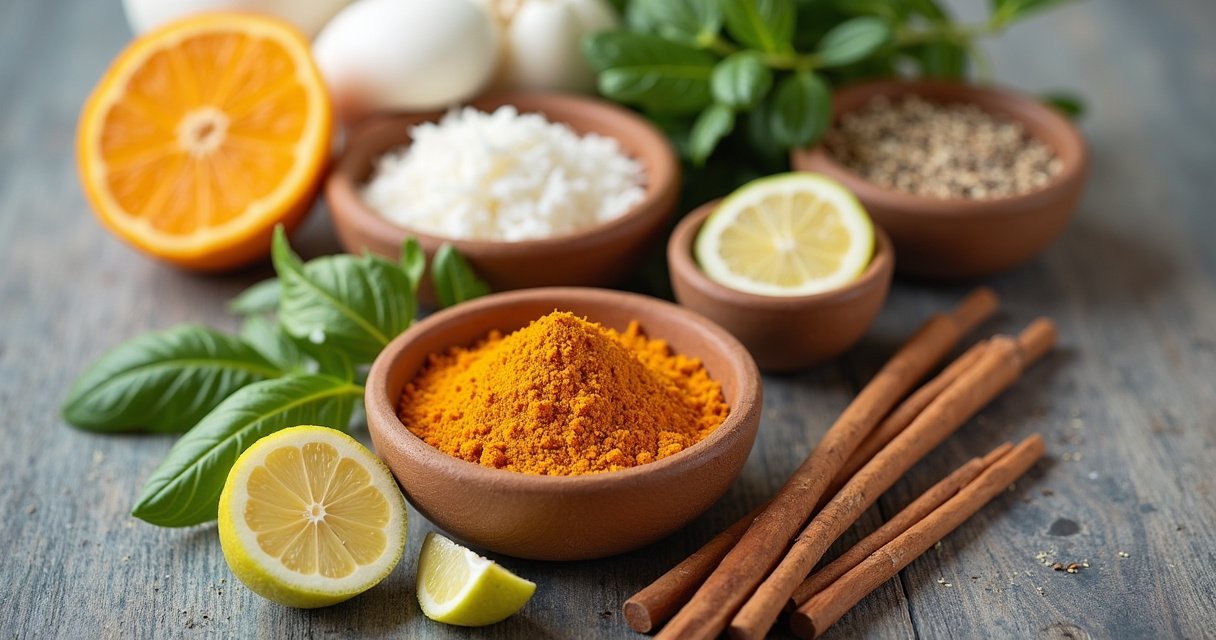
Natural Healing: Best Kitchen Ingredients for Common Cold Relief
The arrival of the seasonal sniffles often prompts a frantic search through medicine cabinets, yet some of the most potent remedies are already resting quietly on pantry shelves. When a scratchy throat and a heavy head signal the onset of a viral upper respiratory infection, the domestic kitchen transforms into a functional apothecary. Utilizing the best kitchen ingredients for common cold relief offers a time-tested, cost-effective approach to symptom management without requiring immediate reliance on over-the-counter pharmaceuticals. Clinical research published by institutions such as the National Institutes of Health consistently highlights how bioactive compounds found in everyday culinary staples possess genuine antimicrobial, anti-inflammatory, and immune-modulating properties. Understanding how to harness these common foods can significantly reduce the duration and severity of seasonal discomfort.
The Science of Culinary Medicine During Illness
Long before modern pharmacology synthesized symptom-suppressing tablets, households relied on the biochemical properties of staple foods to restore health. Culinary medicine bridges the gap between nutrition and clinical science, demonstrating that what humans eat directly influences immune function and inflammatory pathways. When a rhinovirus invades the mucosal membranes, the body mounts an inflammatory response characterized by swelling, mucus overproduction, and fatigue. Specific nutritional elements found in pantry staples actively modulate this response. For instance, volatile oils present in aromatic roots and pungent bulbs can dilate bronchial passages and thin tenacious mucus, making breathing noticeably easier. Clinical observations documented by the World Health Organization emphasize that maintaining proper hydration and utilizing micronutrient-dense foods remain foundational pillars for managing acute viral illnesses safely at home.
Ginger: The Anti-Inflammatory Powerhouse
Few roots rival the medicinal versatility of fresh ginger when addressing upper respiratory distress. Gingerol, the primary bioactive compound in the rhizome, exhibits remarkable anti-inflammatory and antioxidant capabilities that rival synthetic pain relievers. When steeped in hot water, ginger releases these potent compounds, which help relax inflamed membranes in the throat and suppress the neural triggers responsible for persistent coughing.
Beyond soothing irritation, ginger stimulates peripheral circulation, encouraging a mild, therapeutic sweat that helps the body regulate its temperature during a low-grade fever. Pharmacological studies reviewed by the U.S. Food and Drug Administration support the digestive-soothing aspects of the root as well, which proves particularly valuable since viral infections frequently disrupt normal gastrointestinal function and appetite. Integrating crushed or sliced ginger into warm liquids provides immediate, localized relief to upper respiratory tissues while delivering systemic immune support.
Garlic: Nature’s Broad-Spectrum Antimicrobial
The pungent aroma of crushed garlic signals the presence of allicin, a sulfur-containing compound formed only when the clove is physically damaged or chopped. Allicin demonstrates powerful antibacterial and antiviral properties, functioning as a natural deterrent against invading pathogens. Research highlighted by the Centers for Disease Control and Prevention indicates that regular consumption of sulfur-rich bulbs can enhance the functional activity of immune cells, specifically stimulating natural killer cells and macrophages to respond more efficiently to viral threats.
To maximize the therapeutic yield of garlic, raw or lightly bruised cloves should be allowed to rest for ten minutes before cooking or steeping, allowing the enzymatic reaction that creates allicin to reach its peak. Incorporating this aromatic bulb into broths or warm infusions delivers concentrated organosulfur compounds directly to the upper respiratory tract, where they help neutralize pathogens and clear congestion.
Honey: A Golden Standard for Cough Suppression
For soothing an irritated throat and calming a relentless cough, raw honey often outperforms commercial pharmaceutical suppressants. The viscous texture of honey coats the pharyngeal mucosa, forming a protective barrier that reduces mechanical irritation and the urge to cough. Clinical trials monitored by the Mayo Clinic have demonstrated that a small dose of viscous nectar administered before sleep significantly improves sleep quality for individuals battling nighttime coughing spasms.
Furthermore, raw honey contains an array of polyphenols and flavonoids that act as antioxidants, combating the cellular oxidative stress associated with active immune responses. It is worth noting a critical safety guideline: honey should never be given to infants under one year of age due to the risk of infant botulism, but for older children and adults, it remains an invaluable, soothing pantry remedy.
Lemon and Citrus: Vitamin C and Alkalizing Hydration
Citrus fruits, particularly lemons, serve as essential components of any comprehensive home care strategy for viral illnesses. While high doses of vitamin C may not completely prevent a viral infection, clinical data compiled by the Harvard T.H. Chan School of Public Health confirms that maintaining optimal levels of this essential micronutrient can noticeably shorten the duration of symptoms and support white blood cell function.
The citric acid found in fresh lemons also helps stimulate saliva and mucus production, which naturally lubricates dry, irritated throat tissues. Squeezing fresh citrus into warm water provides vital hydration accompanied by electrolytes and antioxidants, assisting the renal system in filtering out metabolic waste products generated during the immune response.
Turmeric and Black Pepper: Combating Systemic Inflammation
The vibrant golden spice turmeric contains curcumin, a polyphenol renowned for its profound anti-inflammatory and immunomodulatory effects. Curcumin helps regulate cytokine production, preventing the immune system from overreacting and causing excessive tissue inflammation in the sinuses and throat. However, curcumin possesses notoriously low bioavailability on its own.
This biochemical limitation is easily overcome by pairing turmeric with piperine, the active alkaloid found in freshly ground black pepper. Research published by the American Medical Association shows that piperine enhances curcumin absorption by up to two thousand percent. Simmering these two spices together in plant-based milk or broth creates a restorative golden beverage that addresses deep-seated body aches and systemic inflammation.
Comparative Overview of Cold Relief Ingredients
| Ingredient | Primary Active Compound | Key Physiological Benefit | Optimal Preparation Method |
|---|---|---|---|
| Ginger | Gingerol | Reduces throat inflammation and thins mucus | Steeped fresh in hot water |
| Garlic | Allicin | Exhibits antiviral and antimicrobial activity | Crushed and consumed raw or lightly warmed |
| Honey | Flavonoids and Polyphenols | Coats throat and suppresses coughing | Stirred into warm (not boiling) liquids |
| Lemon | Ascorbic Acid (Vitamin C) | Supports white blood cells and hydration | Juiced into warm water or herbal tea |
| Turmeric | Curcumin | Modulates immune response and body aches | Simmered with black pepper and a healthy fat |
Crafting Effective Herbal Infusions and Broths
Combining these powerful pantry staples into cohesive, palatable preparations maximizes their therapeutic potential while ensuring adequate fluid intake. A standard restorative infusion begins with simmering sliced ginger root and crushed garlic in filtered water for ten to fifteen minutes, allowing the active compounds to leach fully into the liquid. Once removed from the heat source and allowed to cool slightly—preventing the degradation of heat-sensitive enzymes—raw honey and fresh lemon juice are stirred into the mixture.
For a more substantial option, a mineral-rich vegetable or bone broth can serve as the base, incorporating turmeric, black pepper, and diced onions. This approach delivers sustained hydration, vital electrolytes, and concentrated phytochemicals directly to the gastrointestinal tract, where a significant portion of the human immune system resides.
Frequently Asked Questions
Can kitchen ingredients completely cure a viral upper respiratory infection?
No single food or spice can instantly cure a viral infection, as these illnesses must run their natural course while the immune system manufactures specific antibodies. However, utilizing targeted culinary ingredients can effectively mitigate symptom severity, reduce inflammation, shorten the overall duration of the illness, and provide significant physical comfort.
Why is it important to avoid adding honey to boiling water?
Exposing raw honey to boiling temperatures destroys its delicate enzymes, heat-sensitive antioxidants, and beneficial microbial peptides. To preserve these therapeutic properties, warm liquids should be allowed to cool to a comfortable drinking temperature before the honey is stirred in.
Is raw garlic safe to consume in large quantities during an illness?
While garlic offers exceptional antimicrobial benefits, consuming excessive amounts of raw cloves on an empty stomach can cause gastrointestinal distress, heartburn, or allergic reactions in sensitive individuals. Moderation is key, and cooking or steeping the garlic gently can reduce digestive irritation while retaining much of its medicinal value.
How often should these remedial beverages be consumed throughout the day?
Drinking warm infusions or broths every three to four hours helps maintain consistent hydration and ensures a steady supply of active botanical compounds in the bloodstream. Listening to bodily cues and adjusting fluid intake based on thirst and comfort levels remains the most reliable guideline.
Conclusion
Navigating the discomfort of seasonal respiratory illnesses becomes significantly more manageable when utilizing the best kitchen ingredients for common cold relief. By thoughtfully integrating therapeutic roots, pungent bulbs, golden spices, and vitamin-rich citrus fruits into daily routines, individuals can harness the principles of culinary medicine to support natural healing processes. These accessible, evidence-backed staples offer a reliable first line of defense, reducing inflammation, easing congestion, and providing comfort without unnecessary synthetic additives. Prioritizing whole foods during times of illness reinforces the fundamental connection between nutrition and resilience, establishing a practical framework for maintaining long-term wellness.
Featured Image Credit: Generated/Sourced via Runware.ai.
Disclaimer: This article is AI-generated for informational and educational purposes. While we strive to provide high-quality context and authority, the content should not be used as professional advice. The author/website assumes no liability for external links or factual omissions.