

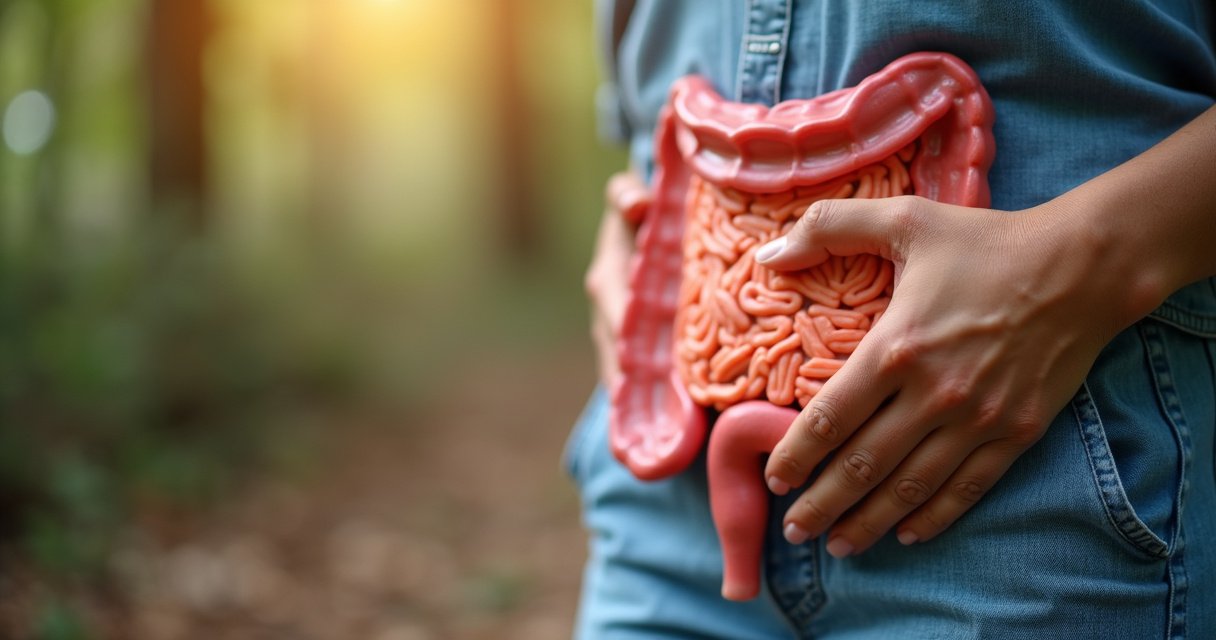
The human digestive system acts as a complex ecosystem, housing trillions of microorganisms that dictate far more than simple food breakdown. When this delicate microbial balance shifts unfavorably, the body frequently signals distress through a wide array of physical and psychological indicators. Modern clinical research increasingly connects gastrointestinal equilibrium to immune function, skin vitality, metabolic health, and neurological processing. Recognizing the early warning indicators of gastrointestinal imbalance allows individuals to take proactive steps toward restoration before chronic issues develop. Implementing targeted dietary adjustments, lifestyle modifications, and evidence-based herbal interventions can significantly improve microbiome diversity and overall wellness.
Understanding the Microbiome and Gastrointestinal Balance
The gastrointestinal tract contains a vast community of bacteria, fungi, viruses, and archaea collectively known as the gut microbiome. In a state of optimal health, beneficial microorganisms outnumber harmful strains, maintaining a protective mucosal barrier that lines the intestinal walls. This barrier regulates nutrient absorption while preventing undigested food particles, toxins, and pathogens from entering the bloodstream. When lifestyle factors such as chronic stress, inadequate sleep, excessive sugar consumption, and frequent antibiotic use disrupt this environment, a condition known as dysbiosis occurs. Dysbiosis compromises the integrity of the intestinal lining, often leading to increased intestinal permeability, commonly referred to as a leaky gut. Scientific investigations published by institutions like the National Institutes of Health emphasize that maintaining microbial diversity is essential for metabolic regulation and disease prevention.
Primary Signs of an Unhealthy Gut
The human body communicates internal distress through clear, observable symptoms that span multiple physiological systems. Paying attention to these signals helps pinpoint underlying digestive dysfunction.
- Persistent Digestive Discomfort: Chronic bloating, excessive gas, frequent cramping, and alternating bouts of diarrhea or constipation indicate that food is not breaking down efficiently and microbial fermentation is occurring incorrectly.
- Unexplained Fatigue and Sleep Disturbances: A significant portion of the body’s serotonin, a neurotransmitter heavily involved in mood and sleep regulation, is produced in the gastrointestinal tract. Microbial imbalances frequently interfere with neurotransmitter synthesis, resulting in chronic exhaustion and poor sleep quality.
- Skin Irritations and Inflammatory Conditions: Conditions such as eczema, rosacea, acne, and chronic rashes often trace back to gut inflammation. The gut-skin axis describes how intestinal permeability allows inflammatory byproducts to enter circulation, manifesting visibly on the skin.
- Frequent Sugar Cravings: Opportunistic bacteria and candida thrive on simple sugars and refined carbohydrates. When these harmful microbes dominate the microbiome, they send chemical signals that manipulate dietary preferences, triggering intense cravings for sweets.
- Autoimmune Flare-Ups and Weakened Immunity: Because approximately seventy percent of the immune system resides in the gut, structural damage to the intestinal lining can trigger hyper-reactive immune responses, increasing the frequency of infections and autoimmune symptoms.
- Brain Fog and Mood Fluctuations: Persistent difficulty concentrating, memory lapses, anxiety, and mild depressive symptoms often correlate with neuroinflammation driven by poor gastrointestinal health and altered gut-brain signaling pathways.
Comparing Conventional Management and Natural Restoration
| Feature | Conventional Symptom Management | Natural Gut Restoration Approach |
|---|---|---|
| Primary Focus | Suppressing individual symptoms using antacids, laxatives, or prescription medications. | Identifying and correcting the root cause of microbial imbalance and mucosal damage. |
| Dietary Role | Minimal emphasis on long-term nutritional changes; reliance on pharmaceutical intervention. | Utilization of whole foods, prebiotics, and elimination diets to starve pathogens. |
| Long-term Outlook | Often requires continuous medication use to keep recurring symptoms managed. | Aims to restore autonomous digestive function and lasting microbial resilience. |
| Side Effects | Potential dependency, nutrient depletion, and secondary digestive disruption. | Minimal adverse effects, accompanied by systemic health improvements. |
Dietary Modifications for Microbiome Repair
Nutritional intake serves as the primary driver of microbial composition, as food components directly nourish specific bacterial strains. Transitioning away from ultra-processed foods, artificial sweeteners, and refined vegetable oils is a critical first step. These substances feed pro-inflammatory microbes and degrade the protective mucus layer of the intestines. Instead, emphasizing a fiber-rich diet containing diverse plant foods encourages the proliferation of beneficial bacteria such as Bifidobacteria and Lactobacilli.
Incorporating prebiotic fibers—found in garlic, onions, leeks, asparagus, Jerusalem artichokes, and slightly underripe green bananas—provides the necessary fuel for beneficial microbes to produce short-chain fatty acids like butyrate. Butyrate nourishes the colonocytes, reduces local inflammation, and strengthens the intestinal barrier. Furthermore, increasing the intake of polyphenol-rich foods such as berries, dark chocolate, green tea, and extra virgin olive oil supports microbial richness and protects against oxidative stress within the digestive tract. Clinical studies highlighted by organizations like the World Health Organization consistently advocate for plant-dense dietary patterns to prevent chronic non-communicable diseases linked to poor gut health.
The Role of Fermented Foods and Probiotics
Introducing live, beneficial microorganisms through fermented foods provides a direct method for populating the gastrointestinal tract with transient health-promoting bacteria. Traditional fermentation processes naturally preserve foods while generating active cultures that aid digestion and modulate immune activity. Regular consumption of unpasteurized sauerkraut, kimchi, traditional plain kefir, live-culture yogurt, and raw apple cider vinegar introduces diverse bacterial strains that crowd out pathogenic invaders.
When dietary sources are insufficient, targeted probiotic supplementation can assist in addressing specific imbalances. Different strains offer distinct therapeutic benefits; for example, Lactobacillus rhamnosus GG has been extensively studied for supporting immune function, while Saccharomyces boulardii—a beneficial yeast—helps protect the gut barrier during antibiotic therapy. Selecting high-quality supplements with guaranteed colony-forming units (CFUs) through expiration and proper encapsulation ensures that viable bacteria survive the acidic environment of the stomach to reach the intestines.
Lifestyle Factors Impacting Gastrointestinal Integrity
Beyond nutrition and supplementation, daily lifestyle habits exert a profound influence on digestive stability. Chronic psychological stress activates the hypothalamic-pituitary-adrenal axis, releasing cortisol and adrenaline, which directly alter gut motility, increase intestinal permeability, and modify microbial composition. Establishing stress-reduction practices such as mindfulness meditation, diaphragmatic breathing exercises, and restorative yoga helps regulate the autonomic nervous system, promoting the “rest and digest” state necessary for optimal enzymatic secretion and nutrient assimilation.
Physical activity also plays a supportive role in shaping a healthy microbiome. Moderate, consistent exercise increases microbial diversity and enhances the growth of anti-inflammatory bacterial species independent of dietary changes. Conversely, sedentary behavior combined with chronic sleep deprivation negatively impacts gut barrier function and glucose metabolism. Ensuring seven to nine hours of quality sleep per night supports circadian rhythms that govern both human physiology and microbial metabolic activity. Research published by agencies like the Centers for Disease Control and Prevention underscores the interconnected nature of physical activity, sleep hygiene, and overall metabolic health.
Frequently Asked Questions
How long does it take to heal an unhealthy gut?
The timeline for restoring gastrointestinal health varies significantly depending on the severity of the initial imbalance, adherence to dietary protocols, and individual physiological factors. Mild cases of dysbiosis may show measurable improvement within two to four weeks of dietary intervention, whereas chronic conditions involving significant intestinal permeability or long-standing autoimmune activity often require several months of consistent care.
Are elimination diets necessary for gut recovery?
Elimination diets are not universally required, but they can be highly effective diagnostic and therapeutic tools for individuals experiencing persistent symptoms, food sensitivities, or suspected small intestinal bacterial overgrowth. Temporarily removing common irritants such as gluten, dairy, soy, and refined sugars allows the intestinal lining to reduce inflammation and heal before foods are systematically reintroduced.
Can stress alone cause digestive symptoms?
Yes, the bidirectional communication network known as the gut-brain axis allows psychological stress to directly alter gastrointestinal motility, reduce blood flow to the digestive tract, and change the composition of the microbiome. High stress levels frequently manifest as acute abdominal discomfort, cramping, diarrhea, or constipation even in the absence of poor dietary habits.
What is the difference between prebiotics and probiotics?
Prebiotics are non-digestible fibers and carbohydrates that serve as food for beneficial gut bacteria, stimulating their growth and metabolic activity. Probiotics are live, beneficial microorganisms—bacteria or yeasts—that are consumed through food or supplements to directly add to the population of friendly microbes residing in the digestive tract.
Conclusion
Restoring and maintaining gastrointestinal wellness requires a comprehensive, sustainable approach that addresses nutrition, stress management, sleep quality, and microbial diversity. Recognizing the subtle and overt indicators of an unbalanced microbiome allows individuals to transition away from symptom suppression and toward foundational healing. By eliminating pro-inflammatory foods, incorporating fiber-rich plant matter, consuming fermented foods, and managing daily stressors, the digestive system can repair its protective barriers and regain optimal function. Long-term health is inextricably linked to the vitality of the gut ecosystem, making informed dietary and lifestyle choices an essential investment in overall well-being.
Featured Image Credit: Generated/Sourced via Runware.ai.
Disclaimer: This article is AI-generated for informational and educational purposes. While we strive to provide high-quality context and authority, the content should not be used as professional advice. The author/website assumes no liability for external links or factual omissions.