

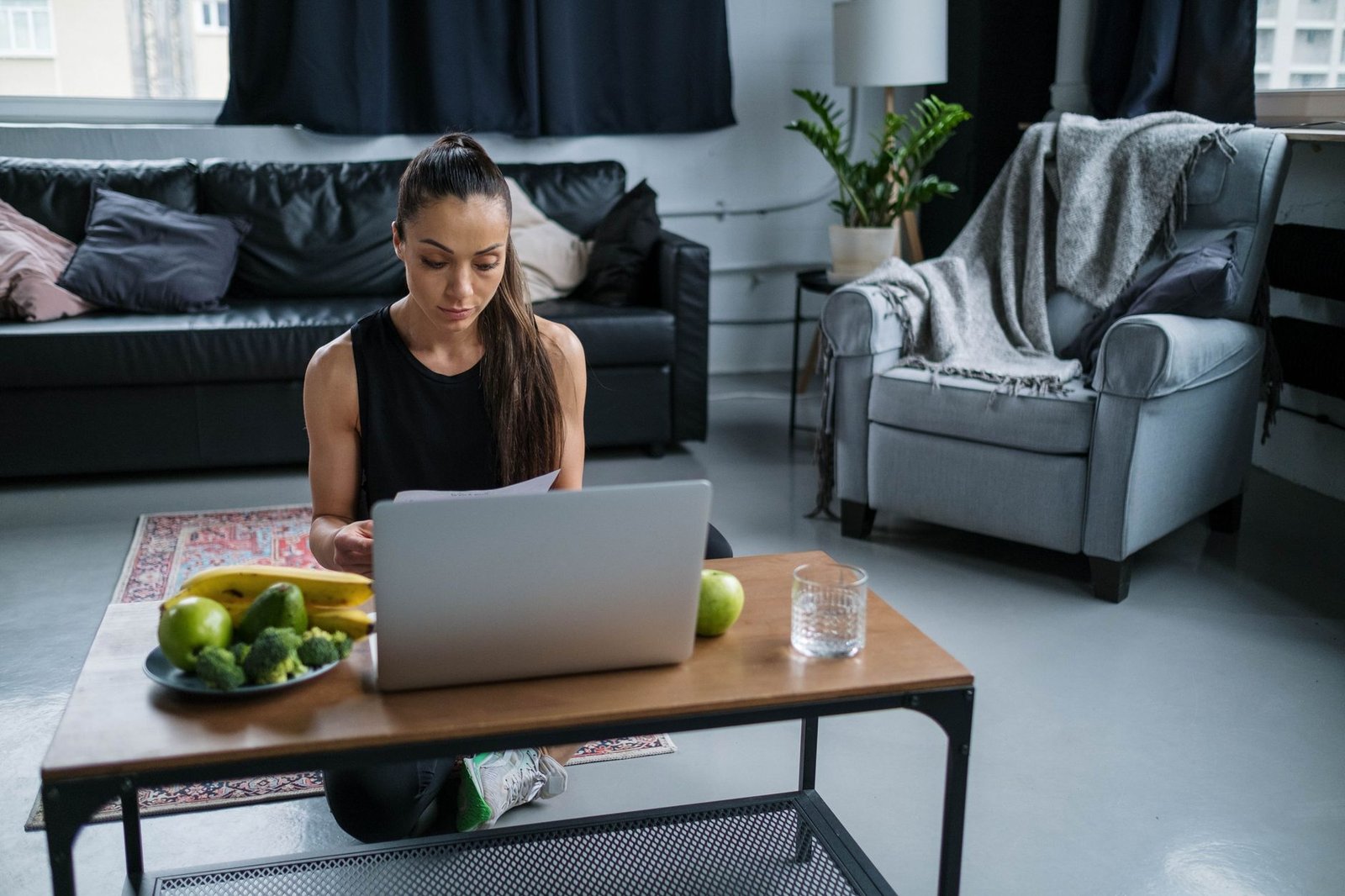
Working remotely offers unmatched flexibility, yet it frequently blurs the boundaries separating professional obligations from personal well-being. Without the natural transitions built into a traditional office commute, remote professionals often find themselves tethered to their desks for hours on end, leading to physical strain, mental fatigue, and burnout. Adopting intentional daily routines is essential for maintaining physical vitality and psychological clarity in a home office environment. This guide explores evidence-based strategies designed to help remote workers cultivate sustainable wellness practices.
Designing a Dedicated Workspace for Ergonomic Health
Physical well-being begins with the immediate environment. Dining room tables and couches are rarely built for eight-hour workdays, resulting in slouching, lower back pain, and repetitive strain injuries. Establishing a designated workspace equipped with proper ergonomics significantly reduces physical discomfort. A chair with adequate lumbar support, a desk positioned at elbow height, and a monitor aligned with eye level create a physical foundation that protects the musculoskeletal system.
Beyond furniture selection, posture requires conscious management throughout the day. Occupational health guidelines from the Occupational Safety and Health Administration emphasize the importance of neutral body positions. Taking micro-breaks every thirty minutes to stand, stretch, and reset posture prevents muscle stiffness. Integrating a sit-stand desk converter allows workers to alternate between sitting and standing, promoting better circulation and reducing the sedentary risks associated with remote employment.
Structuring Time and Establishing Boundaries
The absence of a physical separation between home and office often translates into extended working hours and diminished productivity. Establishing rigid chronological boundaries protects personal time and prevents occupational exhaustion. Starting and ending the workday at consistent times signals to the brain that professional tasks are active or concluded, mirroring the psychological closure traditionally provided by a commute.
Time management frameworks, such as the Pomodoro Technique, help maintain focus while enforcing regular breaks. Working in focused twenty-five-minute blocks followed by a five-minute rest encourages deep concentration without overwhelming cognitive capacity. Research published in journals tracked by the National Institutes of Health demonstrates that structured pacing mitigates mental fatigue and sustains high-level output over prolonged periods.
Optimizing Nutrition and Hydration at Home
Proximity to the kitchen is a double-edged sword for remote workers. While it provides access to fresh food, it also increases the temptation of grazing on processed snacks throughout the day. Intentional meal planning prevents erratic blood sugar levels and maintains steady cognitive energy. Stocking the pantry with nutrient-dense foods, such as nuts, fresh fruits, vegetables, and whole grains, supports metabolic health and stabilizes concentration.
Hydration plays an equally critical role in cognitive performance. Mild dehydration often manifests as fatigue, headaches, and brain fog, symptoms frequently misattributed to overwork. Keeping a dedicated water bottle on the desk acts as a visual cue to drink fluids consistently. Nutritional frameworks provided by the Academy of Nutrition and Dietetics highlight the importance of balancing macronutrients during midday meals to avoid post-lunch lethargy and maintain sustained vitality.
Physical Activity and Movement Integration
A sedentary lifestyle is one of the most significant health hazards of remote work. Physical inactivity contributes to cardiovascular issues, weight gain, and diminished mental health. Incorporating deliberate movement into the daily schedule counteracts these risks. Morning exercise routines, whether through cardiovascular training, yoga, or strength conditioning, elevate heart rates and prime the body for the day ahead.
Movement should not be confined to dedicated workout sessions. Integrating physical activity into everyday tasks—such as pacing during phone calls, performing bodyweight squats while waiting for documents to load, or taking a brisk walk during the lunch hour—accumulates significant health benefits. The World Health Organization recommends at least 150 minutes of moderate-intensity physical activity weekly, a target easily achieved by breaking movement into manageable, daily intervals.
Mental Health and Social Connection
Isolation is a subtle yet pervasive challenge for remote workers. The lack of spontaneous social interactions, such as hallway conversations or collaborative coffee breaks, can lead to feelings of loneliness and detachment. Proactively scheduling virtual coffee catch-ups with colleagues or participating in community groups fosters a sense of belonging and psychological support.
Mental resilience also requires intentional disconnection. Turning off work notifications on personal devices outside of designated hours prevents the constant intrusion of professional stress into domestic life. Mindfulness practices, meditation, and journaling help process daily pressures and reduce anxiety. Resources from the American Psychological Association offer valuable insights into managing workplace stress and maintaining emotional equilibrium in isolated environments.
Comparing Traditional Office Routines and Remote Wellness Strategies
| Wellness Dimension | Traditional Office Approach | Remote Work Adaptation |
|---|---|---|
| Physical Movement | Built-in walking during commutes and office navigation | Intentional walking breaks and ergonomic workspace design |
| Time Management | Fixed arrival and departure hours with structured meetings | Self-regulated chronological boundaries and time-blocking |
| Nutritional Habits | Cafeteria access or packed meals eaten away from desk | Meal prepping and stocking whole foods away from the workstation |
| Social Engagement | Spontaneous peer interactions and face-to-face collaboration | Scheduled virtual check-ins and community participation |
| Mental Transition | Physical commute acting as a psychological boundary | End-of-day shutdown rituals and digital disconnection |
Frequently Asked Questions
How can remote workers prevent eye strain during long computer sessions?
Eye strain can be minimized by following the 20-20-20 rule: every twenty minutes, look at an object twenty feet away for at least twenty seconds. Adjusting screen brightness, reducing glare, and ensuring adequate ambient lighting also protect visual comfort.
What is the best way to separate work life from personal life in a small living space?
Even in compact homes, creating a micro-zone dedicated exclusively to work helps establish boundaries. Packing away work equipment at the end of the day signals a transition into personal time, preventing the workspace from dominating the living environment.
How much water should a remote worker consume daily?
While individual hydration needs vary based on body size, climate, and activity level, health authorities generally recommend consuming approximately eight glasses of fluids daily, with water being the primary source of hydration.
Are standing desks truly effective for remote workers?
Standing desks promote movement and reduce prolonged sitting risks, but standing for excessive periods can cause foot fatigue and lower back strain. The key is alternating between sitting and standing throughout the day.
How can motivation be sustained when working alone for extended periods?
Setting clear daily objectives, breaking large projects into smaller tasks, and maintaining a regular routine help sustain drive. Engaging with professional networks and setting up virtual accountability partnerships also boost engagement.
Conclusion
Cultivating sustainable healthy habits for people who work from home requires deliberate planning, discipline, and regular self-assessment. By prioritizing ergonomic setups, establishing rigid professional boundaries, fueling the body with nutritious foods, integrating consistent physical movement, and safeguarding mental well-being, remote professionals can thrive both personally and professionally. Building these practices into daily life transforms the home office from a potential source of burnout into an environment that supports long-term vitality, productivity, and overall life satisfaction.
Featured Image Credit: Generated/Sourced via Unsplash.
Disclaimer: This article is AI-generated for informational and educational purposes. While we strive to provide high-quality context and authority, the content should not be used as professional advice. The author/website assumes no liability for external links or factual omissions.