
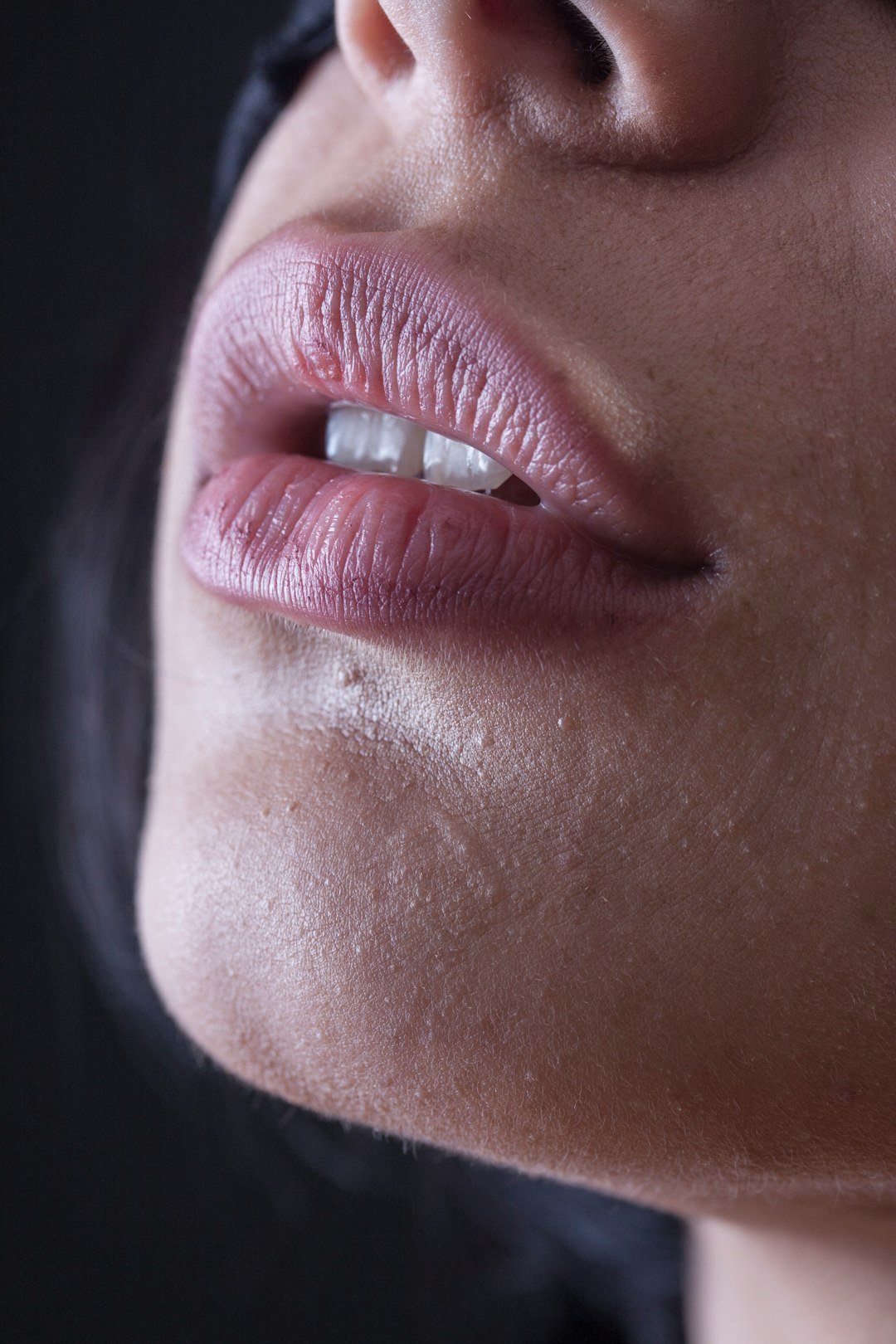
The changing seasons often bring a familiar, uncomfortable sensation: the tight, stinging pull of dehydrated skin across the mouth. Unlike the rest of the body, the skin covering the lips lacks oil glands and sweat glands, leaving it completely defenseless against wind, cold air, and indoor heating. Without a natural lipid barrier to trap moisture, dehydration sets in rapidly, leading to flaking, cracking, and painful splitting. Addressing this discomfort does not require expensive commercial products laden with artificial fragrances and synthetic waxes. Instead, turning to simple home remedies for dry lips and chapped lips naturally offers a gentle, nourishing path to recovery. Dermatological research consistently emphasizes that barrier repair relies on humectants that draw moisture inward and occlusals that seal it in place. By understanding the underlying biology of lip tissue and utilizing pantry staples, restoring long-lasting softness becomes an achievable daily practice.
The Biological Anatomy of Fragile Lip Tissue
The vermillion border, which marks the transition from facial skin to the lips, consists of extremely thin cellular layers. Because this area contains very few melanocytes and virtually no sebaceous glands, it cannot produce its own sebum to protect against environmental evaporation. Clinical observations show that low humidity and frequent exposure to saliva accelerate moisture loss. When people lick their lips, digestive enzymes in the saliva strip away what little protective barrier remains, causing rapid dryness. Medical studies published in dermatological journals indicate that chronic lip licking is a primary trigger for actinic cheilitis and irritant contact dermatitis. Recognizing this vulnerability highlights the necessity of providing external nourishment through botanical oils and butters that mimic natural lipid structures.
Optimal Botanical Oils for Deep Hydration
Plant-based lipids penetrate the microscopic crevices of damaged skin, delivering essential fatty acids that accelerate cellular repair. Extra virgin olive oil serves as an accessible emollient rich in squalene and oleic acid, both of which soften rigid keratin layers. Applying a thin layer of olive oil before bedtime allows the active compounds to condition the tissue overnight without clogging pores. Similarly, unrefined coconut oil contains high concentrations of lauric acid, offering antimicrobial properties that protect vulnerable cracks from secondary bacterial infections.
- Olive Oil: Delivers squalene to soften rough texture and restore flexibility.
- Coconut Oil: Provides lauric acid to shield vulnerable micro-fissures from environmental pathogens.
- Almond Oil: Offers vitamin E nourishment to soothe inflammation caused by windburn.
Natural Humectants and Occlusives from the Kitchen
Effective moisture management requires a two-step approach: attracting water to the skin cells and sealing it there. Raw honey acts as a powerful humectant, drawing ambient moisture into the outer layers of the lips while providing mild antibacterial benefits. Combining raw honey with organic beeswax creates a balanced compound where the humectant draws hydration and the wax forms a protective shield against moisture escape. Clinical evaluations of plant waxes show that they successfully mimic the occlusive properties of petroleum jelly while allowing the skin to breathe.
+--------------------+-----------------------+------------------------------------------+
| Ingredient Type    | Primary Function      | Best Suited For                          |
+--------------------+-----------------------+------------------------------------------+
| Raw Honey          | Humectant (Draws H2O) | Flaky, dehydrated surface layers         |
| Beeswax            | Occlusive (Seals H2O) | Wind-chapped and split skin protection   |
| Shea Butter        | Emollient (Softens)   | Deep structural conditioning             |
+--------------------+-----------------------+------------------------------------------+
Gentle Exfoliation Techniques for Flaky Skin
Accumulated dead skin cells create a physical barrier that prevents topical treatments from penetrating effectively. However, aggressive scrubbing with abrasive materials deepens cracks and causes bleeding. Gentle exfoliation involves softening the keratin buildup first and using fine-grain organic substances to buff away debris safely. Fine brown sugar mixed with a few drops of cold-pressed jojoba oil provides a mild physical scrub. Massaging this mixture onto the mouth in circular motions for thirty seconds encourages cellular turnover without causing micro-tears. Following this step immediately with a restorative balm locks in hydration while the tissue is receptive.
Dietary and Lifestyle Adjustments for Sustainable Healing
Topical treatments only provide temporary relief if systemic hydration remains neglected. Clinical nutrition studies confirm that chronic systemic dehydration directly impacts mucosal membranes throughout the body, including the lips. Consuming adequate water and incorporating omega-3 fatty acids from walnuts, flaxseeds, and fatty fish supports cellular membrane integrity from the inside out. Furthermore, environmental modifications such as using a cool-mist humidifier in living and sleeping spaces prevent indoor heating systems from pulling ambient moisture away from the skin.
Frequently Asked Questions
How often should natural balms be applied to chapped lips?
Applying a protective botanical balm four to six times daily, as well as an intensive treatment before sleep, maintains a consistent moisture barrier. Over-application is not harmful when using pure, food-grade ingredients.
Does drinking more water instantly cure dry lips?
Systemic hydration is crucial for overall skin health, but it must be paired with topical occlusals. Drinking water prevents internal dehydration, while topical balms prevent evaporation from the surface skin.
Is petroleum jelly safe to use compared to natural alternatives?
Petroleum jelly is an effective occlusive that seals moisture, but it does not provide nutrients. Plant-based oils and butters offer both sealing properties and essential vitamins that actively nourish damaged tissue.
Can toothpaste ingredients cause chronic lip dryness?
Certain foaming agents, particularly sodium lauryl sulfate, and artificial mint flavorings in commercial toothpastes frequently irritate sensitive lip tissue, leading to persistent peeling.
Conclusion
Maintaining smooth, healthy lips requires an understanding of how environmental stressors and biological limitations interact. Because the skin in this area lacks protective sebaceous glands, proactive care involving humectants, emollients, and occlusals is essential. Utilizing home remedies for dry lips and chapped lips naturally provides a sustainable, chemical-free method to restore comfort and prevent future damage. By combining botanical oils, gentle exfoliation, and proper hydration habits, individuals can achieve lasting relief and protect their skin against harsh elements throughout the year.
Featured Image Credit: Generated/Sourced via Unsplash.
Disclaimer: This article is AI-generated for informational and educational purposes. While we strive to provide high-quality context and authority, the content should not be used as professional advice. The author/website assumes no liability for external links or factual omissions.