

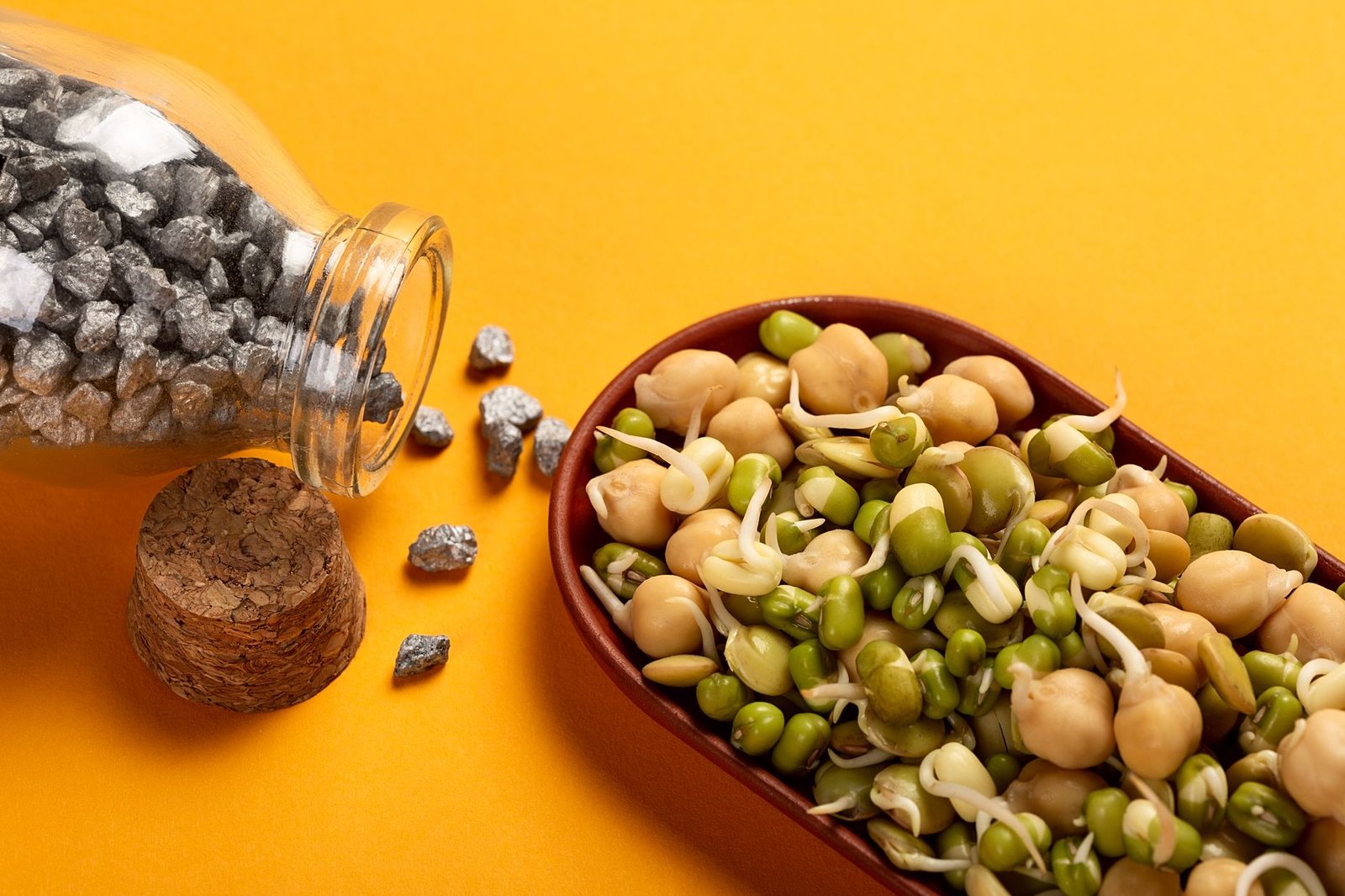
Best Sources of Prebiotic Fiber in Everyday Foods
The human digestive system relies on a complex network of microorganisms known as the gut microbiome. Maintaining a balanced microbiome requires more than just consuming live bacteria found in fermented items; it requires nourishment for those beneficial microbes. This nourishment comes primarily from non-digestible carbohydrates, commonly referred to as prebiotics. Incorporating the best sources of prebiotic fiber in everyday foods into daily meals offers a practical approach to supporting long-term gastrointestinal wellness without relying heavily on synthetic supplements.
Understanding Prebiotic Fiber and Its Role in Human Health
Prebiotics function differently than standard dietary fiber. While standard fiber passes through the digestive tract largely intact to add bulk to stool, prebiotics specifically serve as fuel for beneficial bacteria residing in the colon, such as Bifidobacteria and Lactobacilli. When these microbes ferment prebiotic fibers, they produce short-chain fatty acids, including acetate, propionate, and butyrate. According to findings published by the National Institutes of Health, short-chain fatty acids play a critical role in maintaining the integrity of the intestinal barrier, modulating immune function, and regulating metabolic processes.
Research highlighted by the World Health Organization emphasizes that adequate dietary fiber intake correlates with a reduced risk of various chronic conditions, including cardiovascular disease and type 2 diabetes. Prebiotics represent a specific subset of these fibers that selectively stimulate the growth of health-promoting bacteria. Clinical studies indexed in the PubMed Central database demonstrate that consistent consumption of prebiotic-rich ingredients can significantly alter the composition of the gut microbiota, leading to improved nutrient absorption and enhanced systemic well-being.
Top Everyday Vegetables Rich in Prebiotics
Vegetables provide some of the most accessible and nutrient-dense options for increasing prebiotic intake. Among these, the Allium family stands out prominently. Garlic, onions, and leeks contain high concentrations of inulin and fructooligosaccharides, which are potent prebiotic compounds. Raw garlic, for instance, contains significant amounts of fructans that nourish beneficial gut bacteria effectively. Cooking garlic can alter its chemical structure slightly, but it remains a valuable component of a gut-healthy diet.
Root vegetables and leafy greens also contribute substantially to daily prebiotic goals. Jerusalem artichokes, often referred to as sunchokes, rank among the richest dietary sources of inulin available. Nutritional data from the U.S. Department of Agriculture indicates that a single serving of sunchokes supplies a substantial portion of the recommended daily intake for soluble fermentable fibers. Similarly, chicory root is frequently utilized as a coffee substitute or food additive due to its exceptionally high inulin content. Incorporating onions into savory dishes, adding leeks to soups, or roasting root vegetables provides a flavorful and efficient strategy for supporting microbial diversity.
Whole Grains and Legumes as Powerhouses of Soluble Fiber
Grains and legumes offer versatile ways to integrate fermentable carbohydrates into traditional meal patterns. Oats serve as an excellent everyday grain containing beta-glucan, a type of soluble fiber with well-documented prebiotic properties. Beta-glucan forms a viscous gel in the digestive tract, slowing digestion and providing a steady substrate for microbial fermentation in the lower gut. Observational data reviewed by the Harvard T.H. Chan School of Public Health links regular whole grain consumption with lower markers of systemic inflammation and improved metabolic markers.
Legumes, including lentils, chickpeas, and various types of beans, contain resistant starch and oligosaccharides that resist enzymatic breakdown in the small intestine. When these complex carbohydrates reach the large intestine, they undergo bacterial fermentation. The Mayo Clinic notes that introducing legumes gradually into the diet allows the digestive system to adapt, minimizing potential discomfort while maximizing the prebiotic benefits. Preparing dried beans from scratch or rinsing canned varieties thoroughly helps optimize digestibility while retaining their fiber content.
Fruits That Support Microbial Diversity
While vegetables and grains dominate discussions regarding fermentable carbohydrates, several fruits offer notable concentrations of prebiotic compounds. Bananas, particularly when they feature a slight greenish tint to their skin, contain high levels of resistant starch. As bananas ripen, starches convert into simple sugars, reducing their prebiotic potency. Therefore, consuming slightly firm bananas maximizes resistant starch intake.
Apples represent another everyday fruit rich in pectin, a complex polysaccharide that acts as a prebiotic. Pectin stimulates the proliferation of beneficial microbial strains while inhibiting the growth of less desirable bacteria in the gut. Findings shared by the American Heart Association suggest that regular fruit consumption supports endothelial function and metabolic health, partly due to the synergistic effects of fiber and antioxidant compounds. Integrating berries, citrus fruits, and stone fruits into breakfast bowls or consuming them as snacks provides a diversified spectrum of plant fibers.
Comparison of Common Prebiotic Food Sources
| Food Item | Primary Prebiotic Compound | Average Content per 100g | Culinary Application |
|---|---|---|---|
| Chicory Root | Inulin | 35g to 47g | Roasted and brewed as a beverage or used as a fiber additive |
| Jerusalem Artichoke | Inulin | 16g to 20g | Roasted, sliced raw in salads, or puréed into soups |
| Garlic | Fructans | 9g to 16g | Sautéed in cooking oil, roasted whole, or minced in dressings |
| Onions | Fructans and Inulin | 1g to 8g | Caramelized, diced in sauces, or used raw in salsas |
| Oats | Beta-Glucan | 4g to 8g | Cooked into porridge, ground into flour, or added to baked goods |
| Underripe Bananas | Resistant Starch | 3g to 5g | Eaten fresh, sliced into yogurt, or blended into smoothies |
Practical Strategies for Increasing Prebiotic Intake
Integrating these nutrient-dense options into a daily routine does not require drastic dietary overhauls. Gradual implementation prevents sudden gastrointestinal distress, such as bloating or excessive gas, which can occur when fiber intake increases too rapidly. Hydration plays an essential role in this process; as soluble fiber and resistant starches absorb water within the digestive tract, adequate water consumption ensures smooth motility and prevents transit delays.
Combining prebiotics with probiotics creates a synergistic environment often termed synbiosis. For instance, pairing sliced underripe bananas or fermented foods like yogurt with rolled oats provides both live cultures and the specific nourishment those cultures require to thrive. Meal planning centered around whole plant foods naturally increases dietary diversity, which clinical literature consistently links to a resilient and adaptable microbiome.
Frequently Asked Questions
What is the difference between probiotics and prebiotics?
Probiotics are live beneficial bacteria and yeasts found in fermented foods and specific supplements that actively populate the digestive tract. Prebiotics are non-digestible food ingredients, primarily complex carbohydrates and fibers, that serve as fuel for these beneficial microbes.
Can everyone consume high-prebiotic foods without issue?
Most individuals tolerate prebiotic fibers well when introduced gradually. However, individuals managing irritable bowel syndrome or specific gastrointestinal disorders may experience sensitivity to certain fermentable oligosaccharides, disaccharides, monosaccharides, and polyols. Consulting a qualified healthcare professional or registered dietitian helps tailor fiber intake to individual tolerance levels.
Does cooking destroy prebiotic fiber?
Cooking methods alter the chemical composition of certain foods, but they rarely destroy prebiotic fibers completely. While raw garlic and onions contain higher levels of specific fructans, cooking often breaks down cellular walls, making other forms of fiber more accessible for microbial fermentation.
How much prebiotic fiber is recommended daily?
Exact daily requirements vary based on age, sex, and overall health status. Nutrition guidelines generally recommend a total daily dietary fiber intake of 25 to 35 grams for adults, with a portion of that total coming from fermentable prebiotic sources.
Conclusion
Nurturing the gut microbiome through targeted dietary choices remains one of the most effective methods for supporting overall physiological health. By prioritizing the best sources of prebiotic fiber in everyday foods—such as garlic, onions, oats, legumes, and underripe bananas—individuals can foster a diverse and thriving microbial ecosystem. Emphasizing whole, minimally processed plant foods ensures a steady supply of essential nutrients, supporting digestive efficiency, immune resilience, and metabolic balance over the long term.
Featured Image Credit: Generated/Sourced via Unsplash.
Disclaimer: This article is AI-generated for informational and educational purposes. While we strive to provide high-quality context and authority, the content should not be used as professional advice. The author/website assumes no liability for external links or factual omissions.