

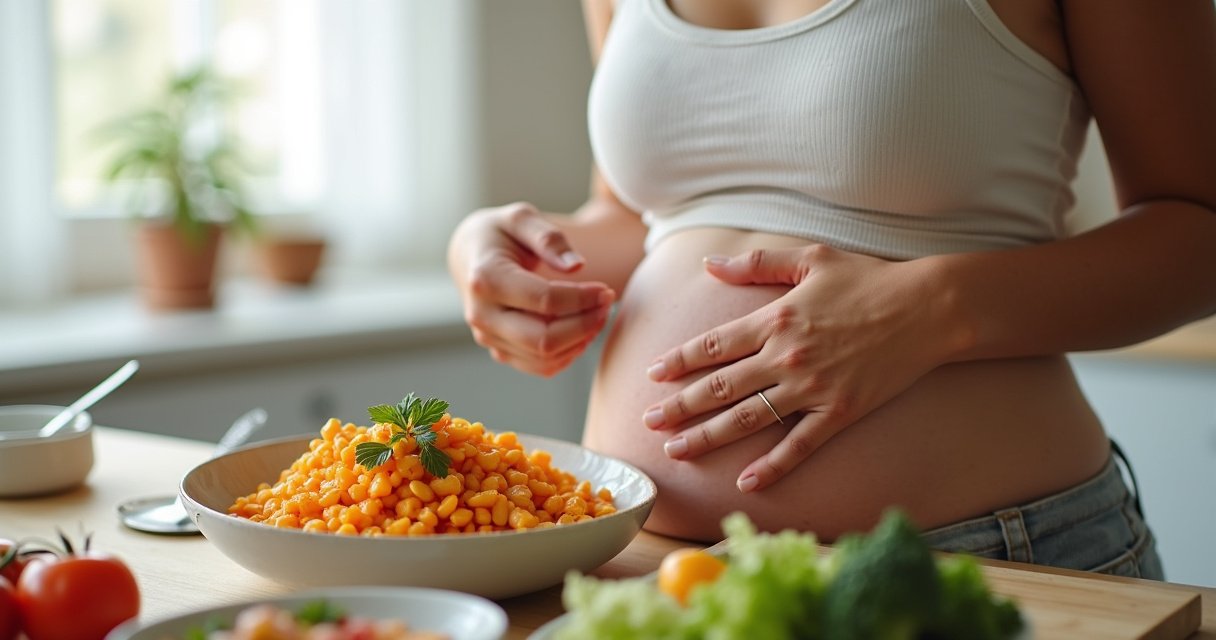
Post-meal abdominal distension is a widespread physiological response that frequently signals temporary digestive strain rather than a severe underlying medical condition. When the gastrointestinal tract struggles to process ingested food efficiently, excess gas accumulates within the loops of the small and large intestines, creating a tight, swollen sensation in the abdominal cavity. Clinical observations documented by the National Institute of Diabetes and Digestive and Kidney Diseases indicate that postprandial bloating often correlates with the rate of gastric emptying, swallowed air aerophagia during rapid eating, or the fermentation of specific carbohydrates by resident colonic microbiota. Addressing this physical discomfort requires a targeted approach that supports upper and lower digestive efficiency without immediately resorting to pharmaceutical interventions.
Understanding the Physiological Causes of Post-Meal Bloating
The biological mechanisms driving post-meal distension involve complex interactions between mechanical gastric stretching, visceral hypersensitivity, and biochemical processes within the gut. As food enters the stomach, smooth muscle walls stretch to accommodate the volume, triggering neural signals via the enteric nervous system. According to research published by the Mayo Clinic, when digestion slows down—a condition medically referred to as gastroparesis or functional dyspepsia—food remains in the stomach longer than normal, promoting fermentation and gas production by local bacteria. Additionally, individuals with visceral hypersensitivity perceive normal physiological processes, such as routine gas transit or mild intestinal expansion, as intense pressure or pain. Understanding these root causes helps shift the focus from merely masking symptoms to adopting structural dietary and behavioral adjustments that optimize overall digestive transit.
Herbal Infusions and Carminative Teas for Immediate Relief
Incorporating specific herbal preparations into a post-meal routine serves as one of the most accessible and historically validated methods for managing digestive gas. Carminative herbs contain volatile essential oils that relax the smooth muscle tissue of the gastrointestinal tract, facilitating the release of trapped air and reducing smooth muscle spasms. Peppermint tea, rich in menthol, acts as a natural calcium channel blocker in the intestinal smooth muscle, a mechanism supported by reviews from the National Center for Complementary and Integrative Health. Ginger root tea stimulates the secretion of saliva, gastric juice, and bile, which accelerates gastric emptying and reduces the likelihood of food stagnating in the upper GI tract. Chamomile and fennel seed infusions offer similar anti-inflammatory and antispasmodic benefits, gently soothing the mucosal lining of the stomach after a heavy meal.
Dietary Adjustments and Mindful Eating Practices
Beyond immediate herbal interventions, the manner in which food is consumed plays a critical role in preventing postprandial gas accumulation. Eating rapidly introduces significant amounts of atmospheric air into the esophagus and stomach, a primary driver of functional bloating. Clinical guidance from the Harvard T.H. Chan School of Public Health emphasizes the importance of thorough mastication, which mechanically breaks down food particles and mixes them with ptyalin-rich saliva, easing the subsequent workload on the stomach and small intestine. Furthermore, evaluating meal composition for hard-to-digest short-chain carbohydrates, commonly known as FODMAPs, helps prevent excessive bacterial fermentation in the colon. Moderating portion sizes and spacing meals evenly throughout the day prevents overwhelming the enzymatic capacity of the digestive tract.
Comparative Analysis of Common Post-Meal Relief Strategies
| Strategy | Mechanism of Action | Onset of Effect | Best Suited For |
|---|---|---|---|
| Peppermint Tea | Relaxes intestinal smooth muscle via menthol | 15 to 30 minutes | Spasmodic cramping and trapped gas |
| Ginger Root Infusion | Stimulates gastric motility and digestive enzymes | 20 to 40 minutes | Slow digestion and heavy stomach feeling |
| Gentle Post-Meal Walk | Mechanical stimulation of peristalsis via gravity | Immediate | General postprandial fullness and sluggishness |
| Fennel Seed Chewing | Carminative reduction of gas bubbles | 10 to 20 minutes | Mild upper abdominal distension |
Physical Movement and Lifestyle Modifications
Integrating light physical activity immediately following a meal provides a mechanical advantage for gastrointestinal function. Clinical physiology studies tracked by the Cleveland Clinic demonstrate that engaging in a gentle, low-intensity walk for fifteen to twenty minutes stimulates peristalsis—the wave-like muscle contractions that propel food and gas through the digestive tract. This physical motion prevents gas from becoming trapped at intestinal flexures. Conversely, reclining horizontally immediately after eating encourages gastric reflux and delays gastric emptying, exacerbating feelings of fullness. Establishing a routine of upright posture and light ambulation post-meal supports the body’s natural gravitational and mechanical processes for efficient digestion.
Frequently Asked Questions About Post-Meal Bloating
How long after eating is it normal to experience mild bloating?
Mild fullness can occur immediately after a large meal as the stomach expands. However, noticeable distension or discomfort should subside within one to two hours as gastric emptying progresses. Persistent bloating lasting many hours suggests slower digestive transit.
Can drinking water with meals worsen abdominal distension?
For most individuals, moderate water consumption during meals does not impair digestion or increase bloating. Clinical data from the World Gastroenterology Organisation indicates that gastric secretions far outweigh the volume of typical beverage intake during eating, though excessive carbonated beverage consumption can introduce extra gas.
Are certain healthy foods more likely to cause gas than others?
Nutrient-dense foods high in fermentable fibers, such as cruciferous vegetables, beans, and whole grains, frequently produce gas because human enzymes cannot break them down entirely, leaving them for bacterial fermentation in the large intestine.
When should post-meal bloating prompt a medical evaluation?
Medical consultation is warranted if bloating is accompanied by alarming red flags such as unintended weight loss, persistent fever, severe abdominal pain, blood in the stool, or sudden changes in bowel habits that do not resolve with dietary modifications.
Conclusion
Managing post-meal abdominal distension requires a balanced understanding of gastrointestinal physiology, mindful eating habits, and the targeted use of natural carminative agents. By implementing evidence-based strategies—such as consuming soothing herbal teas, engaging in light physical activity after eating, and identifying personal food sensitivities—individuals can significantly reduce discomfort and support long-term digestive health. Consistent adherence to these practices fosters a resilient digestive system capable of processing meals efficiently and comfortably.
Featured Image Credit: Generated/Sourced via Runware.ai.
Disclaimer: This article is AI-generated for informational and educational purposes. While we strive to provide high-quality context and authority, the content should not be used as professional advice. The author/website assumes no liability for external links or factual omissions.