

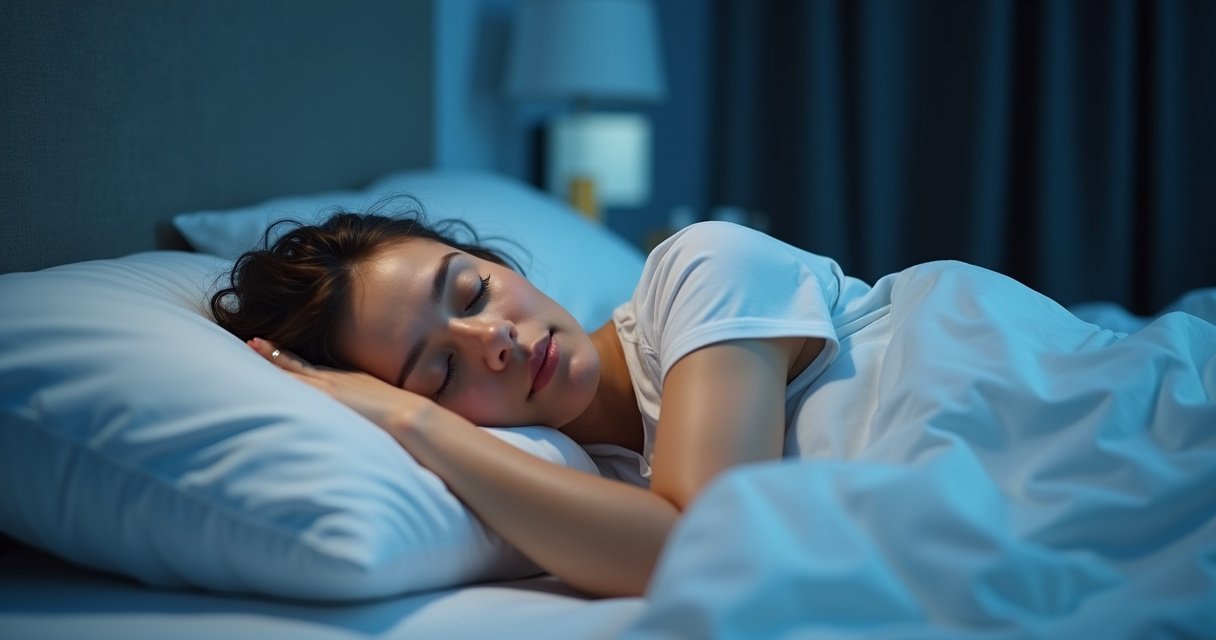
Modern life places immense demands on human attention, often forcing rest to the bottom of the daily priority list. Millions of individuals struggle nightly, tossing and turning while watching the digital clock march closer to morning. Yet, achieving deep, restorative slumber does not require pharmaceutical intervention for the vast majority of the population. Understanding how to improve sleep quality naturally relies on honoring biological design, regulating internal pacemakers, and removing environmental friction that disrupts physiological repair mechanisms.
Understanding the Human Circadian Rhythm
Every living mammal operates under the governance of an internal biological clock known as the circadian rhythm. This approximately 24-hour cycle is managed by the suprachiasmatic nucleus located within the hypothalamus of the brain. When natural light hits retinal photoreceptors early in the day, chemical signals suppress melatonin production and elevate cortisol and body temperature, promoting alertness.
Disruptions to this delicate feedback loop often stem from modern indoor lifestyles. Office workers and remote professionals alike spend daylight hours under dim artificial bulbs rather than direct sunlight. Correcting this pattern requires intentional exposure to unfiltered morning light within the first hour of waking. Stepping outside for a brief walk triggers the neurological signals necessary to anchor the internal clock, ensuring that sleepy hormones like melatonin surge predictably after sunset.
Environmental Optimization for Deep Rest
The physical bedroom environment acts as a primary determinant of nighttime physiological restoration. Sensory inputs dictate whether the nervous system transitions safely into parasympathetic dominance, the “rest and digest” state essential for cellular repair.
Temperature plays a surprisingly powerful role in nocturnal physiology. Core body temperature must drop by approximately two degrees Fahrenheit to initiate and maintain deep sleep phases. Keeping bedroom thermostats set between 60 and 67 degrees Fahrenheit facilitates this thermal drop. Furthermore, absolute darkness triggers optimal pineal gland activation. Even small ambient lights from electronic charging docks emit enough blue-spectrum light to trick the brain into halting melatonin synthesis. Implementing blackout shades and removing all LED indicators creates a sensory deprivation chamber conducive to uninterrupted rest.
Nutritional Adjustments and Evening Dietary Habits
Dietary choices made hours before bedtime exert a profound influence on sleep architecture. While heavy meals force the gastrointestinal tract to work overtime during hours meant for tissue repair, specific nutrients actively support neurotransmitter balance.
Magnesium acts as a vital cofactor in over three hundred enzymatic reactions, including the regulation of gamma-aminobutyric acid, a neurotransmitter that quiets central nervous system activity. Consuming magnesium-rich foods such as pumpkin seeds, leafy greens, and almonds supports nervous system relaxation. Conversely, stimulants like caffeine possess a half-life of up to six hours, meaning a mid-afternoon espresso still circulates in the bloodstream at bedtime, blocking adenosine receptors and preventing the accumulation of sleep pressure.
| Nutritional Factor | Optimal Timing | Physiological Impact on Sleep |
|---|---|---|
| Caffeine | Cut off 10 hours before bed | Blocks adenosine receptors, preventing natural drowsiness buildup. |
| Alcohol | Avoid within 4 hours of sleep | Disrupts rapid eye movement (REM) sleep and causes middle-of-the-night awakenings. |
| Magnesium-Rich Foods | Dinner or evening snack | Enhances GABA receptor activity to calm nervous system excitability. |
| Complex Carbohydrates | Evening meal | Facilitates tryptophan entry into the brain for serotonin synthesis. |
Movement, Exercise, and Physical Fatigue
Physical exertion serves as a powerful regulator of nocturnal recovery depth. Engaging in cardiovascular resistance training or aerobic activity burns metabolic byproducts and increases adenosine accumulation throughout the day. This biochemical pressure builds steadily from the moment of waking, ultimately driving the urge for deep slow-wave sleep.
Timing remains a critical variable in exercise prescription. Strenuous workouts performed too close to bedtime elevate core body temperature and spike stress hormones, delaying sleep onset. Completing vigorous exercise at least three hours before retiring allows core temperature to rebound and drop safely. Morning and afternoon movement sessions yield the most robust improvements in sleep efficiency metrics.
Cognitive Wind-Down Practices and Stress Management
Ruminative thinking and unresolved cognitive arousal represent frequent barriers to restorative rest. When the prefrontal cortex remains active with planning and problem-solving, the autonomic nervous system stays locked in sympathetic dominance, characterized by elevated heart rate variability and rapid breathing.
Establishing a structured transition period bridges the gap between active daytime responsibilities and nocturnal recovery. Activities that lower physiological arousal include reading physical books, journaling to offload tomorrow’s task lists, and practicing controlled diaphragmatic breathing. Activating the vagus nerve through slow, rhythmic breathing signals safety to the brain, halting the production of stress hormones and allowing physiological systems to unwind naturally.
Frequently Asked Questions
How long does it take to reset a disrupted circadian rhythm?
Biological clocks typically adjust at a rate of approximately one hour per day. Consistently waking at the same time every morning, regardless of sleep duration the night before, accelerates this recalibration process by reinforcing the morning light anchor.
Are daytime naps beneficial or harmful to nighttime sleep quality?
Short power naps lasting between 15 to 20 minutes can enhance alertness without interfering with nighttime sleep pressure. However, longer naps or sleeping late in the afternoon consume accumulated adenosine, making it difficult to fall asleep at the desired bedtime.
Does room temperature truly impact sleep stages?
Yes. Environmental heat prevents the natural drop in core body temperature required to enter slow-wave and rapid eye movement sleep, leading to frequent micro-awakenings that compromise overall rest quality.
What is the role of blue light blocking glasses in sleep hygiene?
Blue light blocking lenses filter out short-wavelength light emitted by smartphones, computers, and LED fixtures during the evening hours, protecting natural melatonin production from artificial suppression.
Conclusion
Mastering how to improve sleep quality naturally requires a holistic commitment to biological alignment rather than quick fixes. By honoring the circadian rhythm with proper morning light, optimizing the bedroom into a cool and dark sanctuary, aligning nutritional intake with hormonal needs, engaging in regular physical movement, and intentionally winding down cognitive activity, individuals can restore their innate capacity for deep, restorative slumber. Prioritizing these foundational habits transforms nocturnal rest from a nightly struggle into a reliable engine of long-term health and vitality.
Featured Image Credit: Generated/Sourced via Runware.ai.
Disclaimer: This article is AI-generated for informational and educational purposes. While we strive to provide high-quality context and authority, the content should not be used as professional advice. The author/website assumes no liability for external links or factual omissions.