

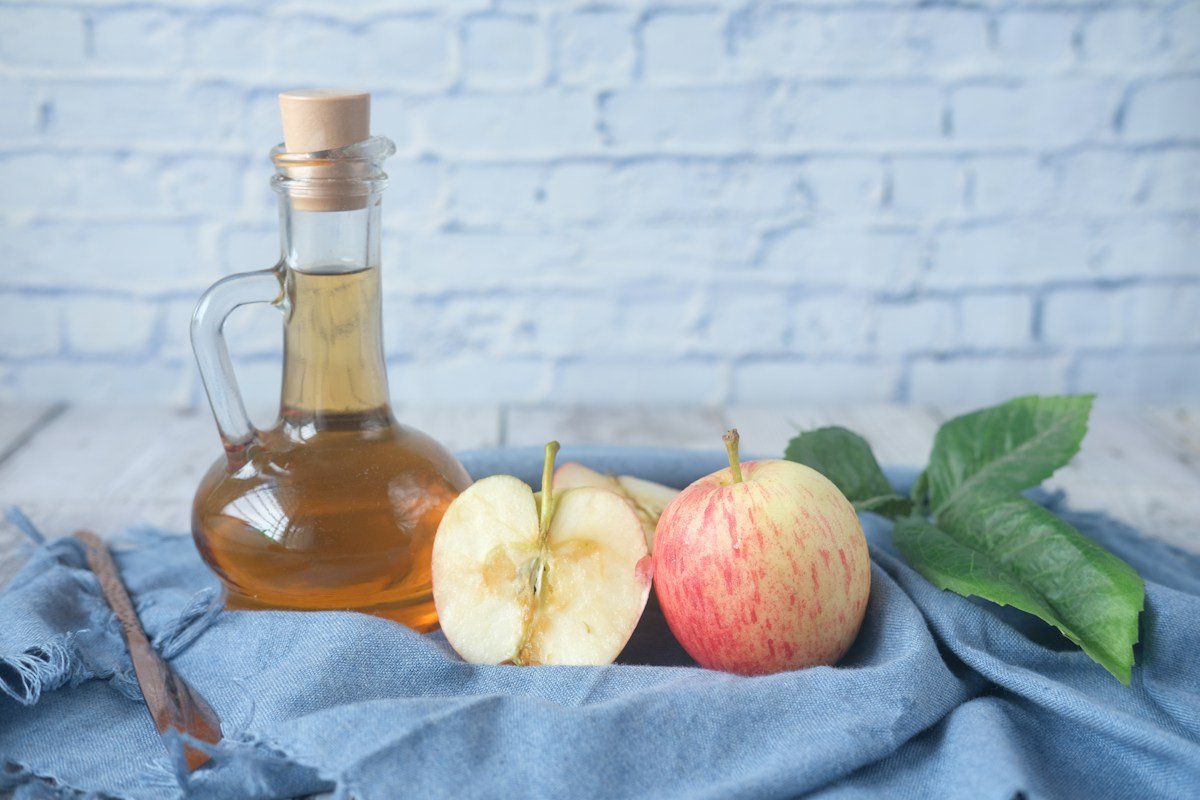
Apple cider vinegar (ACV) occupies a fascinating and contested place in contemporary health culture. It is simultaneously one of the most ancient fermented foods in human history and one of the most aggressively marketed wellness products of the digital age, with claims ranging from well-supported to wildly exaggerated appearing across the same wellness platforms. Cutting through the marketing to understand what science actually supports about ACV, what remains speculative, and how to use it safely and appropriately requires engagement with the actual research literature rather than testimonials.
Apple cider vinegar is produced through a two-stage fermentation process. First, the sugars in apple juice are fermented by yeast to produce hard cider. In the second stage, acetic acid bacteria (Acetobacter species) convert the ethanol in the cider to acetic acid, creating vinegar. The result is a product containing approximately 5 to 6 percent acetic acid, along with small amounts of malic acid, lactic acid, citric acid, and various organic compounds from the apple substrate and fermentation process.
Unfiltered, unpasteurized ACV with the “mother” contains strands of proteins, enzymes, and beneficial bacteria from the fermentation process that are removed in filtered, pasteurized versions. The mother represents an essentially probiotic-like component, though the specific bacterial strains and their concentrations have not been as rigorously characterized as those in dedicated probiotic products.
Blood Sugar Management: The Most Evidence-Supported Application
ACV’s effects on blood sugar and insulin response represent its best-supported clinical application, with multiple human clinical trials demonstrating meaningful effects. The primary mechanism appears to involve acetic acid’s inhibition of starch digestion enzymes (particularly alpha-amylase) and delayed gastric emptying, which together reduce the rate of glucose absorption from carbohydrate-containing meals, blunting the post-meal blood glucose rise.
A 2004 study in Diabetes Care found that consuming 20 grams of ACV (approximately 4 teaspoons) diluted in water before a high-carbohydrate meal reduced post-meal blood glucose by 34 percent in individuals with insulin resistance and by 19 percent in individuals with type 2 diabetes, compared to a placebo vinegar preparation. A meta-analysis of 9 clinical trials published in Diabetes Research and Clinical Practice in 2018 confirmed that ACV consumption produced a statistically significant reduction in fasting blood glucose and HbA1c (a measure of average blood sugar over the previous 3 months) across diverse populations.
These findings have clear practical relevance, particularly for individuals managing pre-diabetes, insulin resistance, or type 2 diabetes alongside appropriate medical care. However, the research also consistently shows that ACV is an adjunctive approach with relatively modest blood sugar effects that complement rather than replace evidence-based medical management of diabetes. Individuals on blood sugar lowering medications should be aware that ACV’s additive effects on blood sugar could create hypoglycemia risk if medications are not appropriately adjusted, making healthcare provider communication important when implementing ACV use alongside diabetic medications.
Antimicrobial Properties: Evidence and Applications
Acetic acid has well-documented antimicrobial properties that represent one of the most scientifically grounded aspects of ACV’s effects. Acetic acid at the concentrations present in vinegar demonstrates inhibitory activity against a range of bacterial species including Escherichia coli, Salmonella typhimurium, and Staphylococcus aureus in laboratory settings. This antimicrobial activity forms the rational basis for ACV’s traditional use as a food preservative and disinfectant, applications that predate modern understanding of microbiology.
For topical applications including diluted ACV for skin or scalp conditions, the antimicrobial effects of acetic acid provide theoretical support, though clinical evidence for specific conditions is limited. The skin’s naturally acidic pH (approximately 4.5 to 5.5) is important for maintaining the skin microbiome composition and barrier function, and diluted ACV’s acidic pH may complement the skin’s natural acidity when applied topically. However, too concentrated application can disrupt the skin barrier and cause irritation.
Weight Management: Modest and Preliminary Evidence
ACV’s potential role in weight management has attracted research attention. A 12-week Japanese randomized controlled trial in Bioscience, Biotechnology, and Biochemistry found that obese Japanese adults consuming 15 to 30 milliliters of ACV daily showed modest but statistically significant reductions in body weight (1.2 to 1.7 kg), BMI, visceral fat, and waist circumference compared to placebo, with the primary mechanism proposed as appetite suppression through delayed gastric emptying and acetate signaling.
While these findings are interesting, the effect sizes are modest and the study was conducted in a specific ethnic population. The effect of ACV on weight is best described as small and adjunctive rather than transformative, and it should be considered one component of a comprehensive dietary and lifestyle approach to weight management rather than a stand-alone intervention.
Safety and Proper Dilution: Critical Practical Guidance
Undiluted apple cider vinegar is one of the most commonly misused home remedies from a safety standpoint. Its acetic acid content at 5 to 6 percent is sufficient to cause erosion of tooth enamel with regular undiluted contact, chemical burns to esophageal tissue with frequent undiluted consumption, and skin irritation or chemical burns when applied undiluted topically for extended periods.
Proper dilution is essential and non-negotiable for safe ACV use. For internal consumption, 1 to 2 tablespoons (15 to 30 milliliters) diluted in at least 240 milliliters (one cup) of water is the standard research-derived dosage that provides study-supported benefits without the safety concerns of undiluted use. Consuming through a straw minimizes dental enamel contact, and rinsing the mouth with plain water after consumption further protects enamel. For topical skin use, diluting to 1 part ACV in 5 to 10 parts water is appropriate for initial use, with tolerance assessment before applying to larger areas or leaving on longer.
Apple Cider Vinegar Applications Comparative Evidence Matrix
This matrix evaluates the most common ACV applications by evidence level, appropriate use guidance, safety considerations, and realistic outcome expectations.
| Application | Evidence Level | Recommended Dilution | Expected Outcome | Safety Notes |
|---|---|---|---|---|
| Blood sugar reduction | Moderate-Strong (RCTs) | 1-2 tbsp in 240ml water | Modest post-meal glucose reduction | Monitor if on diabetic medications |
| Weight management | Limited-Moderate (1 RCT) | 1-2 tbsp in 240ml water | Very modest adjunctive benefit | Not a primary weight intervention |
| Antimicrobial (topical) | Laboratory evidence | 1:10 dilution for skin | Some antimicrobial effect | Dilute well, patch test |
| Scalp dandruff rinse | Anecdotal + mechanism | 1:5-10 dilution, rinse | Some individuals report improvement | Keep out of eyes, rinse thoroughly |
| Digestive comfort | Traditional + mechanism | 1 tbsp in water before meals | May reduce bloating for some | Avoid if GERD or esophageal issues |
| Cholesterol effects | Limited preliminary | Standard diluted dose | Possibly modest improvement | Not a replacement for medical care |
| Detoxification | No evidence (claim invalid) | N/A | Not supported by research | Liver/kidneys handle detoxification |
* Always dilute ACV before internal or topical use. Avoid in those with gastroparesis, esophageal conditions, or on relevant medications without healthcare provider guidance.
Frequently Asked Questions About Apple Cider Vinegar
How should I take ACV to get the blood sugar benefits?
For blood sugar benefits, the research-supported approach is consuming 15 to 30 milliliters (1 to 2 tablespoons) of ACV diluted in at least 240 milliliters of water, taken immediately before or during a carbohydrate-containing meal. The timing before or with the meal is important because the mechanism involves reducing the rate of glucose absorption from that specific meal. Daily consistent use over weeks to months shows the best effects on fasting blood sugar and HbA1c in research. This should complement medical management, not replace it.
Is ACV with mother better than regular ACV?
Unfiltered ACV with the mother contains the protein, enzyme, and bacterial content from the fermentation process that filtered ACV does not. While the mother is often attributed with additional health benefits in marketing contexts, most research showing ACV’s blood sugar and metabolic effects has not specifically compared mother-containing versus filtered ACV, and the acetic acid content responsible for the primary documented mechanisms is present in both. The mother adds probiotic-adjacent potential benefits that are biologically plausible but not yet rigorously characterized. Choosing ACV with mother is a reasonable preference but not proven to be strongly superior for most studied outcomes.
Can ACV damage tooth enamel?
Yes, undiluted or frequently consumed ACV without appropriate precautions can erode tooth enamel. Acetic acid at the concentrations in ACV is sufficiently acidic to dissolve mineral from enamel surfaces with repeated contact. Case reports of significant dental erosion from habitual undiluted ACV drinking have been published. The precautions that minimize this risk include always diluting ACV significantly before consumption, drinking diluted ACV through a straw to minimize tooth contact, rinsing the mouth with plain water after consumption, and not brushing teeth immediately after ACV consumption (wait 30 minutes) as the enamel is temporarily softened and more vulnerable to mechanical wear from brushing.
Can ACV help with heartburn and acid reflux?
The relationship between ACV and acid reflux is somewhat counterintuitive and debated. Some practitioners suggest that low stomach acid (hypochlorhydria) can cause symptoms similar to acid reflux by impairing proper digestion, and that acidic foods like ACV might support those with genuinely low stomach acid. However, for the much more common cause of reflux, which involves acid escaping from the stomach into the esophagus, adding more acid through ACV consumption would logically worsen rather than improve symptoms. Clinical evidence either way is limited. For individuals with diagnosed GERD or esophagitis, ACV should be avoided or used only with healthcare provider guidance.
Is ACV safe to use during pregnancy?
Small amounts of ACV in cooking and food preparation have been used during pregnancy without apparent issues. Unpasteurized ACV with mother should be approached with caution during pregnancy because unpasteurized products carry a risk of containing harmful bacteria (though this risk is significantly reduced by the acidity of vinegar). Therapeutic doses of ACV during pregnancy have not been adequately studied for safety, and the blood sugar effects could interact with normal pregnancy metabolic changes. Standard dietary use in cooking appears lower-risk than regular therapeutic consumption during pregnancy.
Can I apply ACV to my face for acne?
Diluted ACV has been used as a toner for acne-prone skin based on its antimicrobial and pH-balancing properties. However, the acidity that makes it potentially antimicrobial also makes it potentially irritating, particularly for sensitive skin or at insufficiently diluted concentrations. If attempting topical ACV for acne, using a dilution of 1 part ACV to at least 5 to 10 parts water and applying with a cotton pad is the safer approach. A patch test on a small area before full-face application is advisable. Persistent or significant acne warrants dermatological evaluation rather than home remedy management.
How much ACV is too much?
The amounts used in research studies, 1 to 2 tablespoons daily properly diluted, appear safe for most healthy adults. Consuming more than 2 tablespoons daily is unlikely to provide proportionate additional benefits and increases acid-related side effect risks including digestive irritation, esophageal damage with regular undiluted use, low potassium from excessive consumption, and drug interactions. A 2020 case report documented a case of hypokalemia (low blood potassium) in a patient consuming very large amounts of ACV daily for extended periods. Staying within the research-supported dosage range and observing for any adverse effects is prudent.
Can ACV interact with medications?
ACV can interact with certain medications in clinically relevant ways. Its blood sugar lowering effects can be additive with insulin and oral hypoglycemic agents, potentially causing hypoglycemia. Its diuretic properties may interact with potassium-lowering diuretics to cause excessive potassium depletion. Theoretical interactions exist with digoxin (a heart medication) and laxatives through electrolyte effects. Any individual on regular medications should consult their healthcare provider before beginning regular ACV consumption to assess potential interactions specific to their medication regimen.
Medical Disclaimer: The information in this article is for educational and informational purposes only and is not intended as medical advice. Always consult a qualified healthcare professional before making any changes to your diet, lifestyle, or health routine. Individual results may vary.
ACV: Calibrated Expectations and Thoughtful Use
Apple cider vinegar is a genuinely useful natural product with documented benefits for blood sugar management and antimicrobial applications when used appropriately and with proper dilution. It is not, however, the miracle cure that enthusiastic wellness marketing often suggests, and many popular claims have no scientific support. Approaching ACV with the same critical evaluation applied to any other health intervention, using it for its genuinely supported applications, diluting it properly to ensure safety, and positioning it as an adjunct to comprehensive healthy living practices rather than a substitution for medical care, represents the most rational and beneficial use of this ancient fermented food.
Learn more: NIH National Center for Complementary Health, WHO Traditional Medicine, NIN India, PubMed, Herb Society of America, and ICMR India.