

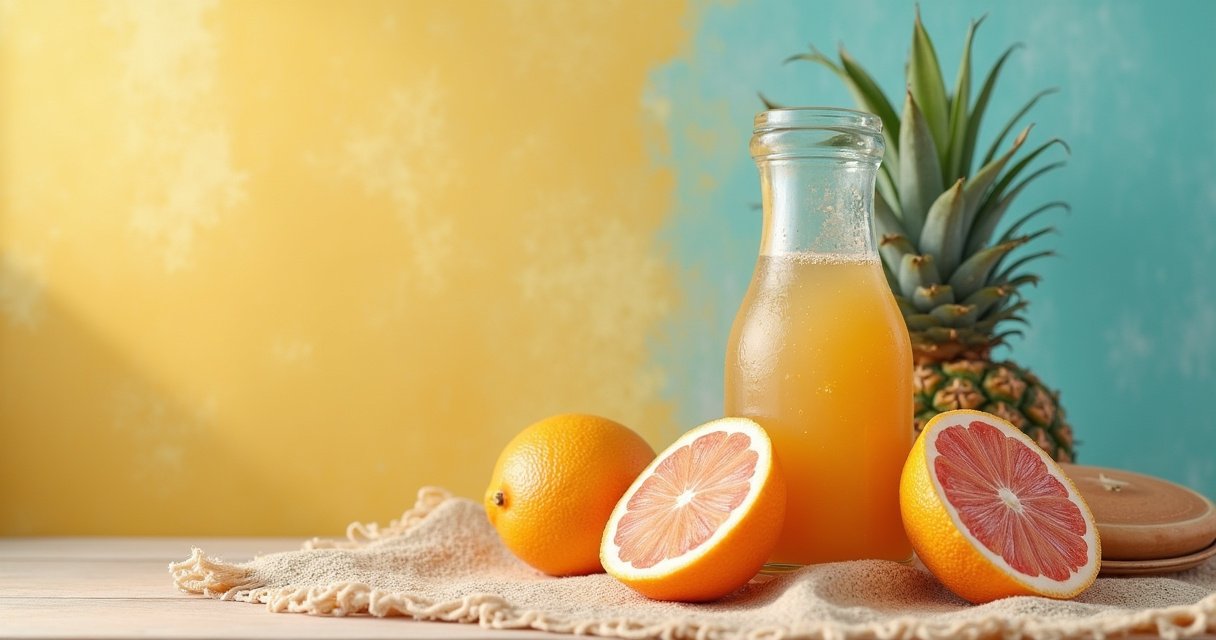
The transition from spring to summer often brings expectations of warmth, sunshine, and outdoor leisure. However, for a significant portion of the population, the rising temperatures and blazing sun introduce an unexpected dermatological challenge: dehydrated and flaky skin. While winter is traditionally blamed for moisture loss, the scorching summer months present distinct environmental factors that strip the skin barrier of its essential oils. Air conditioning units pull ambient moisture from indoor air, prolonged sun exposure increases transepidermal water loss, and frequent swimming in chlorinated pools breaks down natural lipid layers. Navigating this seasonal shift requires targeted care, and utilizing effective home remedies for dry skin in summer offers a gentle, natural way to restore dermal balance without relying exclusively on heavy commercial products.
Understanding the mechanics of summer-induced dehydration helps in selecting the right natural interventions. The human epidermis relies on a delicate balance of water and natural moisturizing factors to maintain its protective barrier. When environmental stressors disrupt this barrier, skin cells shrink, leading to a rough texture, tightness, and visible flaking. Integrating botanical treatments and kitchen staples provides a practical, evidence-based approach to replenishing lost moisture. These botanical solutions work synergistically with the body’s natural healing mechanisms, delivering vital nutrients directly to the skin surface while soothing irritation caused by heat and UV radiation.
Understanding Summer Skin Dehydration
The physiological response of the skin to summer weather is complex. High ambient temperatures stimulate sweat production, which initially creates a deceptive sense of hydration. Sweat, however, is primarily composed of water and electrolytes, and as it evaporates from the surface, it frequently carries away the skin’s natural moisture reserves. Furthermore, increased exposure to ultraviolet radiation degrades collagen and impairs the lipid matrix responsible for locking hydration into the deeper layers of the epidermis. Dermatological studies published by the National Institutes of Health emphasize that environmental aggressors significantly compromise barrier function during peak sunlight hours.
Addressing this localized dehydration demands a shift in daily habits and skincare formulations. Instead of heavy, occlusive winter creams that trap heat and sweat, summer skin requires lightweight humectants and emollients that draw water into the cells and seal it gently. Natural kitchen ingredients often possess these exact properties, offering high concentrations of vitamins, fatty acids, and soothing polysaccharides. Recognizing how specific organic compounds interact with the skin barrier allows for the formulation of targeted topical treatments that address flakiness at its root.
The Power of Botanical Humectants
Humectants are substances that attract water molecules from the surrounding environment and the deeper layers of the dermis, pulling them toward the surface of the skin. In the context of home remedies for dry skin in summer, raw plant gels and botanical extracts serve as premier humectants. The inner leaf juice of the Aloe barbadensis plant, commonly known as aloe vera, stands out as a primary example. Rich in mucopolysaccharides, aloe vera binds moisture to the epidermal cells while imparting a cooling sensation that mitigates the inflammatory effects of sun exposure.
Applying pure aloe vera gel directly to dry patches provides immediate relief. Clinical observations indicate that the active compounds in aloe stimulate fibroblast activity, which in turn accelerates skin repair and enhances elasticity. Another exceptional natural humectant is raw honey. Honey contains natural sugars that act as humectants alongside antioxidant compounds that neutralize free radicals generated by UV exposure. Spattering a thin layer of raw honey over clean skin for fifteen minutes creates a protective matrix that draws ambient moisture into the outer layers while softening rough textures.
Nourishing Emollients from the Kitchen
While humectants draw water into the skin, emollients fill the microscopic gaps between skin cells, smoothing out rough edges and reinforcing the lipid barrier. Several pantry staples function as exceptional emollients without clogging pores or feeling excessively greasy in warm weather. Cold-pressed coconut oil, for instance, contains a high percentage of lauric acid, a medium-chain fatty acid that penetrates the skin layers efficiently. Applying a small amount of virgin coconut oil immediately after bathing traps residual moisture on the skin surface, preventing rapid evaporation.
For individuals with sensitive skin who find coconut oil too heavy, cold-pressed olive oil or sweet almond oil offers a lighter alternative. Sweet almond oil is rich in Vitamin E and zinc, both of which support skin regeneration and reduce flaking. Massaging a few drops of almond oil into damp skin creates a breathable barrier that shields against dry indoor air conditioning. Incorporating these oils into a regular evening routine ensures that the lipid matrix remains robust, minimizing the vulnerability of the skin to seasonal dehydration.
Targeted Natural Masks and Treatments
Combining humectants and emollients into DIY topical masks delivers comprehensive nourishment. A frequently utilized formulation involves combining mashed ripe avocado with plain yogurt and a teaspoon of honey. Avocado provides essential monounsaturated fatty acids and phytosterols that nourish the lipid barrier, while yogurt supplies lactic acid—a gentle alpha-hydroxy acid that encourages the shedding of dead skin cells without causing mechanical irritation. The lactic acid clears the pathway for moisturizing compounds to penetrate more deeply, ensuring maximum efficacy.
Preparing and applying this mixture requires clean utensils and freshly sourced ingredients to prevent microbial contamination. The mask should rest on the skin for fifteen to twenty minutes before being rinsed away with tepid water. Rubbing the skin vigorously during removal should be avoided; instead, gentle patting with a soft cotton towel preserves the newly deposited moisture. Regular application of such treatments twice a week maintains epidermal flexibility and prevents the accumulation of dry, flaky patches during peak summer heat.
Comparison of Natural Summer Skincare Ingredients
| Ingredient | Primary Action | Key Nutrients | Best Used For |
|---|---|---|---|
| Aloe Vera | Humectant / Cooling | Polysaccharides, Vitamins A, C, E | Sun-stressed and irritated skin |
| Raw Honey | Humectant / Antioxidant | Natural sugars, Phenolic compounds | Surface dehydration and texture smoothing |
| Coconut Oil | Emollient / Barrier Seal | Lauric acid, Medium-chain triglycerides | Deep moisture retention on limbs and torso |
| Plain Yogurt | Gentle Exfoliant / Soother | Lactic acid, Probiotics | Removing dead cells and calming redness |
| Cucumber Juice | Hydrating / Refreshing | Silica, Ascorbic acid | Puffiness and surface cooling |
Hydration from Within: Dietary and Lifestyle Adjustments
Topical treatments alone cannot fully resolve chronic skin dehydration if internal fluid levels are depleted. The physiological demand for water increases exponentially during the summer months due to accelerated perspiration. Maintaining optimal systemic hydration requires consistent water consumption throughout the day, supplemented by water-rich whole foods. Cucumbers, watermelons, celery, and leafy greens provide structured water alongside essential minerals like potassium and magnesium, which facilitate cellular fluid balance.
Furthermore, dietary inclusion of omega-3 fatty acids supports the integrity of cell membranes throughout the body, including the skin. Incorporating flaxseeds, chia seeds, walnuts, and cold-water fish into weekly meal planning supplies alpha-linolenic acid, which reduces systemic inflammation and enhances the skin’s natural oil production. Minimizing the consumption of excessive caffeine and sugary beverages also prevents diuretic effects that exacerbate moisture loss, ensuring that the skin receives adequate support from both internal and external sources.
Gentle Cleansing and Bathing Practices
The methods used to cleanse the skin play a critical role in managing summer dryness. Hot showers strip the natural sebum layer, leaving the epidermis vulnerable to rapid moisture evaporation. Switching to lukewarm or cool showers preserves natural oils while providing relief from ambient heat. Additionally, commercial cleansers containing harsh synthetic detergents and sulfates can exacerbate dryness. Replacing these with mild, plant-based cleansers or oil-based cleansing balms maintains the skin’s natural acidic mantle.
Exfoliation must be approached with caution during the summer months. While removing dead skin cells prevents dullness, over-exfoliation compromises the barrier function. Utilizing gentle, natural exfoliants such as finely ground oatmeal mixed with milk provides a soothing alternative to harsh synthetic scrubs. Oatmeal contains avenanthramides, compounds known for their anti-inflammatory and anti-itch properties, making this combination ideal for sensitive skin experiencing seasonal dryness.
Frequently Asked Questions
Can oily skin experience dehydration in the summer?
Yes, oily skin can frequently become dehydrated. Dehydration refers to a lack of water within the skin cells, whereas oily skin relates to excess sebum production. Environmental factors like air conditioning and sun exposure can deplete water content even while sebaceous glands continue to produce oil, resulting in a combination of surface shine and internal tightness.
How often should natural masks be applied for dry skin?
Applying nourishing natural masks two to three times per week provides optimal results. Overusing active ingredients, even natural ones, can sometimes overwhelm the skin barrier. Consistency combined with gentle daily moisturizing yields the most sustainable improvements in skin texture.
Is coconut oil suitable for facial application during hot weather?
Coconut oil is highly comedogenic for some skin types, meaning it has a tendency to clog pores. While it is exceptional for dry skin on the body, individuals prone to facial breakouts should opt for lighter botanical oils, such as jojoba or sweet almond oil, for facial care.
Does drinking more water instantly eliminate dry skin?
While systemic hydration is fundamental for overall health, drinking water alone does not directly resolve topical dryness. Water consumed reaches the internal organs first; therefore, combining adequate internal hydration with external humectants and barrier-sealing emollients is necessary to combat surface flakiness.
Conclusion
Navigating seasonal environmental shifts requires a balanced, mindful approach to dermal care. By understanding the distinct ways in which summer weather disrupts the skin barrier, individuals can implement targeted home remedies for dry skin in summer that restore equilibrium naturally. Integrating botanical humectants like aloe vera, nutrient-dense emollients such as sweet almond oil, and supportive dietary adjustments creates a comprehensive strategy for maintaining a supple, resilient complexion. Prioritizing gentle cleansing habits and consistent internal hydration ensures that the skin remains protected against the drying effects of heat, sun, and air conditioning throughout the warmest months of the year.
Featured Image Credit: Generated/Sourced via Runware.ai.
Disclaimer: This article is AI-generated for informational and educational purposes. While we strive to provide high-quality context and authority, the content should not be used as professional advice. The author/website assumes no liability for external links or factual omissions.