

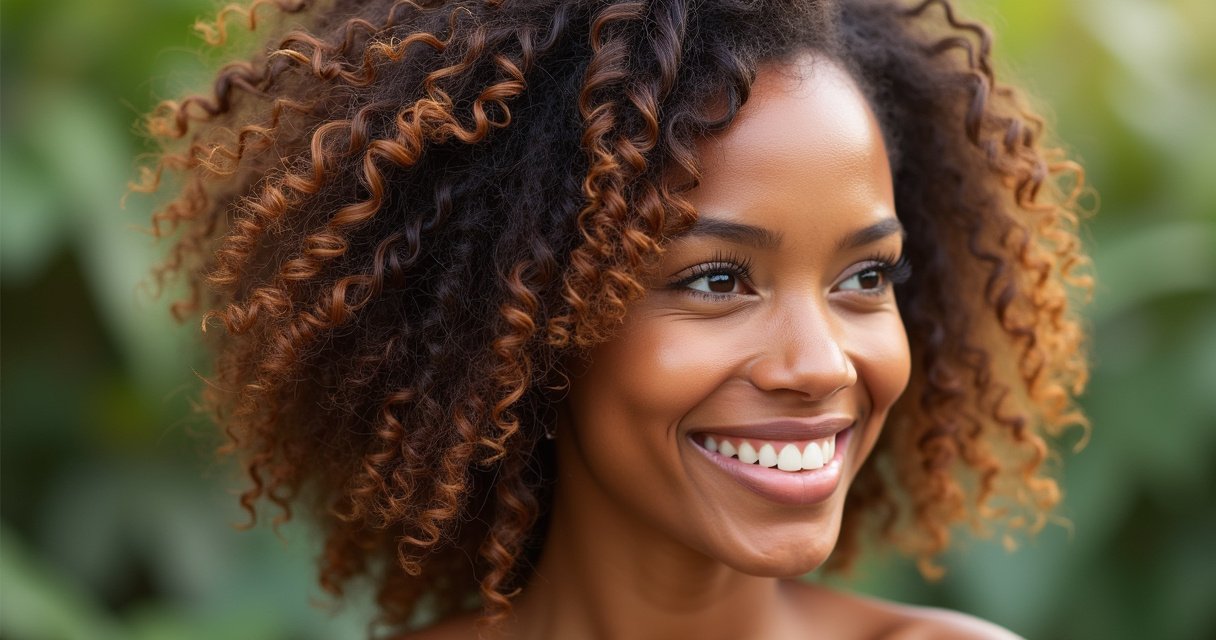
Hair Strengthening Foods for Healthy Hair Growth
Strand resilience begins far below the scalp surface, rooted deeply in the biological processes that govern cellular division and protein synthesis. When individuals experience excessive shedding, thinning, or structural breakage, the underlying cause frequently traces back to nutritional deficiencies rather than external styling damage alone. The human hair follicle is one of the most metabolically active and fast-growing tissues in the body, demanding a continuous supply of specific macronutrients and micronutrients to maintain structural integrity. Shifting the focus from topical treatments to internal nourishment allows for sustainable improvements in follicle vitality, elasticity, and overall hair health.
The Biological Foundation of Hair Strength and Structure
Every individual hair strand consists primarily of a tough fibrous protein known as keratin, which relies heavily on amino acids containing sulfur to form strong disulfide bonds. These chemical bonds dictate whether hair remains pliable and elastic or becomes brittle and prone to snapping under minimal tension. According to dermatological research published by the National Institutes of Health, nutritional deprivation forces the body to shunt scarce resources away from non-essential tissues like hair follicles toward vital organs, resulting in telogen effluvium or structural weakening of newly formed shafts.
Understanding this biological mechanism highlights why a balanced intake of high-quality protein is non-negotiable for anyone seeking optimal hair growth. Without adequate building blocks, the anagen, or growth phase, is prematurely shortened. Clinical observations documented by the American Academy of Dermatology consistently demonstrate that correcting dietary shortfalls in essential amino acids leads to measurable reductions in shedding and noticeable increases in shaft diameter over a period of three to six months.
Essential Macronutrients and Micronutrients for Follicle Vitality
Achieving robust hair growth requires a coordinated matrix of vitamins and minerals that act as enzymatic cofactors in cellular replication. Zinc and iron stand out as two of the most critical minerals required for DNA synthesis within the hair matrix. Iron deficiency, even without full-blown anemia, significantly impairs oxygen delivery to the hair bulbs, starving the tissue of the energy needed for rapid cellular division.
Simultaneously, vitamins belonging to the B-complex family—particularly biotin, niacin, and cobalamin—play pivotal roles in red blood cell formation and metabolic energy transfer. Data compiled by the Linus Pauling Institute indicate that adequate biotin intake supports the infrastructure of keratin production, though clinical supplementation yields the most dramatic results in populations with confirmed baseline deficiencies. Furthermore, fat-soluble vitamins such as vitamin D3 actively stimulate resting hair follicles to enter the active growth phase, establishing a direct link between sunlight exposure, dietary intake, and cyclical hair density.
Top Nutrient-Dense Hair Strengthening Foods
Integrating specific whole foods into daily meal planning provides a comprehensive spectrum of nutrients that isolated supplements often fail to replicate. Whole foods deliver synergistic compounds that enhance bioavailability and cellular absorption.
- Whole Eggs: Serving as an exceptional source of both complete protein and biotin, eggs supply the precise chemical precursors required for keratin synthesis. The yolks also contain healthy fats and fat-soluble vitamins that condition the scalp environment.
- Leafy Green Vegetables: Spinach, kale, and Swiss chard deliver generous amounts of folate, iron, and vitamins A and C. Vitamin C acts as an essential antioxidant while simultaneously enhancing non-heme iron absorption from plant-based sources.
- Fatty Fish: Salmon, mackerel, and sardines provide high concentrations of omega-3 fatty acids and selenium. Omega-3s reduce systemic inflammation around hair follicles, preventing miniaturization and premature shedding.
- Nuts and Seeds: Almonds, walnuts, chia seeds, and flaxseeds offer high doses of vitamin E, zinc, and alpha-linolenic acid. Vitamin E protects cell membranes from oxidative stress caused by environmental pollutants and UV radiation.
- Legumes and Beans: Lentils and chickpeas are powerhouse additions offering plant-based protein, iron, zinc, and biotin, making them indispensable for maintaining structural resilience in vegetarian or vegan diets.
Comparative Analysis of Hair Strengthening Nutrients
| Nutrient Category | Primary Food Sources | Direct Biological Function | Impact on Hair Health |
|---|---|---|---|
| Complete Proteins | Eggs, poultry, fish, lean beef | Supplies amino acids for keratin production | Increases tensile strength and reduces breakage |
| Omega-3 Fatty Acids | Salmon, chia seeds, walnuts | Modulates inflammation and lubricates follicles | Enhances scalp moisture and shine |
| Iron & Ferritin | Red meat, lentils, spinach | Facilitates oxygen transport to hair roots | Prevents diffuse hair thinning and excessive shedding |
| Vitamin C & Antioxidants | Citrus fruits, bell peppers, berries | Neutralizes free radicals and aids iron absorption | Protects follicle cells from premature aging |
Strategic Meal Planning for Long-Term Hair Resilience
Sustaining long-term improvements in hair density and strength requires consistency rather than sporadic dietary adjustments. Incorporating a variety of colorful vegetables, lean proteins, and healthy fats into every meal ensures a steady, uninterrupted supply of micronutrients to the scalp. Culinary approaches that minimize nutrient degradation—such as steaming leafy greens or lightly roasting nuts—preserve heat-sensitive vitamins like vitamin C and the B-complex group.
Agricultural data analyzed by the United States Department of Agriculture emphasize that soil depletion can lower the mineral content of modern crops, making dietary diversity and the inclusion of pasture-raised animal products or wild-caught seafood increasingly important for meeting optimal nutritional thresholds. Pairing iron-rich plant foods with vitamin C sources, such as squeezing fresh lemon juice over a lentil salad, dramatically optimizes mineral uptake by converting iron into a more absorbable chemical state.
Frequently Asked Questions
How long does it take to see results after changing my diet for hair growth?
Because the average human hair grows approximately half an inch per month, structural changes resulting from improved nutrition typically take between three to six months to become visible along the length of the shaft. Initial improvements usually manifest as reduced breakage at the scalp level before new, stronger growth replaces older, damaged hair.
Can specific dietary choices reverse genetic hair thinning?
Dietary modifications cannot alter genetic predispositions such as androgenetic alopecia, but optimizing nutritional status removes secondary compounding factors that accelerate hair loss. Providing the body with adequate protein, iron, and zinc ensures that genetically susceptible follicles function at their maximum possible capacity.
Are synthetic vitamin supplements superior to hair strengthening foods?
Whole foods provide complex matrices of co-factors, enzymes, and trace elements that work synergistically to enhance nutrient utilization. While supplements can correct diagnosed clinical deficiencies, relying exclusively on pills without addressing foundational dietary patterns often leads to imbalances or inadequate absorption.
Does hydration play a role in hair strength and elasticity?
Cellular hydration is essential for maintaining fluid balance within the dermal papilla where hair growth originates. Dehydration compromises nutrient transport and cellular metabolism, making hair shafts more brittle and susceptible to environmental friction.
Conclusion
Optimizing hair health requires a fundamental shift toward viewing hair growth as an outward reflection of internal physiological wellness. By prioritizing nutrient-dense foods rich in essential amino acids, bioavailable minerals, and targeted vitamins, individuals create an optimal internal environment for cellular regeneration and structural resilience. Eliminating nutritional shortfalls protects the delicate architecture of the hair follicle, resulting in stronger, shinier, and more resilient strands that withstand physical and environmental stressors over time.
Featured Image Credit: Generated/Sourced via Runware.ai.
Disclaimer: This article is AI-generated for informational and educational purposes. While we strive to provide high-quality context and authority, the content should not be used as professional advice. The author/website assumes no liability for external links or factual omissions.