

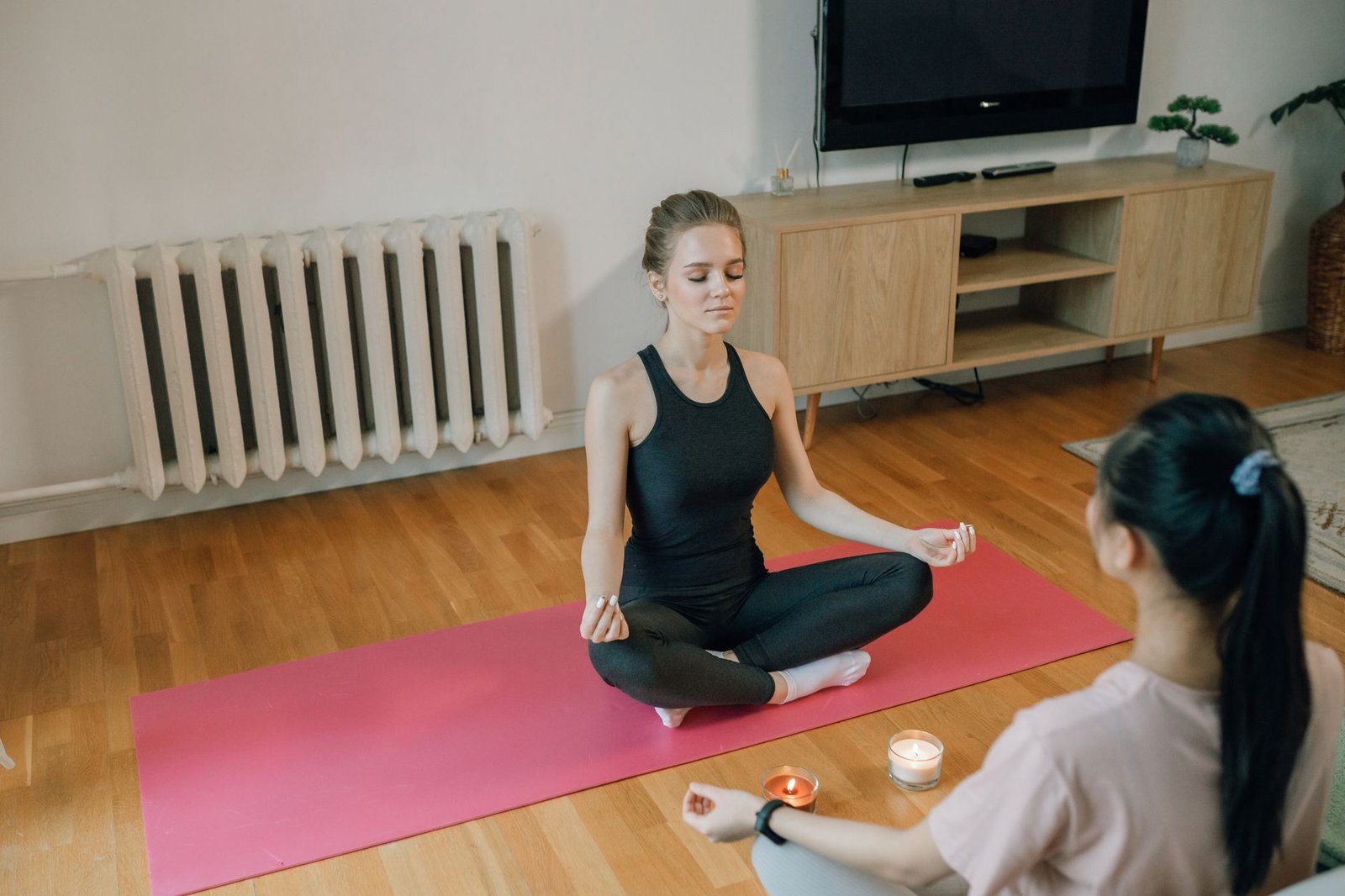
Simple Mindfulness Exercises for Beginners at Home
The modern home frequently serves as an office, a social hub, and a sanctuary, which can blur the boundaries between relaxation and daily pressures. When the living room doubles as a workspace, the mind struggles to switch off, leading to a constant state of low-level distraction. Introducing deliberate mental pauses into domestic spaces helps reset the nervous system without requiring a retreat to a remote cabin or a specialized studio. Engaging in simple mindfulness exercises for beginners at home offers an accessible entry point for anyone looking to anchor their attention in the present moment, rather than ruminating on past events or anticipating future stressors.
Scientific research from institutions like the Greater Good Science Center indicates that regular mental grounding practices positively alter neural pathways associated with emotional regulation and stress response. These shifts do not demand hours of silent meditation on a cushion. Instead, they integrate smoothly into everyday routines, transforming ordinary household tasks into opportunities for mental clarity. By understanding the mechanics of attention and applying structured, objective techniques, individuals can cultivate a resilient, calm mindset within the comfort of their own living spaces.
Understanding the Core Principles of Domestic Mindfulness
Mindfulness is frequently misunderstood as the total elimination of thought or the attainment of a state of permanent bliss. In reality, the practice centers on noticing where attention rests and gently returning it to the chosen focus whenever the mind wanders. When applied within a residential environment, this means acknowledging the hum of a refrigerator, the texture of a kitchen counter, or the rhythm of one’s own breath without judging these sensations as good or bad.
According to guidelines published by the American Psychological Association, observational awareness allows individuals to create psychological distance from distressing stimuli. This distance prevents automatic behavioral reactions, replacing them with thoughtful responses. At home, external distractions—such as notifications, household chores, or family members—provide constant opportunities to practice this redirection of focus. Treating distraction not as a failure, but as a natural part of the training process, builds psychological endurance and fosters a sustainable habit.
The Breath as an Anchor: Foundational Breathing Techniques
The breath remains the most portable and reliable tool for cultivating present-moment awareness. Because breathing occurs autonomously, it bridges the gap between conscious thought and involuntary physiological functions. When anxiety elevates heart rates, intentional breath regulation signals the parasympathetic nervous system to initiate relaxation protocols, as documented in studies highlighted by Harvard Health Publishing.
A straightforward approach for those starting out involves the box breathing method, widely utilized by high-stress professionals and emergency responders to regain composure.
- Sit comfortably in an upright chair with both feet flat on the floor, allowing the spine to align naturally without excessive tension.
- Inhale slowly through the nose while counting silently to four, filling the lower abdomen rather than just the chest.
- Hold the breath gently at the top of the inhalation for a count of four, maintaining a relaxed posture.
- Exhale completely through the mouth or nose for a count of four, releasing all trapped air.
- Hold the breath at the bottom of the exhalation for a final count of four before repeating the cycle.
Practicing this sequence for five minutes each morning establishes a physiological baseline of calm before engaging with digital devices or household chores. Another effective variation is the extended exhale technique, where the exhalation lasts twice as long as the inhalation, which immediately activates physical relaxation responses.
Sensory Grounding: Exploring the Immediate Environment
When internal dialogue becomes overwhelming, shifting attention outward to sensory input interrupts cyclical rumination patterns. The 5-4-3-2-1 technique serves as a structured method for engaging the senses and grounding awareness in the physical room. This exercise requires no equipment and can be performed quietly in any corner of a residence.
| Sense | Focus Target | Objective |
|---|---|---|
| Sight | Five distinct objects | Notice shapes, colors, and light interplay without naming or labeling. |
| Touch | Four physical sensations | Feel clothing fabric, chair texture, floor temperature, or skin moisture. |
| Sound | Three auditory inputs | Identify distant traffic, indoor appliance hums, or outdoor wildlife sounds. |
| Smell | Two distinct aromas | Detect coffee brewing, laundry detergent, or fresh air from an open window. |
| Taste | One lingering flavor | Notice residual taste in the mouth or take a slow sip of water. |
Executing this sequence forces the brain to process immediate environmental data rather than abstract worries. Clinical observations published by the Mayo Clinic emphasize that sensory grounding effectively manages acute stress spikes by redirecting cognitive processing power away from perceived threats and toward safe, neutral surroundings.
Mindful Movement: Integrating Awareness into Daily Chores
Physical movement offers a dynamic alternative to stationary sitting practices, making it ideal for individuals who find stillness challenging. Mundane household chores—such as washing dishes, folding laundry, or sweeping floors—provide rich textures, temperatures, and motions that can anchor the mind.
Instead of treating these tasks as chores to rush through while listening to podcasts or planning future schedules, attention can be directed entirely to the physical mechanics of the action. When washing dishes, notice the temperature of the water, the slippery texture of the soap, the sound of the draining water, and the exact motion of hands moving across ceramic surfaces. Research from the National Institutes of Health suggests that routine tasks performed with deliberate attention yield stress-reduction benefits comparable to formal seated meditation. This approach transforms domestic maintenance into an active meditation session, maximizing time efficiency and mental restoration.
Body Scan Meditation for Physical Release
Physical tension frequently accumulates unnoticed throughout the day, manifesting as clenched jaws, tight shoulders, or a stiff lower back. A body scan meditation involves systematically shifting attention through different regions of the physique, identifying areas of tightness, and consciously releasing them.
- Lie flat on a yoga mat or a comfortable carpeted floor, resting the arms loosely by the sides with palms facing upward.
- Direct initial focus to the toes of both feet, observing any sensations of warmth, coolness, pressure, or tingling.
- Slowly move the mental spotlight upward through the ankles, calves, knees, and thighs, lingering on each joint for several breath cycles.
- Continue scanning through the pelvic region, stomach, chest, back, shoulders, arms, hands, neck, and facial muscles.
- Conclude by experiencing the entire physical form resting simultaneously on the floor, breathing as a unified system.
This systematic review of physical sensations trains the nervous system to detect stress markers early, preventing chronic muscular bracing. Public health reports from the Centers for Disease Control and Prevention link regular body awareness practices with improved sleep quality and reduced incidence of tension-related headaches.
Cultivating Daily Consistency and Overcoming Common Obstacles
Establishing a sustainable home practice requires realistic expectations and environmental preparation. Many beginners abandon their efforts because they anticipate immediate tranquility or struggle to quiet persistent thoughts. Recognizing that a wandering mind is a normal biological function rather than a personal deficiency prevents discouragement.
Creating a dedicated physical cue helps build consistency. Designating a specific chair, corner, or time slot signals to the brain that this space is reserved for mental restoration. Starting with micro-sessions lasting three to five minutes ensures the commitment remains manageable, preventing burnout. Over time, as neural pathways strengthen, duration can be gradually extended without triggering resistance.
Frequently Asked Questions
What is the best time of day to practice mindfulness at home?
The optimal time depends entirely on individual daily schedules and personal energy patterns. Morning sessions help establish a calm baseline before encountering daily stressors, while evening sessions assist in processing accumulated tension and preparing the body for restorative sleep.
Do I need special equipment or a quiet room to begin?
No special equipment is required beyond comfortable clothing and a place to sit or lie down. While a quiet environment helps initially, learning to maintain focus amidst normal household sounds builds greater mental resilience and adaptability.
How long before I notice measurable benefits from these exercises?
Physiological shifts like reduced heart rate and muscle relaxation occur immediately during the exercise. Long-term cognitive benefits, such as improved emotional regulation and sustained focus, typically manifest after two to three weeks of consistent daily practice.
Can mindfulness exercises replace medical treatments for anxiety or depression?
These techniques serve as complementary self-care tools for managing everyday stress and enhancing general well-being. They do not constitute medical treatments and should not replace professional psychological or psychiatric care for clinical conditions.
Conclusion
Engaging in simple mindfulness exercises for beginners at home provides a practical, evidence-based pathway to reduce daily stress and enhance mental clarity. By anchoring attention in the breath, exploring sensory details, integrating awareness into routine chores, and practicing systematic body scans, individuals can transform their living spaces into environments of restoration. Consistent, short sessions yield cumulative benefits that support long-term emotional resilience and cognitive health. Embracing this practice requires patience, curiosity, and a willingness to observe internal and external experiences without judgment, laying a strong foundation for lifelong well-being.
Featured Image Credit: Generated/Sourced via Unsplash.
Disclaimer: This article is AI-generated for informational and educational purposes. While we strive to provide high-quality context and authority, the content should not be used as professional advice. The author/website assumes no liability for external links or factual omissions.