

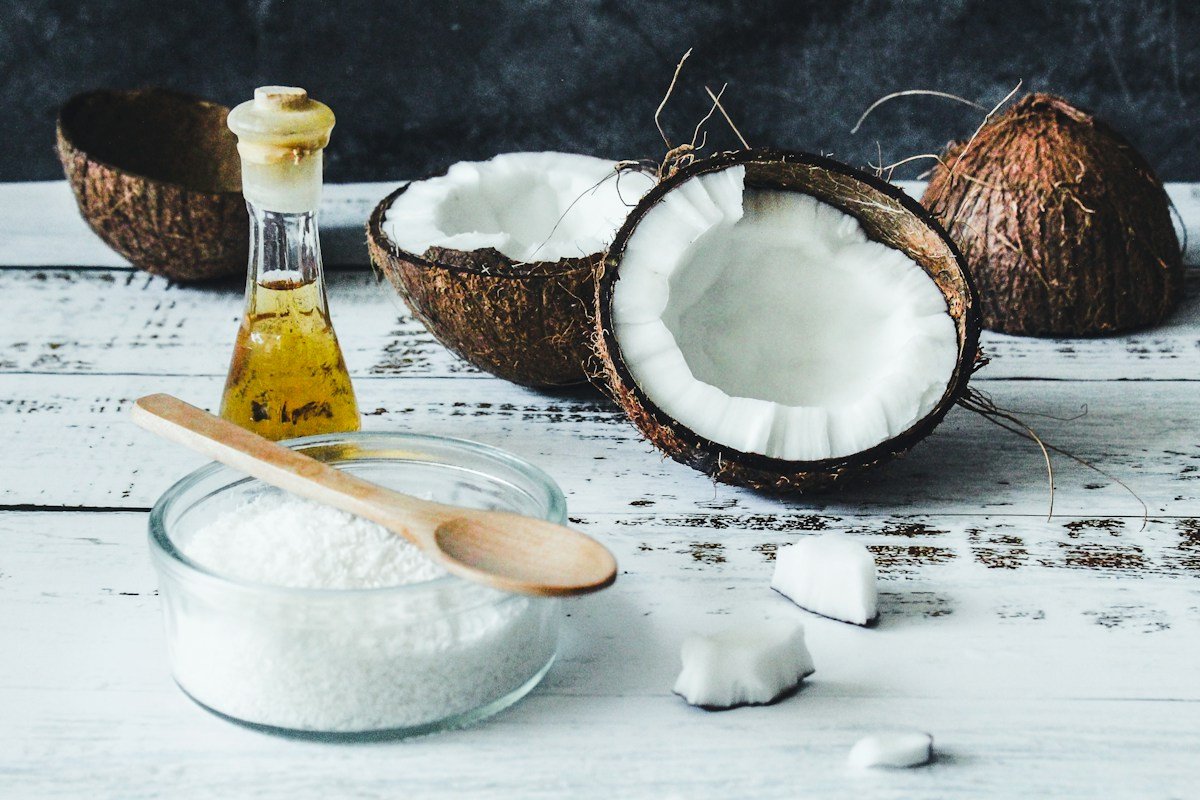
Oil pulling is an ancient Ayurvedic practice that involves swishing a tablespoon of vegetable oil in the mouth for an extended period, traditionally 15 to 20 minutes, before spitting it out. The practice is mentioned in historical Ayurvedic texts including the Charaka Samhita and Sushruta Samhita and has been practiced in India for thousands of years as part of daily oral hygiene routines called dinacharya, the Ayurvedic system of daily practices for maintaining health.
In the past decade, oil pulling has experienced a significant revival globally, driven partly by growing interest in traditional and complementary health practices and partly by a handful of small clinical studies suggesting measurable benefits for oral health parameters including plaque accumulation, gingivitis, and oral bacterial counts. The practice has been covered in dental and alternative medicine journals, generating both scientific interest and appropriate skepticism about the quality and generalizability of existing evidence.
Understanding what the available science actually shows about oil pulling, which claims are supported by evidence, which remain speculative, the correct technique for maximizing any potential benefit, and the appropriate position of oil pulling within a comprehensive oral hygiene routine provides the foundation for an informed decision about whether and how to incorporate this ancient practice.
How Oil Pulling Works: Proposed Mechanisms
Several mechanisms have been proposed to explain how oil pulling might produce oral health benefits, with varying levels of scientific support. The primary proposed mechanism involves the mechanical action of swishing oil creating an emulsion with saliva that physically carries bacteria and their byproducts from oral surfaces, crevices, and between teeth. The oil’s lipid composition may attract the lipid membrane components of bacteria through saponification-like processes, incorporating bacteria into the oil that is then expelled when spitting.
Sesame oil, one of the most traditionally recommended oils for oil pulling, contains sesamin and sesamolin, lignans with antioxidant properties, along with sesaminol glucosides that have demonstrated antimicrobial activity in laboratory studies. The poly-unsaturated fatty acids in sesame oil may undergo partial saponification in the alkaline oral environment, producing soaps with inherent surfactant and antimicrobial properties. These chemical properties provide a plausible biochemical basis for antimicrobial effects beyond the purely mechanical swishing action.
A 2011 study published in the Journal of Oral Health and Community Dentistry compared sesame oil pulling with chlorhexidine mouthwash (the clinical gold standard for antimicrobial mouth rinsing) in adolescents with plaque-induced gingivitis over 45 days. Both groups showed statistically significant reductions in plaque index and gingival bleeding scores, with no statistically significant difference between groups in effect size. This finding generated significant attention because it suggested potential equivalence between an ancient traditional practice and a standard pharmaceutical intervention.
Clinical Evidence: What Studies Actually Show
A 2017 systematic review in the Journal of Traditional and Complementary Medicine examined the available clinical literature on oil pulling, identifying multiple small clinical trials showing reductions in Streptococcus mutans (the primary bacteria responsible for dental caries) counts in saliva, reduced plaque index scores, and reduced gingival inflammation scores following oil pulling practice. However, the review also noted that study quality was consistently limited by small sample sizes, short follow-up periods, lack of blinding, and methodological inconsistencies that limit the certainty of conclusions.
A more cautious perspective has been articulated by the American Dental Association (ADA), which in its scientific position statement notes insufficient evidence to make clinical recommendations about oil pulling and emphasizes that existing studies have methodological limitations that prevent definitive conclusions. The ADA maintains that oil pulling should not replace conventional evidence-based oral hygiene practices including twice-daily fluoride toothbrushing and daily flossing.
The most measured scientific conclusion appears to be that oil pulling, when practiced correctly, may provide modest complementary benefits to oral hygiene for some outcomes, particularly plaque and gingivitis parameters, while the evidence for more dramatic claimed benefits including systemic disease effects is currently insufficient to support clinical recommendation. It represents a potentially useful adjunctive practice rather than a replacement for conventional oral care.
Oil Selection: Sesame vs Coconut vs Others
Traditional Ayurvedic texts recommend sesame oil and sunflower oil as primary oil pulling media. Sesame oil has the most historical precedent and has been used in the majority of clinical studies examining oil pulling. Its fatty acid composition, antioxidant content, and traditional antimicrobial properties make it a well-reasoned choice for this application.
Coconut oil has become the most popular modern choice for oil pulling, driven by the general interest in coconut oil’s lauric acid content and its documented antimicrobial properties against certain organisms. While coconut oil has relevant biochemical properties and is effective as an oil pulling medium, it has been used in fewer clinical studies than sesame oil. The antimicrobial effects of coconut oil against oral Streptococcus species have been documented in vitro, and a 2016 study showed that coconut oil pulling significantly reduced Streptococcus mutans counts in adolescents over 30 days.
Sunflower oil, traditionally recommended in some Ayurvedic texts, provides a bland neutral flavor that may be more palatably comfortable for those finding sesame or coconut oil flavors strong. High oleic sunflower oil variants provide a more shelf-stable, oxidation-resistant option. Ultimately, the mechanical swishing action and its duration may be as important as the specific oil chosen, making comfort and consistency with the practice a practical priority in oil selection.
Oil Pulling: Evidence and Practice Comparison Matrix
This matrix compares the available evidence for oil pulling’s claimed benefits, the appropriate expectations, and how the practice relates to conventional oral hygiene.
| Claimed Benefit | Evidence Level | Compared to Conventional Care | Recommendation |
|---|---|---|---|
| Reduces plaque | Moderate (small studies) | Comparable to mouthwash, inferior to brushing | Adjunctive, not replacement |
| Reduces gingivitis | Moderate | Some equivalence to antiseptic rinse | Adjunctive practice |
| Reduces S. mutans | Moderate | Meaningful bacterial reduction | Complementary benefit |
| Reduces bad breath | Limited | Less evidence than conventional | May help some individuals |
| Whitens teeth | Very limited (anecdotal) | Not demonstrated in studies | Not supported |
| Systemic disease effects | Very limited (speculative) | No high-quality evidence | Not currently supported |
| Migraine/headache relief | Anecdotal only | No clinical evidence | Not supported |
* Oil pulling is considered safe when practiced correctly. It should complement, not replace, brushing with fluoride toothpaste, flossing, and regular dental check-ups.
Frequently Asked Questions About Oil Pulling
How long should I oil pull each session?
Traditional recommendations suggest 15 to 20 minutes of continuous swishing per session. Most clinical studies have used 10 to 20 minute sessions. The extended duration allows the oil to become thoroughly emulsified with saliva and potentially more effective at incorporating bacteria from oral surfaces. If 15 to 20 minutes is impractical, even 5 to 10 minutes may provide some benefit based on the mechanisms involved, though optimal duration based on clinical evidence points to the longer timeframes.
Should I oil pull before or after brushing?
Oil pulling is most appropriate as the first step of the morning oral hygiene routine, before brushing, before eating, and before drinking anything other than plain water. Performing it on a completely empty stomach is traditional and may avoid the possibility of pulling with food particles from breakfast. After oil pulling, rinsing with warm water and then brushing with fluoride toothpaste provides the most comprehensive oral hygiene sequence. Oil pulling should not replace brushing or flossing but precede them in the morning routine.
What should I do with the used oil?
The used oil should be spit into a waste bin rather than the sink or toilet, as the oil and bacteria-laden emulsion it contains should not be swallowed and may over time contribute to drain clogging if disposed of regularly in plumbing. Swallowing the used oil, which will have incorporated oral bacteria and their toxins, should be avoided. Rinsing the mouth with warm water and then brushing normally after spitting removes any remaining oil residue from oral surfaces.
Can children do oil pulling?
Oil pulling has been studied and practiced in adolescents in clinical research contexts, and several studies showing plaque and gingivitis benefits used adolescent populations. For children below approximately 5 to 6 years of age, the practice is not appropriate because of the risk of accidentally swallowing the oil and because developing appropriate swishing technique without swallowing requires some maturity. Older children and adolescents with reliable ability to spit can attempt the practice with parental guidance and appropriate oil selection, beginning with shorter sessions of 5 to 7 minutes.
Does oil pulling help with sensitive teeth?
There is limited specific evidence for oil pulling’s effects on dental sensitivity. Some practitioners report reduced sensitivity with regular practice, possibly through coating effects on exposed dentin tubules, but this effect has not been rigorously studied. For dental hypersensitivity, using a toothpaste formulated for sensitive teeth containing potassium nitrate or fluoride, avoiding acidic foods and drinks, and consulting a dentist about specific causes represents a more evidence-supported approach than oil pulling as a primary treatment.
Can oil pulling cure cavities?
No. Oil pulling cannot reverse or cure established dental caries (cavities). Once the mineral structure of the tooth has been lost through cavitation, it requires restorative dental treatment to address. Oil pulling may potentially help reduce the bacterial load of Streptococcus mutans in the mouth, which is the primary driver of cavity formation, potentially as part of a comprehensive cavity-prevention approach alongside reduced sugar intake, fluoride toothpaste, and regular dental check-ups. But it cannot treat existing cavities and should not delay seeking dental care for established decay.
Is oil pulling effective for bad breath (halitosis)?
Some studies have shown that oil pulling reduces the bacterial counts of organisms associated with bad breath, including Streptococcus species, and several reports document subjective improvement in breath quality with regular practice. However, the evidence specifically for halitosis is less robust than for plaque and gingivitis outcomes. Bad breath has multiple causes including dry mouth, post-nasal drip, specific foods, periodontal disease, and rarely systemic conditions. Oil pulling may help with bacterial-source bad breath but should be complemented with addressing underlying causes for persistent halitosis.
Which is better for oral health – oil pulling or mouthwash?
This comparison depends heavily on which specific mouthwash. Prescription-strength chlorhexidine mouthwash has more robust evidence for antimicrobial effects than oil pulling and is used clinically for specific conditions. Commercial alcohol-based mouthwashes are not shown to be more effective than oil pulling in the limited comparative studies available and may cause dry mouth and mucosal changes with chronic use that oil pulling does not. Fluoride-containing mouthwashes provide specific cavity prevention benefits from fluoride ions that oil pulling cannot replicate. Rather than a direct competition, oil pulling and certain mouthwashes address oral health through different mechanisms that may complement each other when used at different times of day.
Medical Disclaimer: The information in this article is for educational and informational purposes only and is not intended as medical advice. Always consult a qualified healthcare professional before making any changes to your diet, lifestyle, or health routine. Individual results may vary.
Oil Pulling Within a Comprehensive Oral Health Routine
Oil pulling at its best represents a complementary adjunct to comprehensive oral hygiene that may provide modest additional benefits for plaque control and gingival health beyond standard brushing and flossing. For those interested in integrating traditional Indian health practices into their daily routine with available scientific support, oil pulling represents one of the better-evidenced options within the oral health domain, with a safety profile that makes it low-risk when practiced correctly. Approached with realistic expectations and positioned appropriately within conventional oral hygiene, it is a practice with cultural depth and emerging scientific foundation worth consideration.
Learn more: NIH National Center for Complementary Health, WHO Traditional Medicine, NIN India, PubMed, Herb Society of America, and ICMR India.