
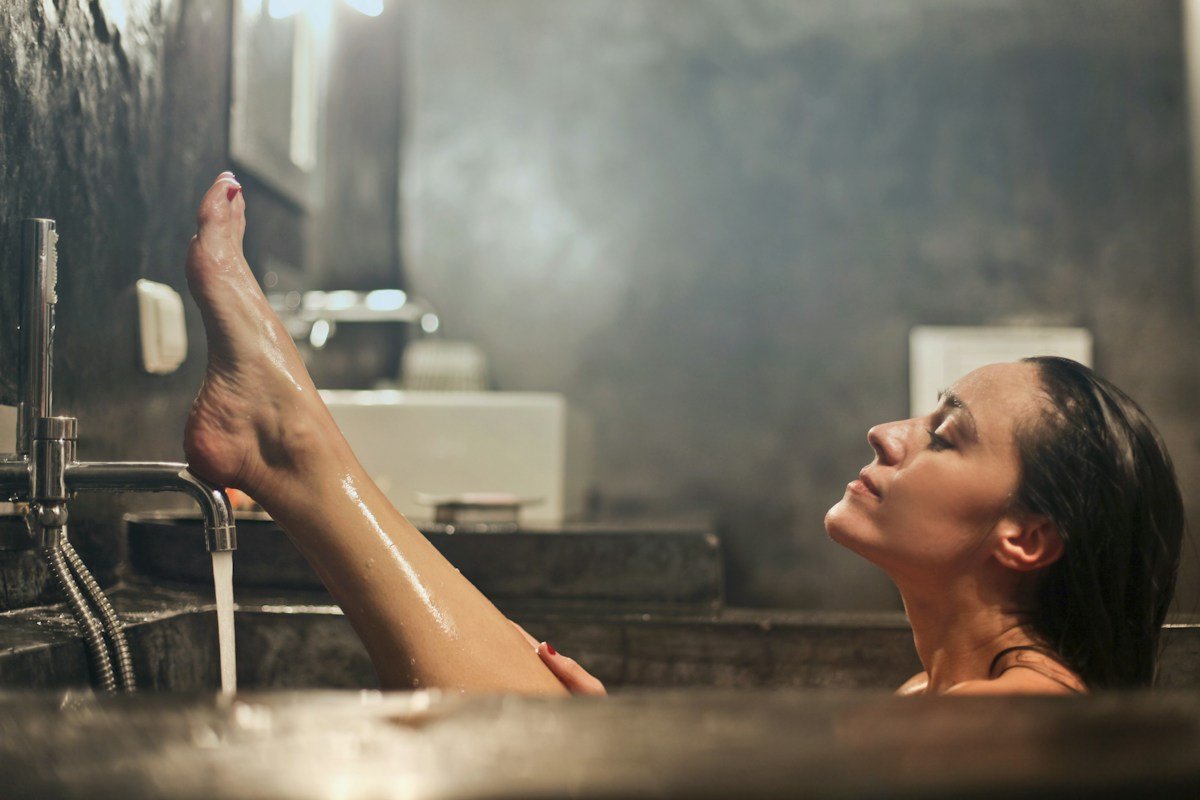
The daily shower is one of the most consistent rituals in modern life, yet most people have never considered whether the temperature they choose has meaningful implications for their health. The debate between cold showers and hot showers touches on physiology, immune function, mental health, skin health, exercise recovery, and cardiovascular adaptation in ways that are more nuanced and research-informed than the simple comfort preferences that typically guide this choice.
Cold water immersion and cold shower protocols have gained significant scientific attention in recent years, driven partly by research interest in cold acclimatization protocols used by athletes, partly by the popular wellness movement promoting practices like ice baths and the Wim Hof method, and partly by genuinely interesting findings about cold exposure’s effects on brown adipose tissue activation, norepinephrine release, and inflammatory markers. Meanwhile, hot water exposure has its own documented physiological benefits including cardiovascular adaptations similar to mild exercise, pain relief through heat mechanisms, and muscle relaxation effects.
Understanding what the available research actually shows about both cold and hot shower exposure, the mechanisms behind each set of effects, the practical considerations for different health goals and contexts, and how to incorporate temperature variation into a daily routine in India’s diverse climate conditions provides a framework for making an evidence-informed rather than comfort-driven choice about this daily ritual.
Cold Shower Benefits: What Science Shows
Cold water exposure triggers a coordinated physiological response involving the sympathetic nervous system, the hypothalamic-pituitary-adrenal axis, and multiple organ systems. The immediate response to cold water contact includes a sharp inhalation, increased heart rate and blood pressure, peripheral vasoconstriction (blood vessel narrowing in the skin and extremities to conserve core temperature), and a surge in circulating norepinephrine.
Norepinephrine, the primary neurotransmitter released in response to cold exposure, has documented mood-elevating and alertness-promoting effects. Research by Dr. Nikolai Shevchuk, published in Medical Hypotheses, proposed that cold showers may support mood regulation through this norepinephrine surge, with cold water immersion potentially increasing norepinephrine levels by 200 to 300 percent in adapted individuals. While this research is preliminary and the mechanisms complex, it provides a physiological basis for the subjective reports of improved mood and reduced anxiety that cold shower practitioners commonly describe.
Cold water exposure activates brown adipose tissue (BAT), a metabolically active fat tissue that generates heat through non-shivering thermogenesis. BAT activation increases energy expenditure and has been studied for its potential role in metabolic health. Regular cold exposure has been shown to increase BAT mass and activity over time, with potential implications for energy balance and insulin sensitivity in some populations.
For athletes and active individuals, cold water immersion is among the most studied recovery modalities. Research confirms that cold water immersion reduces delayed onset muscle soreness (DOMS) and subjective fatigue after intense exercise compared to passive recovery, primarily through reduction of inflammation, decreased tissue temperature reducing metabolic rate in damaged tissue, and hydrostatic pressure effects reducing swelling. However, cold water immersion immediately after strength training may attenuate some adaptations to resistance exercise by blunting the inflammatory signaling that drives muscle protein synthesis, making timing and context important considerations.
Hot Shower Benefits: Cardiovascular and Musculoskeletal Effects
Hot water exposure produces the opposite vascular response to cold: peripheral vasodilation, increased surface blood flow, reduced peripheral resistance, and a modest decrease in blood pressure in the short term. Regular passive heat exposure through hot baths, saunas, or hot showers has been studied for its cardiovascular benefits, with research suggesting adaptations including improved endothelial function, reduced arterial stiffness, and lower resting blood pressure with consistent practice.
A 2018 study from the University of Oregon demonstrated that regular hot bath immersion produced cardiovascular adaptations including reduced resting heart rate and improved insulin sensitivity comparable in some metrics to those achieved through regular aerobic exercise, representing an important finding for individuals with mobility limitations who cannot engage in traditional exercise. Hot water exposure may therefore provide meaningful cardiovascular benefit for those who cannot exercise regularly, though it should complement rather than replace physical activity in those who are able.
Heat application to muscles through hot showers increases tissue temperature, reduces muscle viscosity, increases muscle extensibility, and promotes relaxation of chronically contracted muscle fibers. This makes hot showers particularly beneficial before stretching, yoga, or any activity requiring muscle flexibility, as the increased tissue temperature improves the mechanical properties of muscle in ways that enhance range of motion and reduce injury risk during stretching.
Cold vs Hot Shower: Evidence-Based Benefits Comparative Matrix
The following matrix compares cold and hot shower exposures across key health domains, summarizing the mechanism, evidence quality, and practical recommendation for each benefit category.
| Domain | Cold Shower | Hot Shower | Best Choice |
|---|---|---|---|
| Mood/Alertness | Norepinephrine surge, energizing | Relaxing, parasympathetic | Cold for morning energy |
| Exercise Recovery | Reduces DOMS, acute inflammation | Muscle relaxation, circulation | Cold post-cardio, warm pre-stretch |
| Cardiovascular | Cold acclimatization benefits | Improved endothelial function | Both have documented benefits |
| Skin Health | Closes pores, reduces redness | Opens pores, aids cleansing | Alternating or finish cold |
| Metabolism | BAT activation, thermogenesis | Passive calorie burn (mild) | Cold for metabolic activation |
| Sleep Quality | Alerting, not ideal pre-sleep | Promotes relaxation, sleep onset | Hot 1-2 hrs before bed |
| Immunity | Cold hardening, potential immune support | Relaxation reduces stress impact | Mixed evidence, individual variation |
| Mental Resilience | Discomfort training, vagal tone | Stress relief, mood support | Personal preference dependent |
* Evidence quality varies by outcome. Individual responses differ considerably. Both temperature extremes have documented benefits; alternating between the two captures advantages of each.
Frequently Asked Questions About Cold and Hot Showers
How cold does a cold shower need to be to provide benefits?
Research on cold water immersion typically uses temperatures between 10 to 15 degrees Celsius for athletic recovery protocols. However, cold showers do not need to reach these extreme temperatures to provide some benefits. Comfortable-cool to cold tap water in most Indian contexts, typically 18 to 25 degrees Celsius depending on season and region, still triggers measurable sympathetic responses and the subjective benefits of cold exposure. For those new to cold showers, the tap water temperature available in your location is an appropriate starting point without requiring artificially chilled water.
Is contrast shower (alternating hot and cold) better than either alone?
Contrast showers, alternating between hot and cold water in repeated cycles, have been studied for athletic recovery and circulation support. The alternating vasodilation and vasoconstriction creates a pumping effect on blood and lymphatic vessels that may enhance waste product removal from muscle tissue and reduce inflammation. Research suggests contrast showers may provide some recovery benefits, though evidence is less consistent than for cold water immersion specifically. Many people find contrast showers more practical and tolerable than sustained cold exposure while still accessing some circulatory benefits.
Can hot showers worsen skin conditions like eczema?
Yes. Hot water strips the skin’s protective lipid barrier more aggressively than lukewarm water, reducing the natural oils that maintain skin hydration and barrier function. For those with eczema, psoriasis, or dry skin conditions, hot showers can trigger or worsen flares by compromising the skin barrier and increasing transepidermal water loss. Lukewarm water and brief shower duration are consistently recommended by dermatologists for people with inflammatory skin conditions. Applying an emollient moisturizer within 3 minutes of showering helps replace some barrier lipids removed during bathing.
Do cold showers boost the immune system?
Some research suggests that cold water exposure may support certain aspects of immune function. A Dutch randomized controlled trial (2016) found that participants instructed to take cold showers had 29 percent fewer sick leave absences than controls over 90 days, despite no reduction in illness incidence. The researchers proposed that cold showers may reduce illness-related fatigue and improve subjective wellbeing rather than preventing infections directly. Other research has documented increases in certain white blood cell counts following cold water immersion. The evidence is intriguing but not definitive, and cold showers should not be positioned as a reliable immune enhancement strategy.
Are cold showers safe for people with heart conditions?
Cold water immersion causes acute increases in heart rate and blood pressure, which represent physiological stressors that healthy cardiovascular systems handle readily. For individuals with cardiovascular conditions including coronary artery disease, heart failure, arrhythmias, or uncontrolled hypertension, the acute cardiovascular stress of cold water exposure may pose risks that outweigh potential benefits. Those with cardiovascular conditions should consult their cardiologist before incorporating cold shower practices and should never begin with sudden total body cold water immersion without medical clearance.
What is the best time for a cold shower?
Cold showers are generally more appropriate in the morning than before sleep, as the sympathetic activation and norepinephrine surge they produce promotes alertness and energy that can interfere with sleep onset. Morning cold showers provide an energizing start to the day that many practitioners describe as improved mental clarity and sustained energy through the morning hours. Evening showers are generally better as warm or lukewarm to support the natural cooling process the body undergoes as it prepares for sleep, with core body temperature dropping naturally as sleep approaches.
How long should a cold shower last?
Research on cold water exposure effects has used a wide range of durations, from 1 to 3 minutes for shower-based protocols to 15 to 20 minutes for cold water immersion. For daily cold shower practice aimed at general wellbeing benefits including mood support and morning alertness, 1 to 3 minutes of cold water exposure at the end of a regular shower appears to provide meaningful physiological response without requiring extended uncomfortable immersion. Gradually building duration over several weeks as cold acclimatization develops allows more comfortable extended exposure if desired.
Does water temperature affect hormone levels?
Cold water exposure has documented effects on cortisol and norepinephrine levels in the short term. Regular cold acclimatization appears to reduce the cortisol spike that initially accompanies cold exposure, representing an adaptation that supports better stress resilience over time. Hot water immersion affects testosterone levels modestly, with some research suggesting that elevated scrotal temperature from hot baths may temporarily affect sperm production parameters, though brief shower exposure is unlikely to produce clinically significant effects. The hormonal effects of temperature exposure are most significant with sustained, regular practice rather than occasional use.
Medical Disclaimer: The information in this article is for educational and informational purposes only and is not intended as medical advice. Always consult a qualified healthcare professional before making any changes to your diet, lifestyle, or health routine. Individual results may vary.
Incorporating Temperature Variation Into Your Daily Routine
The most practical approach for most people is to incorporate both hot and cold water exposure strategically rather than committing exclusively to one temperature. A warm or hot shower for the main cleansing phase followed by 60 to 120 seconds of cool to cold water before exiting provides the cleansing benefits of warm water with the alerting and circulatory benefits of cold exposure. This contrast ending has become a widely practiced daily routine that provides meaningful physiological stimulus without the discomfort of entirely cold bathing.
Further reading: WHO Physical Activity, CDC Physical Activity, NIN India, Harvard Public Health, Sleep Foundation, and PubMed.