

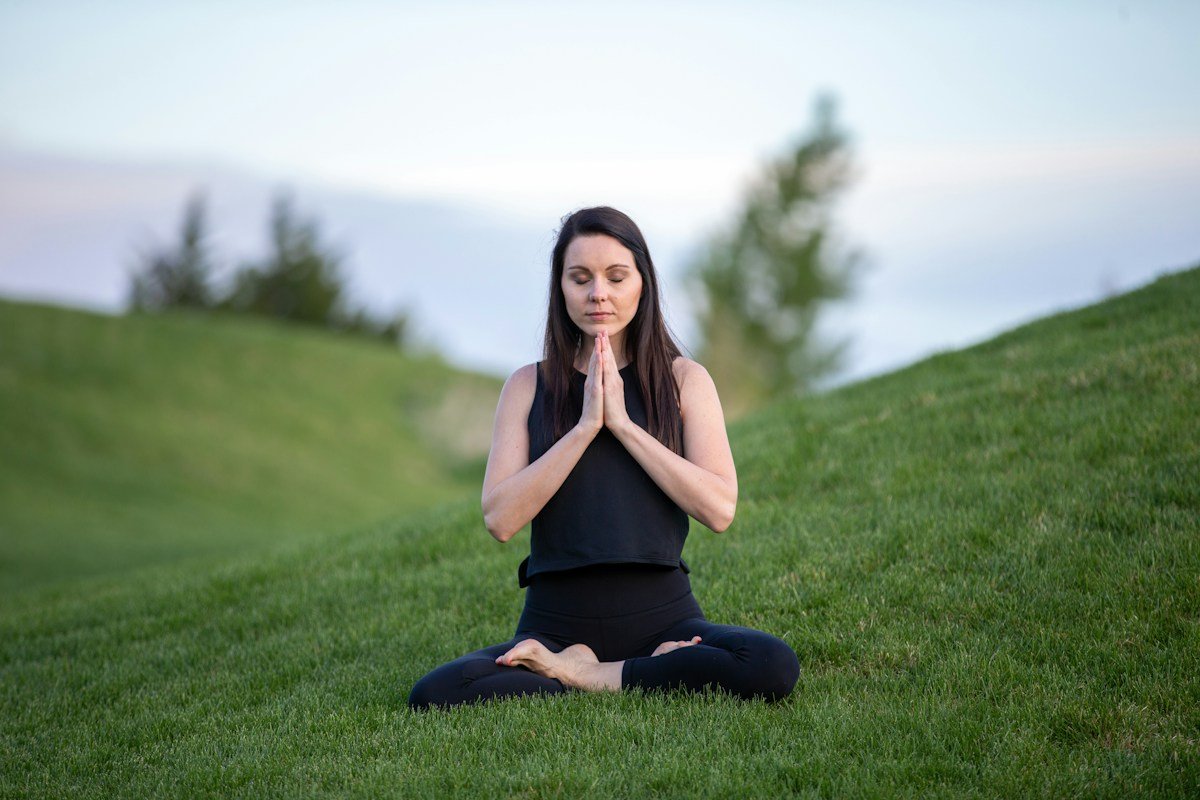
Breathing is the only autonomic biological function that can be consciously controlled with precision and trained to produce specific physiological outcomes. This remarkable accessibility makes breathing exercises one of the most powerful and immediately available tools for influencing heart rate, nervous system state, blood oxygen saturation, lung capacity, anxiety levels, blood pressure, and cognitive performance, all without any equipment, medication, or external resources.
The intersection between breathing and the autonomic nervous system represents the primary mechanism through which deliberate breathing practices produce their documented health effects. The vagus nerve, which mediates parasympathetic nervous system signaling throughout the body, is influenced by respiratory mechanics in ways that allow breathing to directly modulate nervous system tone. Slow, deep breathing activates the parasympathetic branch and reduces sympathetic activation, shifting the body away from the stress response and toward the rest-digest-repair state that chronic stress disrupts.
Pranayama, the ancient Indian science of breath control embedded in yogic tradition, recognized these relationships thousands of years before modern neuroscience developed the tools to measure them. Contemporary research has validated many traditional pranayama practices, finding measurable effects on heart rate variability, cortisol levels, inflammatory markers, and cognitive function that provide scientific grounding for practices that have been refined through millennia of empirical observation.
Diaphragmatic Breathing: The Foundation Practice
Most people breathe predominantly with their chest and accessory respiratory muscles, a pattern that produces shallow, inefficient breaths that stimulate sympathetic nervous system activity and reduce the respiratory efficiency of gas exchange in the lungs. Diaphragmatic breathing, which uses the dome-shaped diaphragm muscle as the primary respiratory muscle, produces deeper breaths with greater tidal volume, more efficient gas exchange, and direct parasympathetic stimulation through stretch receptors in the diaphragm and its interaction with the vagus nerve.
Practicing diaphragmatic breathing begins in a comfortable lying or sitting position with one hand on the chest and one on the abdomen. In correct diaphragmatic breathing, the abdomen expands outward on inhalation as the descending diaphragm displaces abdominal organs, while the chest remains relatively still. Many people find this initially counterintuitive because habitual chest breathing has become their default pattern, requiring a brief relearning period before diaphragmatic breathing becomes natural.
Research has demonstrated that regular diaphragmatic breathing practice improves heart rate variability (HRV), a measure of the flexibility of autonomic nervous system regulation that is associated with better stress resilience and overall health. A 2017 study in Frontiers in Human Neuroscience found that a 20-session diaphragmatic breathing training program significantly improved sustained attention performance and reduced salivary cortisol levels, with neuroimaging showing reduced activity in brain regions associated with emotional reactivity.
Box Breathing (Sama Vritti Pranayama): The Balanced Breath
Box breathing, known in yogic tradition as sama vritti pranayama, involves equal-duration inhalation, retention, exhalation, and pause phases arranged in a symmetric four-count cycle. The standard 4-4-4-4 pattern involves 4 counts inhale, 4 counts hold with lungs full, 4 counts exhale, and 4 counts pause with lungs empty before the next inhalation begins.
This practice is particularly effective for reducing acute anxiety and stress responses because the breath-hold phases shift blood CO2 dynamics in ways that rapidly influence nervous system tone, and the equal-interval structure gives the mind a precise focal point that interrupts rumination cycles. Box breathing has been adopted by US Navy SEALs and other special operations forces as a performance and stress management tool, and its effectiveness in high-stress military contexts has drawn significant research attention.
Beginning practitioners may use a 4-4-4-4 count, while more experienced practitioners can extend to 6-6-6-6 or 8-8-8-8 as lung capacity and comfort with breath retention develops. Practicing 4 to 6 box breathing cycles when experiencing anxiety, before a stressful event, or as part of a daily mindfulness practice provides immediate nervous system regulation benefits.
4-7-8 Breathing: Promoting Relaxation and Sleep
The 4-7-8 breathing technique, popularized by Dr. Andrew Weil, involves inhaling for 4 counts, holding the breath for 7 counts, and exhaling slowly and completely for 8 counts. The extended exhale phase is the critical element: because exhalation primarily activates parasympathetic tone while inhalation activates sympathetic tone, an exhale-dominant breathing pattern consistently shifts nervous system balance toward the rest and digest state.
The 7-count breath retention in the 4-7-8 pattern increases blood CO2 concentration, which has calming effects on the nervous system. Elevated CO2 (hypercapnia) triggers the release of carbon dioxide-sensitive receptors that promote relaxation and reduce excitatory neurotransmitter activity. While breath retention may seem counterintuitive for relaxation, the physiological effect of mild CO2 accumulation is distinctly calming rather than stressful at moderate levels.
Nadi Shodhana (Alternate Nostril Breathing): Balancing Brain Hemispheres
Nadi shodhana, or alternate nostril breathing, is among the most revered pranayama practices in yoga tradition and has been the subject of increasing scientific research. The practice involves alternating inhalation and exhalation between the left and right nostrils using the fingers to close alternate nostrils in a specific sequence. The right nostril is associated with activation of the sympathetic nervous system and left brain hemisphere activity, while the left nostril is associated with parasympathetic activation and right hemisphere activity in traditional yogic anatomy, a division that has some support in contemporary research on nasal laterality and brain hemisphere activity.
Research from JAMA has documented that alternate nostril breathing produces balanced hemispheric EEG activity and significant reduction in anxiety and sympathetic nervous system markers. A study in Perceptual and Motor Skills found that alternate nostril breathing improved spatial memory and executive function performance, while a study in the Journal of Alternative and Complementary Medicine showed blood pressure reduction effects from regular nadi shodhana practice.
Breathing Exercises Comparative Effectiveness Matrix
This matrix compares key breathing practices by their primary benefits, evidence level, target population, and optimal timing for daily practice.
| Technique | Primary Benefit | Evidence Level | Best For | Optimal Timing |
|---|---|---|---|---|
| Diaphragmatic breathing | Foundational, HRV improvement | Strong | Everyone as baseline | Morning, ongoing daily |
| Box breathing (4-4-4-4) | Anxiety reduction, focus | Strong | Stress, performance | Pre-stress, acute anxiety |
| 4-7-8 breathing | Relaxation, sleep onset | Moderate | Insomnia, bedtime | Pre-sleep, evening |
| Nadi shodhana | Balance, cognitive function | Moderate | Cognitive performance | Morning, pre-work |
| Bhramari (bee breath) | Stress, vagal tone | Moderate | Anxiety, anger | Anytime, high stress |
| Kapalbhati | Energizing, clarity | Traditional + some evidence | Morning energy | Morning only, empty stomach |
| Slow breathing (6 bpm) | HRV, cardiovascular | Strong | Heart health, calm | Morning, meditation |
| Pursed lip breathing | COPD, breathlessness | Strong (clinical) | Respiratory conditions | During exertion, breathing difficulties |
* All breathing practices should be learned gradually. Those with cardiovascular or respiratory conditions should consult a healthcare provider before beginning breath retention practices.
Frequently Asked Questions About Breathing Exercises
How often should I practice breathing exercises?
Daily practice produces the most meaningful physiological adaptations. Even 5 to 10 minutes of deliberate breathing practice daily creates measurable changes in baseline HRV, resting cortisol levels, and autonomic nervous system flexibility over 4 to 8 weeks. Brief practice sessions practiced consistently produce more benefit than occasional long sessions. Incorporating 5 minutes of diaphragmatic or box breathing into a morning routine and 5 minutes of slow or 4-7-8 breathing before sleep provides a practical daily practice framework.
Can breathing exercises lower blood pressure?
Yes, evidence is reasonably strong that certain breathing practices, particularly slow deep breathing (approximately 6 breaths per minute) sustained for 15 to 20 minutes daily, produce meaningful reductions in resting blood pressure over 4 to 8 weeks of consistent practice. A 2019 study in JAMA Internal Medicine found that a device-guided slow breathing practice produced blood pressure reductions comparable to some pharmacological interventions. Breathing exercises should complement rather than replace medical management for hypertension, and blood pressure changes should be monitored when beginning a breathing practice program.
Is kapalbhati (forced exhale breathing) safe for everyone?
Kapalbhati, a pranayama practice involving rapid forceful exhalations through the nose, is an energizing, somewhat stimulating practice that is not appropriate for everyone. Those with high blood pressure, glaucoma, epilepsy, hernia, recent abdominal surgery, heart conditions, or pregnancy should avoid kapalbhati or practice it only under the guidance of a qualified yoga teacher. For healthy individuals, kapalbhati can be safely practiced in the morning on an empty stomach, starting with slower rhythms and shorter sessions before building intensity and duration.
What is heart rate variability (HRV) and why does it matter?
Heart rate variability is the variation in time intervals between consecutive heartbeats. Contrary to intuition, a more irregular heart rhythm (higher HRV) indicates a healthy, responsive autonomic nervous system, while very regular (low HRV) heartbeats indicate reduced autonomic flexibility associated with chronic stress, cardiovascular disease risk, and reduced health resilience. Slow, deep breathing at approximately 6 breaths per minute produces a striking HRV increase through resonance with cardiovascular cycles. Regular breathing practice that improves resting HRV therefore provides a measurable marker of improved cardiovascular health and stress resilience.
How do breathing exercises reduce anxiety?
Breathing exercises reduce anxiety through multiple pathways. Slow exhalation-dominant breathing directly activates the vagus nerve and parasympathetic nervous system, reducing the physiological arousal that characterizes anxiety. The focused attention required for patterned breathing interrupts the rumination cycles that sustain anxious thought patterns. Deliberate breath control reduces respiratory rate and tidal CO2, preventing the mild hypocapnia that results from anxiety-driven hyperventilation and that itself contributes to physical anxiety symptoms including tingling and lightheadedness. The sense of agency and control that comes from being able to deliberately influence physiological arousal through breathing provides psychological as well as physiological calming.
Can I practice breathing exercises while lying down?
Yes, and lying down is often the ideal position for learning and practicing diaphragmatic breathing, relaxation-oriented practices including 4-7-8 breathing, and body scan meditation with breathing focus. The horizontal position removes postural muscle engagement that can compete with full respiratory muscle participation and makes diaphragmatic movement easier to feel and observe. However, more stimulating practices including kapalbhati and bhastrika are traditionally practiced sitting upright, and alert, mindful practices are often easier to maintain while seated rather than recumbent.
Are there breathing exercises specifically for lung capacity improvement?
Several breathing practices can support lung capacity over time. Pursed lip breathing exercises are well-validated for improving respiratory muscle function in those with chronic obstructive conditions. Deep breathing practices that deliberately expand the full inspiratory and expiratory reserve volumes practice the full range of respiratory mechanics, potentially maintaining flexibility in respiratory musculature. Singing, playing wind instruments, and swimming are activities that involve sustained controlled breathing and have been associated with improved respiratory muscle function and lung capacity in some populations.
What is bhramari (bee breath) and how does it help?
Bhramari pranayama, also called bee humming breath, involves making a continuous humming sound during exhalation, which creates internal vibration throughout the skull and chest. This vibration stimulates the vagus nerve directly through the acoustic properties of the vibration, producing rapid parasympathetic activation. Research has documented significant heart rate reduction and anxiety marker decreases from bhramari practice. The nitric oxide produced during nasal humming has additional benefits for nasal and upper respiratory health. Bhramari is one of the most immediately effective pranayama techniques for acute stress reduction.
Medical Disclaimer: The information in this article is for educational and informational purposes only and is not intended as medical advice. Always consult a qualified healthcare professional before making any changes to your diet, lifestyle, or health routine. Individual results may vary.
Breathing as Accessible Daily Medicine
The breath represents one of humanity’s oldest and most reliable healing tools, available in every moment, without cost, without equipment, and without the need for external expertise once basic techniques are learned. The growing body of scientific research validating the documented health effects of pranayama and breathing exercise traditions provides modern grounding for practices that Indian traditional medicine has refined over millennia. Incorporating even brief daily breathing practice creates cumulative physiological benefits that support stress resilience, cardiovascular health, lung capacity, and cognitive function throughout life.
Further reading: WHO Physical Activity, CDC Physical Activity, NIN India, Harvard Public Health, Sleep Foundation, and PubMed.