

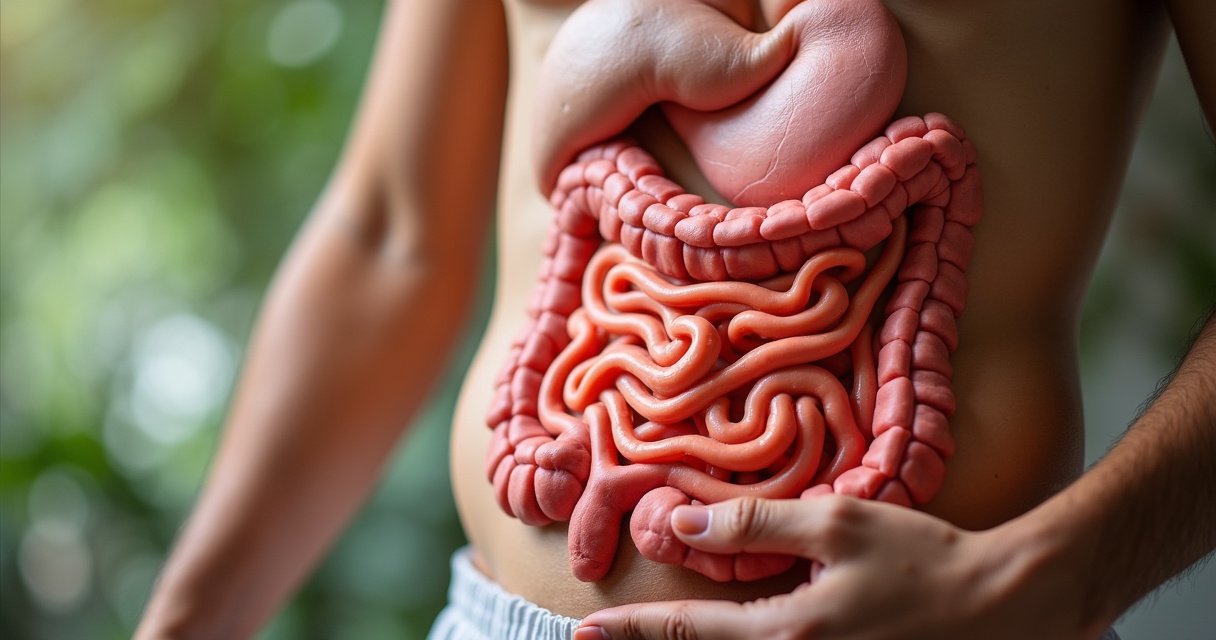
The human digestive system acts as the engine of overall vitality, processing nutrients, regulating immune function, and even communicating directly with the brain through the gut-brain axis. Modern lifestyles often disrupt this delicate ecosystem, leading to frequent bloating, sluggishness, and chronic discomfort. Relying on temporary quick fixes rarely yields lasting results; instead, achieving long-term wellness requires consistent, evidence-based lifestyle adjustments. Understanding how the gastrointestinal tract functions allows individuals to implement targeted, practical changes that support optimal microbiome diversity and smooth motility.
The Foundational Role of Daily Nutrition
Dietary choices serve as the primary driver of gut microbiome composition, determining which microbial strains thrive within the intestines. Consuming a diverse array of plant foods introduces various types of fermentable fibers that nourish beneficial bacteria such as Bifidobacteria and Lactobacilli. According to findings published by the National Institutes of Health, diets rich in whole grains, legumes, vegetables, and fruits significantly enhance microbial richness compared to heavily processed alternatives.
Incorporating prebiotic fibers, found naturally in foods like garlic, onions, leeks, and oats, feeds these friendly microbes, allowing them to produce short-chain fatty acids like butyrate. Butyrate plays an essential role in maintaining the integrity of the intestinal lining, preventing unwanted particles from crossing into the bloodstream. Transitioning toward a fiber-rich eating pattern should happen gradually to give the digestive system time to adapt without excessive gas or cramping. Pairing increased fiber intake with adequate hydration ensures that waste moves efficiently through the colon, preventing the sluggishness associated with dehydration.
Hydration and Mucosal Integrity
Water acts as the universal solvent within the body, facilitating the breakdown of food and the absorption of micronutrients across the intestinal wall. Insufficient fluid intake causes the colon to extract excess water from stool, resulting in hard, difficult-to-pass waste and chronic constipation. Drinking adequate water throughout the day maintains the mucosal lining of the gastrointestinal tract, which acts as a physical barrier against pathogens.
Clinical observations consistently show that optimal hydration supports pancreatic enzyme secretion and gastric acid production, both of which are necessary for thorough food breakdown. Warm water consumed in the morning can stimulate peristalsis, the wave-like muscle contractions that propel food through the digestive tract. Replacing sugary beverages and artificial sweeteners with plain water, herbal infusions, or mineral water reduces the risk of osmotic imbalances that can trigger gastrointestinal distress.
Movement as a Catalyst for Motility
Physical inactivity directly correlates with slowed bowel transit times and increased reports of functional gastrointestinal disorders. Regular movement stimulates the smooth muscles of the intestinal walls, encouraging the natural propulsion of gas and waste. Research highlighted by the American Gastroenterological Association indicates that moderate aerobic exercise, such as brisk walking, cycling, or swimming, accelerates gastric emptying and reduces the incidence of bloating.
Targeted abdominal movements, including specific yoga postures or gentle stretching routines, can also relieve trapped gas and ease abdominal pressure. Maintaining a consistent exercise schedule does not require high-intensity training; even short, twenty-minute walks after meals can significantly enhance postprandial digestion. Movement also improves blood circulation to the visceral organs, ensuring they receive the oxygen and nutrients required for optimal metabolic function.
Stress Regulation and the Gut-Brain Connection
The enteric nervous system, often referred to as the second brain, contains millions of neurons embedded within the walls of the digestive tract. This complex network communicates bidirectionally with the central nervous system via the vagus nerve, meaning psychological stress directly alters gastrointestinal motility and secretion. Chronic activation of the sympathetic nervous system, commonly known as the fight-or-flight response, diverts blood away from the digestive organs and slows down enzymatic output.
Managing daily stress through proven physiological mechanisms helps restore parasympathetic dominance, which promotes optimal “rest-and-digest” activity. Techniques such as diaphragmatic breathing, mindfulness meditation, and progressive muscle relaxation lower cortisol levels and normalize gut permeability. Clinical data shared by the World Gastroenterology Organisation highlights that stress reduction therapies frequently lead to marked improvements in symptoms related to irritable bowel syndrome and functional dyspepsia.
The Impact of Sleep Hygiene on Gut Health
Circadian rhythms govern not only human sleep-wake cycles but also the metabolic activity and population fluctuations of the gut microbiome. Sleep deprivation alters the balance of microbial species, favoring pro-inflammatory bacteria over beneficial strains associated with metabolic health. Fragmented sleep impairs the gut’s natural repair mechanisms, potentially weakening the mucosal barrier and increasing systemic inflammation.
Establishing consistent sleep schedules, minimizing blue light exposure prior to bed, and keeping sleeping quarters cool and dark support restorative rest. Restorative sleep promotes optimal functioning of the gut-associated lymphoid tissue, reinforcing the body’s immune defense mechanisms originating in the intestines. Prioritizing seven to nine hours of quality sleep nightly acts as a silent yet powerful pillar for maintaining daily digestive harmony.
Comparing Dietary and Lifestyle Approaches
| Approach | Primary Mechanism | Expected Benefit | Implementation Strategy |
|---|---|---|---|
| Fiber Enhancement | Feeds beneficial microbes and adds bulk to stool | Regular bowel movements and improved microbiome diversity | Gradually increase intake of vegetables, legumes, and whole grains |
| Targeted Hydration | Maintains mucosal lining and softens stool | Prevents constipation and supports nutrient absorption | Consume consistent fluids throughout the day, emphasizing plain water |
| Regular Physical Activity | Stimulates intestinal smooth muscle contractions | Accelerates transit time and reduces bloating | Engage in moderate daily movement, such as post-meal walks |
| Stress Modulation | Activates the parasympathetic nervous system | Normalizes gut motility and reduces inflammation | Practice daily diaphragmatic breathing or mindfulness techniques |
| Sleep Optimization | Regulates circadian microbial fluctuations | Enhances intestinal barrier repair and immune function | Maintain consistent sleep-wake times and optimize bedroom environment |
Frequently Asked Questions
How long does it take to notice improvements after changing dietary habits?
The gut microbiome adapts relatively quickly to dietary modifications, often showing measurable shifts in microbial populations within three to five days of altering fiber and nutrient intake. However, full resolution of chronic digestive discomfort and sustained improvements in motility may take several weeks of consistent adherence.
Does meal timing influence gastrointestinal efficiency?
Consuming meals at consistent times helps synchronize the circadian clocks of digestive organs, optimizing enzyme secretion and motility. Eating large, heavy meals immediately before lying down often triggers acid reflux and impairs overnight rest, making earlier, lighter evening meals advisable for sensitive individuals.
Are fermented foods necessary for maintaining a healthy gut?
While fermented foods like yogurt, kefir, sauerkraut, and kimchi provide live beneficial bacteria that temporarily transiently support digestion, they are not strictly mandatory. A diverse intake of prebiotic plant fibers allows resident microflora to flourish naturally without relying exclusively on fermented products.
Can drinking water with meals negatively impact digestion?
Moderate water consumption during meals does not dilute gastric acid or impair enzymatic activity in healthy individuals. In fact, fluids assist in breaking down food masses and lubricating the bolus as it travels down the esophagus, though excessive fluid intake immediately before or during meals may cause temporary feelings of overfilling.
Conclusion
Achieving and maintaining optimal gastrointestinal wellness relies on the cumulative effect of daily habits rather than isolated interventions. By prioritizing diverse plant fibers, maintaining adequate hydration, engaging in regular physical movement, managing psychological stress, and respecting circadian sleep patterns, individuals create an internal environment where the digestive tract can function effortlessly. These evidence-based practices work synergistically to reinforce mucosal barriers, balance microbial populations, and ensure efficient nutrient utilization. Embracing these natural strategies fosters long-term vitality, reducing everyday discomfort and supporting whole-body health from the inside out.
Featured Image Credit: Generated/Sourced via Runware.ai.
Disclaimer: This article is AI-generated for informational and educational purposes. While we strive to provide high-quality context and authority, the content should not be used as professional advice. The author/website assumes no liability for external links or factual omissions.