

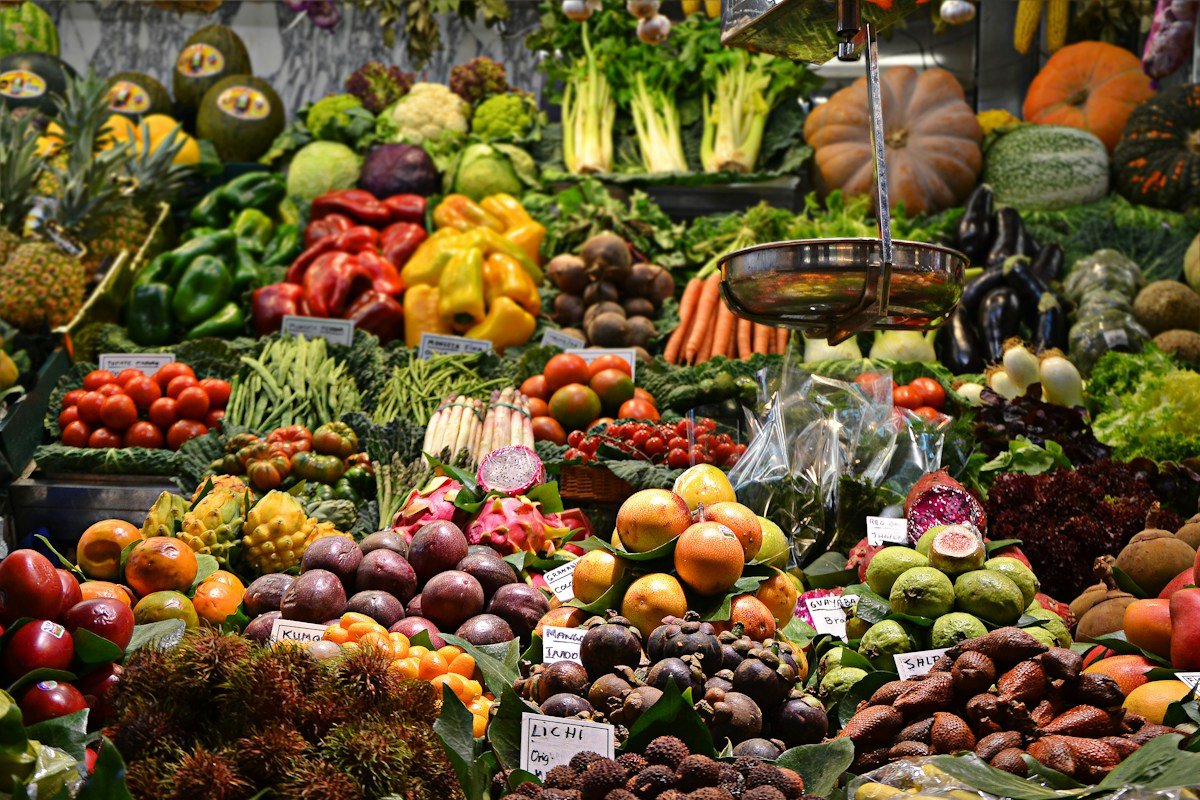
Seasonal eating is one of the oldest and most intuitive approaches to human nutrition, yet it has become increasingly unfamiliar in an era when global supply chains make nearly any fruit or vegetable available year-round regardless of whether local growing conditions support it. The concept is straightforward: eating foods that are in season locally means consuming them at peak freshness, when their nutritional content is highest, their flavor is most developed, their price is typically lower, and their environmental footprint is smaller than out-of-season or imported alternatives.
India’s extraordinarily diverse geography and climate supports a remarkable variety of seasonal produce across its different regions throughout the year. The Indian subcontinent experiences distinct growing seasons influenced by the monsoon, winter, and summer patterns, each yielding its own characteristic fruits and vegetables. The agricultural calendar that traditional Indian communities followed was inherently seasonal, and the regional cuisines that evolved over centuries reflect intimate knowledge of which foods are available, at their best, and nutritionally most valuable during each period of the year.
The nutritional argument for seasonal eating has scientific basis. Research comparing the nutrient content of produce at peak season versus out-of-season and after extended cold storage consistently shows higher concentrations of vitamins, antioxidants, and other phytonutrients in freshly harvested seasonal produce. Vitamin C, for example, is known to decline with extended storage and transit time. Polyphenol concentrations in berries and other fruits are higher at optimal ripeness than in produce harvested early for long-distance transport and artificially ripened.
This guide walks through India’s primary seasonal produce across winter, summer, and monsoon seasons, explaining the nutritional highlights of each season’s offerings, how to incorporate them into everyday cooking for maximum benefit, and why aligning your eating with the natural agricultural calendar is one of the simplest and most effective strategies for accessing optimal nutrition throughout the year.
Winter Season Produce (October to February): India’s Nutritional Peak
India’s winter season, spanning roughly from October through February, is widely regarded as the nutritional goldmine of the Indian agricultural year. The cooler temperatures support the growth of leafy vegetables, root vegetables, and fresh legumes that are among the most nutritionally dense produce categories. The combination of mild weather, reduced pest pressure, and optimal growing conditions results in produce with exceptional flavor and micronutrient content.
Leafy greens proliferate during winter. Fresh methi (fenugreek leaves) is at its most tender and flavorful between November and January, providing iron, folate, calcium, and compounds that support healthy blood sugar regulation. Sarson (mustard greens) are deeply embedded in North Indian winter traditions through sarson ka saag and provide glucosinolates, vitamin K, and calcium. Spinach (palak) reaches its peak nutritional quality during winter, providing folate, magnesium, iron, and lutein in generous concentrations. Bathua (chenopodium), a winter green increasingly recognized for its nutritional density, provides protein, iron, and calcium at levels that compare favorably with more commonly discussed greens.
Fresh green peas (matar) are one of winter’s most beloved seasonal gifts, providing plant protein, fiber, vitamins B1, B6, and C, and the carotenoids lutein and zeaxanthin. Fresh peas bear little nutritional resemblance to the canned or frozen alternatives available year-round, with fresh winter peas providing superior levels of water-soluble vitamins and a flavor that frozen versions cannot replicate. Utilizing fresh matar during their short seasonal window by adding them generously to pulao, curries, chaat, and even dal maximizes their exceptional nutritional contribution.
Winter Root Vegetables: Underground Nutritional Stores
Root vegetables store concentrated nutrition in their underground structures, and India’s winter season provides an abundance of these nutrient-dense foods. Carrots in winter are at their sweetest and most vibrant, and their beta-carotene content, the precursor to vitamin A, is highest when the vegetable is freshly harvested. Gajar ka halwa prepared from fresh winter carrots not only celebrates a seasonal tradition but delivers meaningful beta-carotene, vitamin A, and other carotenoids.
Mooli (white radish) is a distinctively Indian winter vegetable with a long history in regional cuisines from Punjab to Rajasthan to Maharashtra. Rich in vitamin C, folate, and glucosinolates, mooli is consumed raw in salads, cooked in sabzis and parathas, and pickled in achaar. Its peppery bite at peak season reflects the highest concentration of its phytochemicals, which moderate with extended storage or out-of-season growing.
Shalgam (turnip), beet (chukandar), and various types of winter yams provide carbohydrates, fiber, and diverse micronutrients that vary by variety. Sweet potato is a particularly nutritionally valuable winter root, providing exceptional beta-carotene concentrations alongside vitamin B6, potassium, and dietary fiber. Roasted, boiled, or mashed sweet potato incorporated regularly during the winter season provides nutritional value that exceeds ordinary potato substantially.
Citrus Fruits in Winter: Vitamin C Season
Winter is the primary citrus season in India, and the timing could not be more nutritionally logical. As ambient temperatures drop and respiratory infections increase, the peak availability of vitamin C-rich citrus fruits aligns with exactly the period when immune support is most needed. Narangi (mandarin oranges), amla (Indian gooseberry), guava, and various regional citrus varieties all reach their peak simultaneously during the winter months.
Amla (Emblica officinalis) is particularly remarkable for its vitamin C content, providing anywhere from 400 to 600 milligrams per 100 grams fresh, far exceeding most other vitamin C sources. Fresh amla consumed during its winter season provides not only vitamin C but tannins, gallic acid, and other polyphenols that are traditionally associated with immune support, antioxidant protection, and digestive health benefits.
Guava, available from October through March in most Indian regions, provides approximately 228 milligrams of vitamin C per 100 grams along with dietary fiber, folate, and lycopene in pink varieties. Its accessibility, low cost, and exceptional vitamin C content make it one of the most nutritionally valuable winter fruits available to Indian households across income levels. Eating one to two fresh guavas daily during the winter season provides vitamin C amounts that support immune function and collagen synthesis throughout the colder months.
Summer Season Produce (March to June): Cooling and Hydrating Foods
Indian summers, particularly in the pre-monsoon period from April through June, present the body with intense heat and humidity stress in many regions. The produce that naturally grows and matures during this period reflects a remarkable biological alignment with the body’s summer needs: cooling, hydrating foods that support the body’s thermoregulation and prevent dehydration.
Mangoes, India’s most celebrated summer fruit, are nutritionally impressive beyond their celebrated flavor. Ripe mangoes provide beta-carotene, vitamin C, vitamin B6, folate, and pectin fiber. Raw mangoes (kachha aam) provide particularly high vitamin C and are used in traditional cooling preparations including aam panna and raw mango chutney, which simultaneously hydrate and provide micronutrients suited to summer’s nutritional demands.
Cucumbers are at their most refreshing and nutritionally optimal during summer, providing high water content alongside vitamin K, potassium, and cucurbitacins with anti-inflammatory properties. Their high water content makes them natural hydration supporters during the hot months. Similarly, lauki (bottle gourd), tori (ridge gourd), tinda (round gourd), and other summer gourds provide cooling properties alongside meaningful potassium and B vitamin content.
Monsoon Season Produce (July to September): Earthy Flavors and Varied Nutrients
The monsoon season, while bringing abundant rainfall, also brings specific produce that thrives in the humid conditions and that traditional wisdom has recognized as appropriate for the season’s health challenges. Corn (makai) is quintessentially monsoon in India, providing carotenoids, B vitamins, and the eye health-supporting compounds lutein and zeaxanthin. Fresh corn on the cob roasted over a charcoal fire with lime and chili is as much a nutritional experience as it is a cultural one.
Seasonal mushrooms proliferate during the monsoon in many regions, providing vitamin D (when exposed to sunlight), B vitamins including riboflavin and niacin, selenium, and umami flavors that make them valuable culinary and nutritional additions. Wild and cultivated mushrooms including button, oyster, and shiitake varieties each contribute different nutritional compounds that support immune function and overall health.
Indian Seasonal Produce Nutritional Matrix by Season
The following matrix organizes India’s key seasonal produce by season, highlighting their primary nutritional contributions and the most practical ways to maximize their benefit in everyday cooking. Use this as a reference for aligning grocery shopping and meal planning with the agricultural calendar.
| Season | Key Produce | Primary Nutrients | Best Preparations |
|---|---|---|---|
| Winter (Oct-Feb) | Fresh methi | Iron, folate, calcium | Methi dal, parathas, sabzi |
| Fresh peas | Plant protein, vitamin C | Matar paneer, pulao, soup | |
| Amla | Vitamin C 400-600mg/100g | Murabba, chutney, raw | |
| Sweet potato | Beta-carotene, B6, fiber | Roasted, mashed, chaat | |
| Summer (Mar-Jun) | Mango (ripe) | Beta-carotene, vitamin C | Fresh, lassi, amras |
| Cucumber, lauki | Potassium, hydration | Raita, salad, sabzi | |
| Watermelon, litchi | Lycopene, vitamin C | Fresh, juice, fruit bowl | |
| Monsoon (Jul-Sep) | Corn | Lutein, B vitamins | Roasted, soup, bhutta |
| Mushrooms | Vitamin D, selenium | Curry, stir-fry, soup | |
| Jackfruit (raw) | Plant protein, potassium | Kathal sabzi, biryani |
* Nutritional content varies by variety, growing conditions, and preparation method. Seasonal local produce consistently shows higher nutritional quality than out-of-season alternatives in most research contexts.
This seasonal matrix allows for practical meal planning that aligns grocery purchases with the local agricultural calendar, maximizing nutritional value while typically reducing cost and environmental impact simultaneously.
Frequently Asked Questions About Seasonal Eating
Is seasonal eating really nutritionally superior to eating year-round varieties?
Research comparing nutrient content of produce at peak season versus stored or out-of-season produce consistently shows advantages for seasonal fresh produce, particularly for water-soluble vitamins including vitamin C and folate, which degrade with time and storage. Polyphenol concentrations in fruits are highest at optimal natural ripeness compared to artificially ripened or early-harvested produce. The magnitude of differences varies by specific nutrient and produce type, but the overall pattern consistently favors recently harvested seasonal produce.
How can I find out what is in season in my region of India?
The most reliable indicator of local seasonality is your local vegetable market (sabzi mandi), where seasonal produce is most abundant and least expensive during its peak period. Online agricultural resources from ICAR (Indian Council of Agricultural Research) and state agricultural departments provide region-specific seasonal produce information. Traditional family knowledge and community food culture also carry reliable seasonal wisdom developed over generations of local growing.
Does frozen produce retain seasonal nutrition?
Frozen produce is typically flash-frozen within hours of harvest at peak ripeness, which preserves much of the nutritional content that would otherwise decline during extended transport and storage. In some cases, frozen produce may retain higher vitamin concentrations than fresh produce that has been stored for extended periods. For produce outside its local season, high-quality frozen alternatives can be a good nutritional choice, particularly for vegetables like peas, corn, and spinach that freeze well.
Is organic seasonal produce significantly better than conventional?
Organic farming avoids synthetic pesticides and fertilizers, which some research suggests may result in modestly higher polyphenol concentrations in produce as plants produce these compounds partly as natural defense mechanisms when not protected by synthetic pesticides. However, the nutritional differences between organic and conventional produce are generally modest and may not be clinically significant for most people. The decision between organic and conventional is influenced by multiple factors including budget, availability, and personal preferences beyond nutrition alone.
How do I maintain nutritional variety during seasons with limited fresh produce?
In seasons with limited fresh produce variety, preserved seasonal foods including pickles, chutneys, dried fruits, and fermented preparations bridge nutritional gaps while maintaining connection to seasonal ingredients. Dried and powdered forms of seasonal produce such as amla powder, dried methi, and sun-dried tomatoes retain substantial nutrition despite reduced moisture content. Lentils, legumes, and whole grains, which are available year-round, provide consistent nutritional foundations across all seasons.
Why does seasonal produce taste better?
Produce harvested at peak seasonal ripeness develops its full complement of sugars, aromatic compounds, and flavor precursors through the complete natural ripening process. Out-of-season produce is often harvested before full ripeness to allow for transport and extended shelf life, meaning it never develops its complete flavor profile. The sugars and aromatic compounds that make seasonal fruits and vegetables so distinctively flavorful are the same compounds that indicate nutritional completeness, explaining why peak-season produce both tastes better and is more nutritious.
Can I follow a seasonal eating approach on a limited budget?
Seasonal eating is actually one of the most budget-friendly approaches to nutrition because seasonal produce is consistently cheaper when it is most abundant. When markets are flooded with locally grown seasonal produce, prices drop due to supply abundance. Buying seasonal produce from local markets rather than imported out-of-season alternatives typically reduces grocery costs while simultaneously improving nutritional quality. This makes seasonal eating one of the rare dietary approaches that simultaneously benefits both health and household economics.
How does seasonal eating affect gut microbiome health?
Rotating through different types of produce across seasons naturally provides diversity in the types of dietary fiber, prebiotic compounds, and phytonutrients that reach the gut microbiome. Research suggests that microbiome diversity is supported by dietary variety, particularly in plant food types and fiber sources. The natural seasonal variation in produce consumption that results from seasonal eating may therefore support microbiome diversity in ways that year-round reliance on the same limited produce items does not.
Medical Disclaimer: The information in this article is for educational and informational purposes only and is not intended as medical advice. Always consult a qualified healthcare professional before making any changes to your diet, lifestyle, or health routine. Individual results may vary.
Embracing the Seasonal Eating Tradition for Modern Health
India’s rich culinary heritage is built on seasonal eating. The regional cuisines, festival foods, and preservation traditions of Indian culture evolved in direct dialogue with the agricultural calendar, producing a food culture that is inherently seasonal, nutritionally intelligent, and environmentally appropriate. Returning to or maintaining this seasonal wisdom in contemporary eating represents not a sacrifice but an enrichment of both nutritional quality and culinary diversity.
Visiting local produce markets during seasonal peaks, learning the characteristic appearance and flavor of produce at its optimal seasonal moment, and building meal planning around what is currently abundant and fresh are practices that simultaneously support health, local agriculture, environmental sustainability, and the preservation of India’s extraordinary regional food traditions.
For further reading, visit the NIH Office of Dietary Supplements, USDA FoodData Central, National Institute of Nutrition India, WHO Nutrition, Harvard Nutrition Source, and ICMR India.