

Digestive enzymes are proteins produced by the body specifically to break down food into forms that can be absorbed through the intestinal wall and utilized by cells throughout the body. Without these biological catalysts, the complex carbohydrates, proteins, and fats in your food would remain too large to pass through the intestinal barrier, and the nutritional value they contain would be largely unavailable regardless of dietary quality.
The digestive enzyme system is distributed across multiple organs: salivary glands produce amylase to begin carbohydrate digestion in the mouth, the stomach produces pepsin and gastric lipase, the pancreas secretes the primary array of digestive enzymes into the small intestine, and the intestinal lining itself produces brush border enzymes for the final steps of carbohydrate and protein digestion. This coordinated, multi-organ enzyme system represents one of the most elegant digestive architectures in mammalian biology.
Understanding how digestive enzymes work and which foods naturally support or complement enzyme function is practically valuable for anyone experiencing digestive symptoms including bloating, gas, heaviness after meals, undigested food in stools, or irregular bowel function. It is also relevant for optimizing nutrient absorption even in the absence of symptoms, particularly as certain lifestyle factors including aging, chronic stress, and poor dietary quality can reduce endogenous enzyme production over time.
This guide covers the main categories of digestive enzymes and their functions, the physiological factors that influence enzyme production, the natural food sources that contain digestive enzymes or support their endogenous production, and practical dietary strategies for optimizing digestive capacity through food choice and meal habits.
Primary Digestive Enzymes and Their Functions
Amylase is the first digestive enzyme to encounter food, produced in the salivary glands and released into the mouth during chewing. Salivary amylase begins hydrolyzing starch into smaller sugar units (maltose and dextrins) before food even reaches the stomach. Thorough chewing significantly increases the surface area available for amylase activity and provides meaningful head-start carbohydrate digestion. The pancreas produces a more powerful pancreatic amylase that continues carbohydrate digestion in the small intestine. Individuals who eat very quickly and chew minimally miss a significant portion of this initial digestive phase.
Proteases, also called peptidases or proteinases, break down protein molecules into smaller peptides and ultimately individual amino acids that can be absorbed. The stomach produces pepsin (activated from pepsinogen in the presence of stomach acid), which begins protein digestion in the highly acidic gastric environment. The pancreas then produces trypsin, chymotrypsin, elastase, and carboxypeptidases, which continue protein breakdown in the small intestine. The intestinal brush border produces peptidases for final steps. Low stomach acid production, which becomes more common with aging and certain medications, compromises the initial pepsin activation step and can impair overall protein digestion.
Lipase enzymes break down dietary fats (triglycerides) into fatty acids and monoglycerides that can be absorbed. The pancreas is the primary source of lipase for fat digestion in the small intestine. Fat digestion also requires bile, produced by the liver and stored in the gallbladder, which emulsifies fat globules to increase the surface area available for lipase activity. Conditions affecting the pancreas, liver, or gallbladder can significantly impair fat digestion, leading to fat malabsorption with characteristic symptoms including oily or floating stools.
Lactase is the brush border enzyme responsible for breaking down lactose, the primary sugar in milk, into glucose and galactose. Lactase activity is highest in infants and typically declines after early childhood in populations with ancestral traditions of non-dairying, while remaining elevated in populations with long histories of dairy farming. Lactase deficiency leads to lactose intolerance, with characteristic bloating, gas, and diarrhea following dairy consumption.
Factors That Reduce Digestive Enzyme Production
Aging is associated with gradual declines in both stomach acid production and pancreatic enzyme secretion in many individuals. Research suggests that pancreatic enzyme output can decline meaningfully with advancing age, contributing to changes in digestive comfort and nutrient absorption efficiency that many older adults attribute vaguely to digestion becoming more sensitive. Understanding this physiological change provides rational basis for dietary modifications that support enzyme function.
Chronic psychological stress activates the sympathetic nervous system while suppressing parasympathetic activity. Since digestive enzyme production is primarily under parasympathetic control through the vagus nerve, chronic stress reduces the stimulation of enzyme secretion. Eating while stressed, hurried, or distracted also reduces the cephalic phase response, the anticipatory digestive activation triggered by seeing, smelling, and tasting food, which normally stimulates significant pre-production of saliva, stomach acid, and digestive enzymes before food even arrives.
Proton pump inhibitors and H2 receptor antagonists, commonly used for acid reflux and stomach ulcers, reduce stomach acid production. Since stomach acid is required to activate pepsin from its precursor pepsinogen, these medications can impair protein digestion at the gastric phase. Extended use of acid suppression medications has been associated with increased risk of various nutritional deficiencies, partly through this enzyme activation mechanism and partly through acid’s role in releasing protein-bound minerals from food.
Pineapple and Bromelain: A Natural Protease
Pineapple contains bromelain, a complex mixture of protease enzymes concentrated in both the fruit and the stem. Bromelain has been studied for its ability to support protein digestion when consumed with protein-containing meals and has demonstrated anti-inflammatory properties when absorbed systemically. Fresh pineapple provides active bromelain, while canned or heat-processed pineapple has had its bromelain denatured by the high-temperature processing and is therefore enzymatically inactive.
Including fresh pineapple as a digestive in the traditional sense, either after meals or alongside protein-rich preparations, leverages its natural protease activity. Pineapple raita or fresh pineapple served with dal or meat dishes represents an intuitive combination that has functional basis in bromelain’s protein-digesting capacity. The natural sweetness of pineapple also makes it appealing as a palate cleanser that simultaneously provides digestive support.
Papaya and Papain: The Tropical Digestive
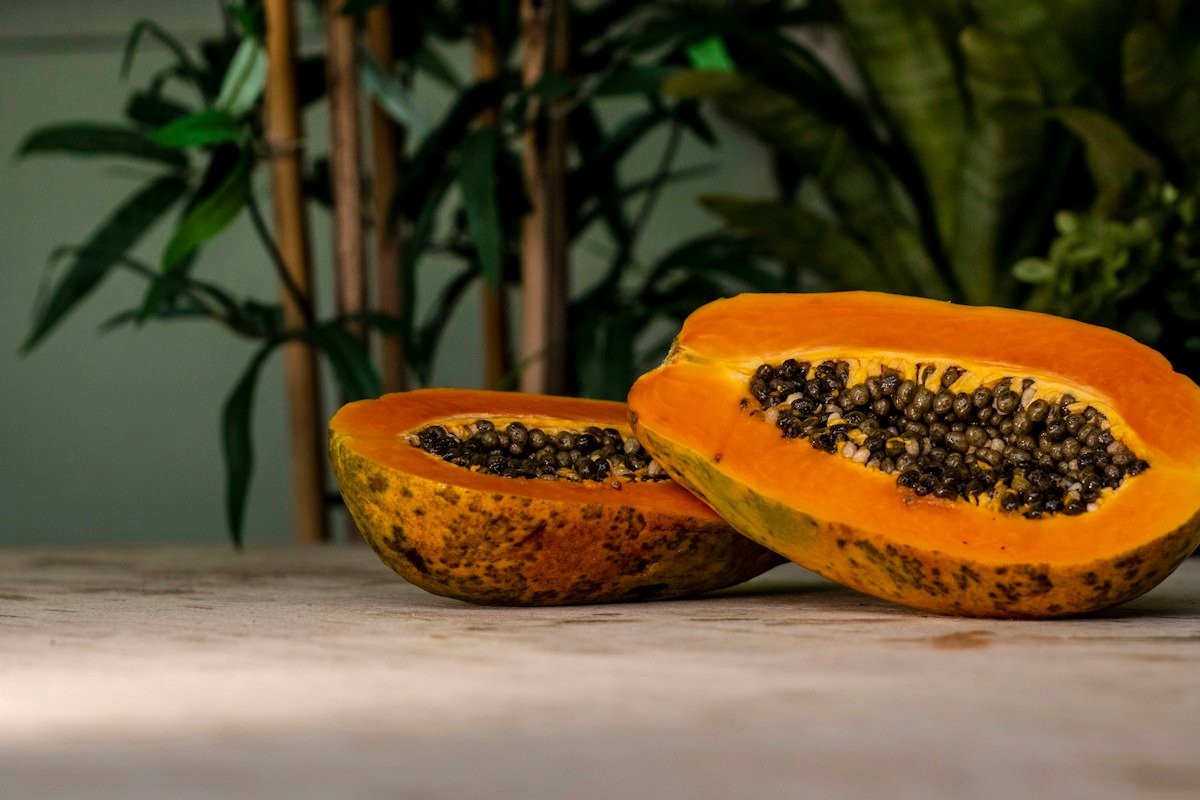
Papaya contains papain, another natural protease enzyme that functions across a wider pH range than many animal-derived proteases, meaning it remains active throughout multiple stages of digestion. Papain has been used traditionally and studied clinically for its role in supporting protein digestion and has been incorporated into commercial enzyme preparations and meat tenderizers for its powerful protein-breaking properties.
Fresh raw papaya provides significantly more active papain than ripe papaya, which has lower but still meaningful enzyme activity. The raw papaya sabzi preparation common in Indian cuisine, particularly in eastern and southern India, provides direct exposure to active papain enzymes. Ripe papaya as a breakfast fruit or dessert provides more modest but still relevant papain activity alongside its rich beta-carotene, vitamin C, and lycopene content.
Raw Honey: Amylase and Digestive Enzymes from Bees
Raw, unprocessed honey contains amylase, invertase, protease, and other enzymes produced by bees during honey production. The thermal processing used to produce commercial pasteurized honey inactivates these enzymes, making raw honey a categorically different product from a functional enzyme perspective. Raw honey also contains diverse probiotic bacteria and antioxidant compounds that contribute to its traditionally attributed digestive support properties.
Using small amounts of raw honey as a sweetener in warm (not hot) preparations, in homemade chaas or lassi, or in digestive tonics preserves its enzyme activity. Adding raw honey to very hot preparations destroys its enzymatic content, making the temperature of incorporation an important consideration for maximizing its functional value.
Fermented Foods: Enzyme Production Through Microbial Activity
During fermentation, the microorganisms involved produce various enzymes as part of their metabolic activity. Lacto-fermented vegetables, fermented dairy products, miso, and other fermented preparations contain both pre-formed digestive enzymes and microorganisms that produce enzymes within the digestive system. The fermentation process itself also partially pre-digests the foods, breaking down some of the compounds that make raw legumes and grains difficult to digest including phytic acid and certain complex sugars.
Idli and dosa batter fermented overnight undergoes significant starch pre-digestion and reduction of anti-nutritional factors through the activity of lactic acid bacteria, making these fermented preparations easier to digest than equivalent amounts of unfermented rice and lentils. This is one physiological explanation for why traditionally fermented Indian breakfast preparations are often described as lighter on digestion than their unfermented equivalents despite comparable caloric content.
Digestive Enzymes and Natural Food Sources Comparative Matrix
The following matrix maps the primary digestive enzymes to their main food sources, the substrates they act upon, and practical ways to incorporate enzyme-supporting foods into everyday Indian meals.
| Enzyme | Found In | Substrate / Function | Indian Food Application |
|---|---|---|---|
| Bromelain | Fresh pineapple | Protein digestion | Raita, fresh as dessert |
| Papain | Raw/ripe papaya | Broad-spectrum protein digestion | Raw papaya sabzi, breakfast |
| Amylase (food) | Raw honey, mango, banana | Starch digestion | Raw honey in warm drinks |
| Lactase (support) | Fermented dairy (dahi) | Lactose pre-digestion | Dahi, chaas daily |
| Microbial enzymes | Fermented foods generally | Multiple substrates | Idli, dosa, pickle, kanji |
| Protease (support) | Ginger (zingibain) | Protein breakdown support | Fresh ginger in every meal |
| Lipase (support) | Raw, unprocessed coconut | Fat digestion support | Coconut chutney, fresh coconut |
| Peroxidase, catalase | Raw vegetables, sprouts | Antioxidant, digestive support | Salads, sprout chaat |
* Food-derived enzyme activity is supplementary to endogenous enzyme production. Adequate chewing and relaxed eating remain foundational for optimal digestion.
Frequently Asked Questions About Digestive Enzymes
Do digestive enzyme supplements work?
Digestive enzyme supplements have documented efficacy for specific conditions where endogenous enzyme production is impaired. Pancreatic enzyme replacement therapy is highly effective for pancreatic insufficiency. Lactase supplements meaningfully support those with lactose intolerance. Broad-spectrum enzyme supplements are widely used but have more variable evidence for individuals with generally healthy digestion. For those experiencing persistent digestive symptoms, identifying the underlying cause rather than assuming general enzyme deficiency is the appropriate first step, ideally through consultation with a gastroenterologist or registered dietitian.
Does cooking destroy food-based digestive enzymes?
Yes, heat above approximately 47 degrees Celsius denatures most food-derived enzymes, rendering them inactive. This means that the enzymatic activity of foods like papaya, pineapple, raw honey, and fresh ginger is only available when consumed raw or unheated. Cooking these foods for culinary preparation destroys their enzyme content, though they retain their other nutritional attributes including vitamins, minerals, and phytonutrients. Raw preparations, smoothies, and fresh fruit consumption preserve enzyme activity.
Can eating too fast reduce digestion?
Significantly. Adequate chewing is essential for initiating salivary amylase activity and physically breaking down food into smaller particles with greater surface area for enzyme contact. Fast eating bypasses much of this initial digestive phase. Additionally, the cephalic phase of digestion, triggered by sensory engagement with food, stimulates pre-production of stomach acid and digestive enzymes. Eating hurriedly while distracted substantially reduces this preparatory response. Practicing mindful, unhurried eating with thorough chewing is one of the most accessible and effective digestive strategies available.
What are signs of poor digestive enzyme production?
Signs that may indicate insufficient digestive enzyme production include persistent bloating and gas after meals, heavy or uncomfortable fullness after eating, partially undigested food visible in stools, floating or oily stools suggesting fat malabsorption, and general fatigue after meals rather than the mild, temporary fullness of good digestion. These symptoms are non-specific and have many potential causes, making professional evaluation important before attributing them specifically to enzyme insufficiency.
How does ginger support digestion?
Ginger contains zingibain, a protease enzyme, alongside gingerols and shogaols that stimulate digestive motility through effects on gastrointestinal smooth muscle. Ginger has been shown to accelerate gastric emptying, reduce nausea, and stimulate bile and digestive enzyme production through its effects on the enteric nervous system. Fresh ginger incorporated into meals, ginger tea, or fresh ginger juice taken before meals may support multiple aspects of digestive function simultaneously.
Do raw vegetables provide digestive enzymes?
Raw plant foods contain enzymes that were part of the plant’s own metabolic processes, including various oxidative enzymes and some hydrolytic enzymes. However, the specific enzymes that human digestion requires, such as amylase, protease, and lipase, are not present in meaningful quantities in most vegetables. The primary digestive benefit of raw vegetables comes from their fiber content, water content, and their stimulation of chewing and digestive juice production rather than from plant-derived enzymes specifically.
Is there a connection between gut bacteria and digestive enzymes?
Yes, a significant one. The gut microbiome produces a diverse array of enzymes that complement endogenous human digestive enzymes. Gut bacteria produce cellulases that help break down plant cell walls, various carbohydrases that digest complex plant polysaccharides humans cannot digest independently, and other metabolic enzymes that process food components throughout the large intestine. Supporting gut microbiome diversity through varied fiber intake and fermented food consumption therefore indirectly enhances the overall digestive enzyme capacity available within the gastrointestinal system.
Can apple cider vinegar help with digestion?
Apple cider vinegar contains acetic acid and small amounts of enzymes from the fermentation process. Some people report improved digestive comfort when consuming diluted apple cider vinegar before meals, potentially through its acidity complementing stomach acid and stimulating digestive juice production. However, clinical evidence for this effect in healthy individuals is limited. For those with diagnosed low stomach acid, the acidity of diluted ACV may provide some complementary support, but this should be discussed with a healthcare provider, particularly for those on medications or with gastric conditions.
Medical Disclaimer: The information in this article is for educational and informational purposes only and is not intended as medical advice. Always consult a qualified healthcare professional before making any changes to your diet, lifestyle, or health routine. Individual results may vary.
Practical Daily Habits for Optimal Digestive Enzyme Function
Supporting optimal digestive enzyme function requires consistency in both dietary choices and eating habits. Chewing food thoroughly, eating in a relaxed and unhurried manner, including enzyme-rich raw foods where appropriate, maintaining a diverse microbiome through fiber and fermented food consumption, and managing chronic stress through sustainable practices all contribute to optimizing digestive capacity. These habits, practiced daily, create the conditions for effective nutrient extraction from the food you eat, which is ultimately as important as the quality of the food itself.
Further reading: American Gastroenterological Association, PubMed Research, NIN India, WHO Nutrition, Harvard Gut Microbiome, and ICMR India.