
Antibiotics represent one of the most important medical advances of the twentieth century, saving countless lives from bacterial infections that were previously potentially fatal. However, their life-preserving benefits come with a significant and frequently underappreciated side effect: the disruption of the gut microbiome. Because antibiotics work by killing bacteria, and because they cannot distinguish beneficial resident gut bacteria from the pathogenic bacteria causing infection, virtually every course of antibiotic therapy causes collateral damage to the complex microbial ecosystem of the digestive tract.
The gut microbiome, comprising trillions of microorganisms including bacteria, archaea, fungi, and viruses, performs essential functions that extend far beyond digestion. It produces vitamins including B12 and K2, metabolizes certain drugs, trains and modulates the immune system, produces neurotransmitter precursors, maintains intestinal barrier integrity, and competes with pathogenic organisms for resources in ways that provide colonization resistance. When antibiotics substantially reduce this microbial community, these functions are compromised temporarily and sometimes for extended periods.
Research using culture-independent sequencing methods has revealed that gut microbiome composition can remain significantly altered for months to over a year following a single course of broad-spectrum antibiotics, particularly for certain bacterial species that are slow to recolonize. The clinical implications of this prolonged dysbiosis include increased susceptibility to opportunistic infections such as Clostridioides difficile overgrowth, persistence of antibiotic-associated diarrhea, altered drug metabolism, and potential downstream effects on immune function and metabolic health.
Understanding how to strategically support microbiome recovery during and after antibiotic therapy through targeted dietary choices is therefore practically important for anyone taking antibiotics. This guide provides an evidence-informed dietary protocol for supporting gut microbiome restoration following antibiotic therapy.
How Antibiotics Alter the Gut Microbiome
The magnitude of antibiotic-induced microbiome disruption varies considerably based on the spectrum of the antibiotic, its route of administration, and the duration of treatment. Broad-spectrum antibiotics that act against both gram-positive and gram-negative bacteria cause the most extensive microbial disruption, while narrow-spectrum antibiotics targeting specific bacterial classes produce more focused effects. Oral antibiotics generally cause greater gut microbiome disruption than parenteral (intravenous) antibiotics because oral antibiotics are directly present in the gut lumen and achieve high local concentrations against resident bacteria.
Studies using 16S ribosomal RNA sequencing to characterize gut microbiome composition before and after antibiotic treatment consistently show dramatic reductions in overall microbial diversity, with some bacterial phyla showing 90 percent or greater reductions in abundance within days of treatment initiation. Bacteroidetes and Firmicutes, the two phyla that normally dominate the healthy adult gut microbiome, typically show significant disruption, while Proteobacteria, which includes many potentially opportunistic species, may transiently expand in the altered ecological environment.
Particularly vulnerable to antibiotic-induced depletion are the obligate anaerobes that dominate the large intestine and perform critical functions including butyrate production, competitive exclusion of pathogens, and immune modulation. These species are often slow to return after antibiotic exposure and may require several months to approach pre-treatment abundances, even with supportive dietary practices.
When to Start the Recovery Protocol
Gut microbiome recovery support should ideally begin at the same time as antibiotic therapy rather than after completing the course. During antibiotic treatment, dietary choices that minimize additional microbiome stress while providing nutritional support for recovery can reduce the extent of dysbiosis and accelerate subsequent recovery. The recovery diet continues for at least four to twelve weeks after antibiotic completion, with individual duration depending on the duration and spectrum of the antibiotic and the appearance of digestive symptoms.
Taking probiotic supplements during antibiotic therapy requires timing considerations. Since antibiotics will kill many probiotic bacteria if they encounter them in the gut at overlapping times, probiotic supplements are most effective when taken at maximum temporal separation from antibiotic doses. If antibiotics are taken morning and evening, probiotics taken at midday will encounter lower antibiotic concentrations. This timing strategy maximizes probiotic survival and colonization capacity during active antibiotic therapy.
Probiotic Foods During Recovery: The Indian Advantage
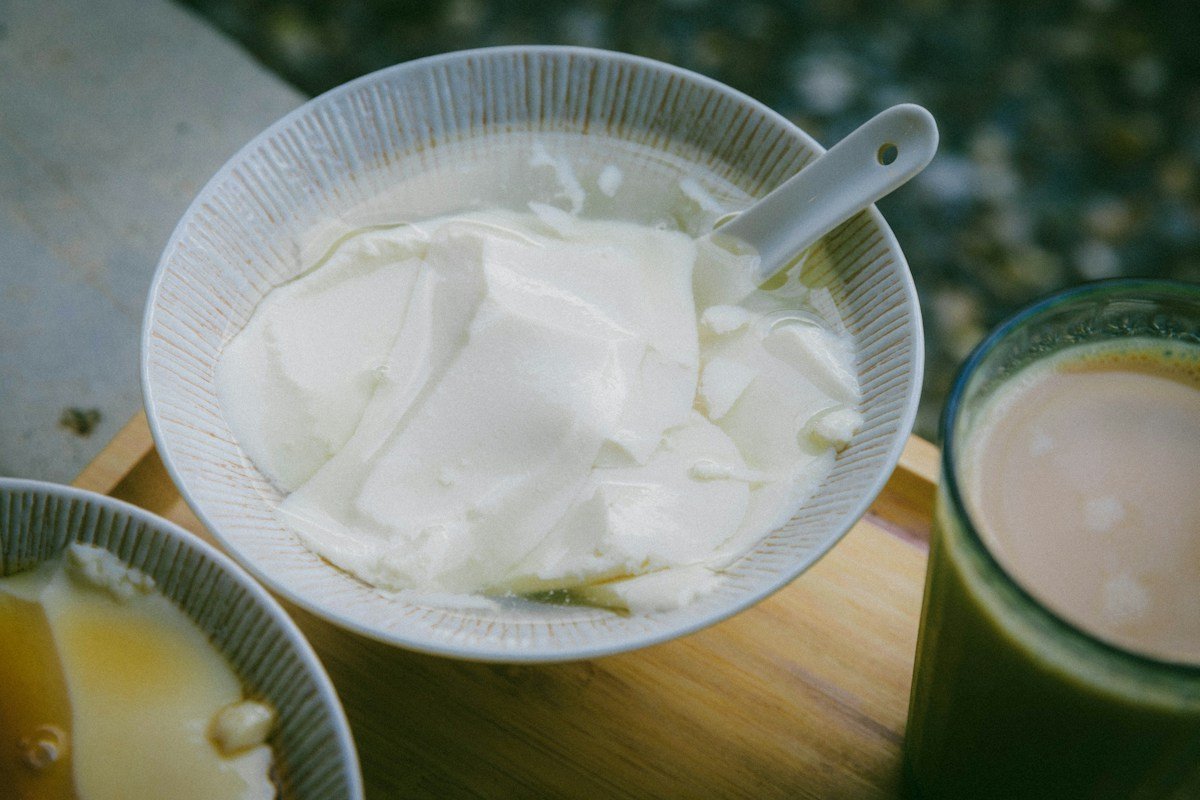
India’s fermented food tradition provides an exceptional dietary toolkit for gut microbiome recovery. Dahi prepared from live cultures contains Lactobacillus and sometimes Bifidobacterium species that provide direct microbiome replenishment. Chaas and lassi provide diluted but live cultures alongside their protein and electrolyte content. Idli and dosa batters fermented overnight provide live lactic acid bacteria that contribute to the gut microbial environment during recovery.
Kanji, a traditional North Indian fermented beverage made from black carrots or other vegetables in mustard water, provides diverse fermentation-associated bacteria alongside the prebiotic fiber of the vegetable base. Gundruk and sinki in northeastern India, fermented kohlrabi and radish preparations, provide similar benefits. The diversity of fermented preparations across Indian regional cuisines means that accessing culturally familiar probiotic foods during recovery is straightforward for most households.
Clinical evidence supports the value of probiotic-rich food consumption during and after antibiotic therapy. A Cochrane systematic review found that Lactobacillus and Saccharomyces boulardii-containing preparations significantly reduced the risk of antibiotic-associated diarrhea. While this review was primarily based on probiotic supplement studies, fermented foods containing live cultures provide similar organisms and may offer additional benefits through their accompanying prebiotic components and diverse phytochemicals.
Prebiotic Foods: Feeding the Recovering Microbiome
Prebiotics are dietary fibers and other compounds that selectively feed and support the growth of beneficial gut bacteria. After antibiotic-induced depletion, providing abundant prebiotic substrates supports the proliferation of remaining and recolonizing beneficial bacteria, accelerating microbiome diversification and functional recovery.
Fructooligosaccharides (FOS) and inulin, found in garlic, onions, asparagus, and Jerusalem artichokes, selectively feed Bifidobacterium species that are important components of a healthy gut microbiome. Galactooligosaccharides (GOS) found in legumes and certain dairy products support Lactobacillus and Bifidobacterium growth. Resistant starch, found in cooked-and-cooled rice, potatoes, and legumes, reaches the colon and provides fermentable substrate for a broad range of beneficial bacteria.
During antibiotic therapy and immediately after, starting with smaller amounts of high-prebiotic foods and gradually increasing is sensible because the disrupted microbiome may initially lack sufficient bacteria to effectively ferment large prebiotic amounts without producing excess gas and bloating. Building up gradually over one to two weeks after completing antibiotics allows the recovering microbiome to adapt.
Foods to Limit During Microbiome Recovery
During microbiome recovery, several dietary factors can slow recovery or create additional challenges for the recovering microbial ecosystem. High intake of added sugars and refined carbohydrates supports the expansion of less beneficial bacterial and fungal species including Candida that may opportunistically expand in the disrupted post-antibiotic environment. Ultra-processed foods often contain emulsifiers and preservatives that research suggests may inhibit beneficial bacterial growth or alter mucus layer composition.
Alcohol consumption, even moderate amounts, has been shown to alter gut microbiome composition in ways that favor less beneficial species and increase intestinal permeability. Avoiding alcohol during the active recovery period reduces this additional challenge to microbiome restoration. Red meat in large amounts may slow recovery due to its effects on microbiome composition, though moderate portions are not problematic in an otherwise diverse, plant-rich dietary context.
Antibiotic Recovery Dietary Protocol Matrix
This matrix outlines a structured dietary approach for supporting gut microbiome recovery during and after antibiotic therapy, organized by phase and food type.
| Phase | Key Foods to Include | Foods to Limit | Indian Examples |
|---|---|---|---|
| During antibiotics | Live culture dahi, easily digestible foods, well-cooked vegetables | Alcohol, high-sugar foods, raw high-fiber foods in excess | Khichdi, plain dahi, boiled vegetables, rice |
| Week 1 post-antibiotics | Fermented foods, gentle prebiotics, soft-cooked legumes | Processed foods, alcohol, very high-fiber foods | Dahi, chaas, moong dal khichdi, banana |
| Weeks 2-4 | Diverse plant foods, resistant starch, varied fermented foods | Minimize ultra-processed foods | All dal varieties, fresh vegetables, idli-dosa |
| Month 2 onwards | Full diversity of plant foods, daily fermented foods, rich fiber intake | Maintain low ultra-processed food intake | Full varied Indian diet with daily dahi or chaas |
| Throughout recovery | Adequate hydration, stress management, good sleep | Sleep deprivation, chronic stress, excess alcohol | Warm water, herbal teas, consistent sleep schedule |
* Recovery timelines are approximate and individual. More complex antibiotic courses may require longer recovery periods. Consult a healthcare provider for personalized guidance.
Frequently Asked Questions About Gut Recovery After Antibiotics
How long does it take for the gut microbiome to fully recover after antibiotics?
Recovery timelines vary considerably based on the antibiotic’s spectrum and duration, individual baseline microbiome composition, and dietary practices during recovery. Most studies show significant microbiome disruption persisting for 4 to 8 weeks after completing a single antibiotic course, with some bacterial species taking 6 months or longer to fully restore. A 2018 Cell study showed that certain microbiome members had not recovered to pre-antibiotic composition even 6 months post-treatment in some individuals. Supportive dietary practices meaningfully accelerate recovery.
Should I take probiotics during or after antibiotics?
Probiotic supplementation during antibiotic therapy reduces the risk of antibiotic-associated diarrhea with good evidence for Lactobacillus rhamnosus GG and Saccharomyces boulardii specifically. If taking probiotics during antibiotic therapy, timing them at maximum separation from antibiotic doses maximizes their survival. Continuing probiotics for at least 4 weeks after completing antibiotics supports microbiome recolonization. Fermented foods containing live cultures provide complementary benefits and are appropriate to continue indefinitely as a regular dietary habit.
Why do antibiotics sometimes cause diarrhea?
Antibiotic-associated diarrhea occurs through several mechanisms. Disruption of the gut microbiome reduces the competitive suppression of opportunistic organisms, allowing some to expand. Clostridioides difficile overgrowth is the most concerning potential cause, producing toxins that damage the intestinal lining and cause significant diarrhea in vulnerable individuals. Antibiotics may also directly alter gut motility and the osmotic balance in the colon. If diarrhea during or after antibiotics is severe, bloody, or accompanied by fever, prompt medical evaluation is important to rule out C. difficile infection.
Are some antibiotics more damaging to the gut microbiome than others?
Yes, significantly. Broad-spectrum antibiotics including ciprofloxacin, clindamycin, and amoxicillin-clavulanate cause more extensive microbiome disruption than narrow-spectrum options. Clindamycin in particular is highly associated with C. difficile-associated diarrhea due to its potent disruption of the normal microbiome that provides colonization resistance. When antibiotics are clinically necessary, using the narrowest-spectrum antibiotic appropriate for the specific infection minimizes collateral microbiome damage while effectively treating the infection.
Can I eat yogurt during antibiotic treatment?
Yes, consuming yogurt with live cultures during antibiotic therapy is beneficial and generally safe. Live culture dahi consumed at times separated from antibiotic doses by at least 2 hours provides probiotic organisms that can help maintain some microbiome function despite antibiotic disruption. Some research suggests that certain antibiotic-probiotic combinations may interact, but fermented foods like dahi are generally considered compatible with antibiotic therapy and beneficial for minimizing associated digestive disruption.
What is Clostridioides difficile and why is it a concern after antibiotics?
Clostridioides difficile (C. diff) is a spore-forming bacterium normally present in very small quantities in the healthy gut, where it is suppressed by competitive exclusion from the normal microbiome. When antibiotics substantially reduce the normal microbiome, C. diff can opportunistically expand and produce toxins that damage the colon lining, causing potentially severe diarrhea, abdominal cramping, and fever. Recurrent C. diff infection is a serious and increasingly prevalent clinical problem, particularly in healthcare settings and in individuals who have received multiple antibiotic courses. Fecal microbiota transplantation has emerged as an effective treatment for recurrent C. diff infection.
How does diet affect the speed of microbiome recovery?
Diet is one of the most powerful modifiable factors influencing microbiome recovery rate and trajectory after antibiotics. Diets high in diverse plant fibers, fermented foods, and minimal ultra-processed content support faster recolonization with beneficial bacteria and more rapid restoration of microbiome diversity. A 2022 study published in Cell Host & Microbe demonstrated that dietary fiber intake significantly influenced the rate of microbiome recovery and the specific bacterial communities that reestablished post-antibiotic treatment.
Should children follow a different recovery protocol?
Children’s gut microbiomes are more dynamic and arguably more resilient than adult microbiomes but also more critical during developmental windows when microbiome establishment influences long-term immune and metabolic programming. Post-antibiotic recovery for children should emphasize age-appropriate fermented foods, diverse fruit and vegetable intake, and probiotic supplementation with strains shown to be safe and effective in pediatric populations. Parental guidance from a pediatrician or pediatric dietitian is valuable for children who require multiple antibiotic courses or who show persistent digestive symptoms after treatment.
Medical Disclaimer: The information in this article is for educational and informational purposes only and is not intended as medical advice. Always consult a qualified healthcare professional before making any changes to your diet, lifestyle, or health routine. Individual results may vary.
The Long View on Antibiotic Use and Gut Health
Antibiotics are invaluable when genuinely needed for bacterial infections. The goal is neither to avoid antibiotics when they are clinically indicated nor to minimize their use through excessive caution, but rather to use them appropriately and to support gut health recovery effectively when they are necessary. Building a robustly diverse and resilient gut microbiome through consistent daily dietary habits, including abundant plant diversity, regular fermented food consumption, and minimal ultra-processed food intake, creates the best microbiome foundation for recovering from the inevitable disruptions that antibiotic treatment produces.
Further reading: American Gastroenterological Association, PubMed Research, NIN India, WHO Nutrition, Harvard Gut Microbiome, and ICMR India.