

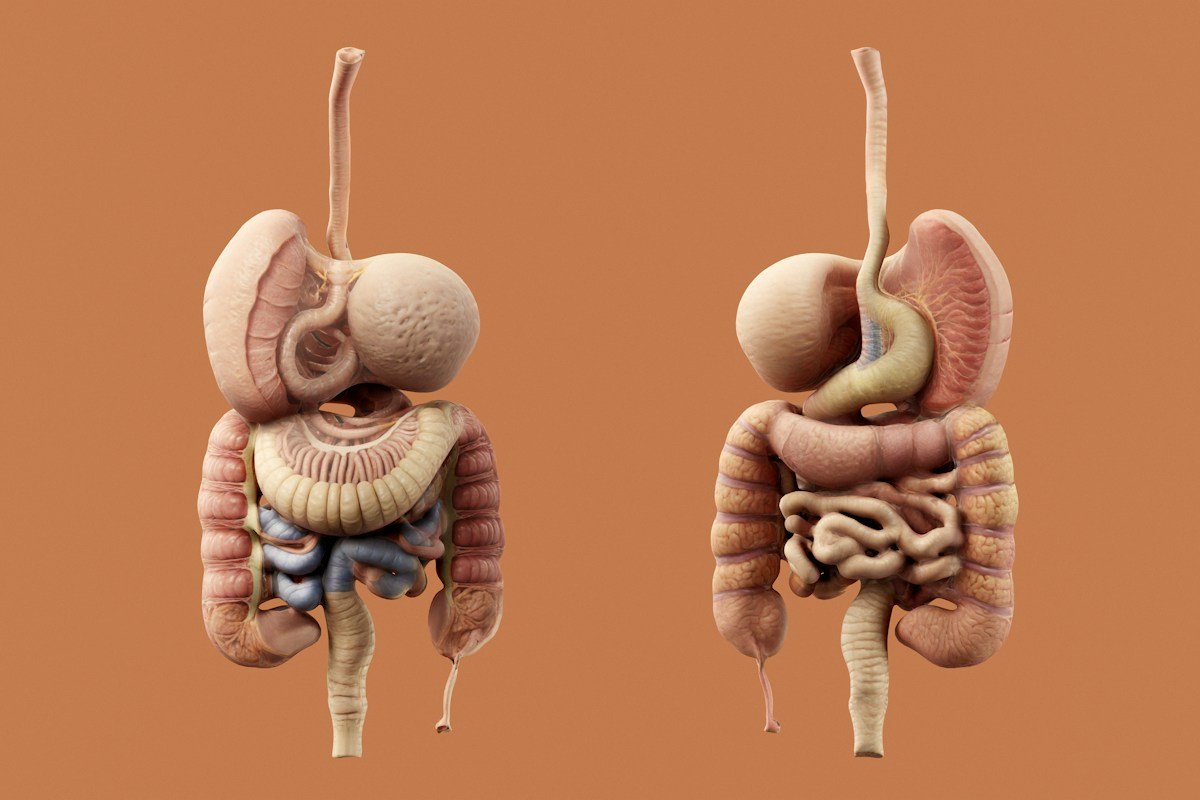
Small intestinal bacterial overgrowth, commonly abbreviated as SIBO, is a condition in which bacteria that normally reside predominantly in the large intestine proliferate in excessive numbers within the small intestine, where they should be present in much smaller concentrations. This bacterial overgrowth in the wrong location disrupts the small intestine’s primary function of digesting and absorbing nutrients, leading to a characteristic constellation of digestive symptoms that can significantly impair quality of life.
The small intestine normally maintains relatively low bacterial counts, typically less than 100,000 colony-forming units per milliliter of intestinal fluid, through multiple defense mechanisms: gastric acid kills many ingested bacteria before they reach the small intestine, regular migrating motor complex contractions sweep residual bacteria and food debris toward the colon between meals, bile acids have antimicrobial properties, and secretory immunoglobulin A provides immune surveillance. When any of these protective mechanisms are impaired, conditions can favor bacterial overgrowth in the small intestinal environment.
SIBO is considered an underdiagnosed condition because its symptoms, including bloating, gas, abdominal distension, irregular bowel habits, and nutrient malabsorption, overlap extensively with irritable bowel syndrome, food intolerances, and other common digestive conditions. Estimates of SIBO prevalence vary widely depending on the diagnostic criteria and population studied, but prevalence rates of 30 to 85 percent have been reported in IBS populations, suggesting that SIBO may underlie a significant portion of cases diagnosed as IBS.
This guide examines the dietary strategies that nutritional science and clinical practice support for managing SIBO, with particular emphasis on approaches that are practical within the context of Indian dietary culture while supporting both symptom management and the conditions for SIBO resolution under medical supervision.
How SIBO Develops and Who Is at Risk
SIBO develops when the normal protective mechanisms of the small intestine are compromised in ways that allow bacteria from the colon or oral cavity to proliferate in the small intestinal environment. Understanding the contributing factors is essential for both treatment and prevention of recurrence.
Impaired gastric acid production is one of the most common underlying factors, as stomach acid represents the first line of defense against ingested bacteria reaching the small intestine. Conditions including atrophic gastritis, H. pylori infection, and long-term use of proton pump inhibitors all reduce gastric acid production and increase the bacterial load reaching the small intestine with each meal. Age-related decline in gastric acid production is a contributing factor to the increased prevalence of SIBO in older adults.
Dysmotility, or impaired gut movement patterns, is another major contributing mechanism. The migrating motor complex (MMC), which generates housekeeping contractions that sweep the small intestine clean between meals, depends on normal enteric nervous system function. Conditions impairing MMC function, including diabetes with autonomic neuropathy, hypothyroidism, scleroderma, post-infectious changes, and the use of certain medications including opioids, all predispose to small intestinal bacterial accumulation. Structural abnormalities including small intestinal diverticula, surgical adhesions, strictures, and prior gut surgery can create stagnant pockets where bacteria accumulate.
Primary Symptoms and Their Nutritional Mechanisms
SIBO symptoms reflect the downstream consequences of bacteria performing fermentation in the wrong location. When bacteria in the small intestine encounter dietary carbohydrates before normal absorption occurs, they ferment these substrates and produce gas including hydrogen and in some individuals methane, causing the bloating and gas that are hallmark SIBO symptoms. Unlike colonic fermentation, which is normal and produces short-chain fatty acids with beneficial effects, small intestinal fermentation occurs before carbohydrate absorption is complete and causes symptoms rather than benefits.
Nutrient malabsorption is a significant consequence of SIBO. Bacteria competing with intestinal cells for nutrients, producing compounds that damage intestinal villi, and generating bile acid deconjugation that impairs fat absorption all contribute to potential deficiencies in fat-soluble vitamins (A, D, E, K), vitamin B12 (directly consumed by bacteria), and iron. The pattern of nutrient depletion in SIBO can cause anemia, bone metabolism concerns, and other manifestations of micronutrient deficiency that may puzzle clinicians not considering SIBO as an underlying cause.
Low-FODMAP Dietary Approach for SIBO Symptom Management
The low-FODMAP diet was originally developed by researchers at Monash University in Australia for IBS management but has been adopted in SIBO management for its ability to reduce the fermentable substrate available to small intestinal bacteria. FODMAPs are Fermentable Oligosaccharides, Disaccharides, Monosaccharides, and Polyols, specific types of carbohydrates that are rapidly fermented by bacteria and poorly absorbed in the small intestine even under normal conditions.
Restricting high-FODMAP foods reduces the substrate available for bacterial fermentation in the small intestine, thereby reducing gas production and the associated bloating, distension, and discomfort. However, the low-FODMAP diet is a temporary symptom management strategy rather than a treatment for the underlying bacterial overgrowth. It does not address the root cause of SIBO and should be used as a short-term dietary tool in conjunction with appropriate medical treatment, not as a long-term dietary framework.
High-FODMAP foods that are commonly identified as triggers in SIBO include wheat, garlic, onions, apples, pears, dairy containing lactose, legumes in unmodified form, and various sweeteners. In the context of Indian diets, this initially seems very restrictive given the central role of wheat rotis, dal preparations from legumes, and garlic-onion-based masalas in traditional cooking. However, appropriate food preparation and food choice within Indian culinary tradition can substantially reduce FODMAP load.
Practical Low-FODMAP Modifications in Indian Cooking
Adapting low-FODMAP principles to Indian cooking requires understanding which traditional preparations are naturally lower in FODMAPs and which modifications reduce FODMAP content. Rice is naturally low-FODMAP and can replace wheat-based preparations during the low-FODMAP phase. Rice rotis, rice-based idli and dosa, and plain rice as the grain component of meals are all appropriate low-FODMAP choices.
Garlic-infused oil provides garlic flavor without the fructans (FODMAPs) that are water-soluble and would leach into cooking when using whole garlic. Frying garlic cloves in oil and then removing the solid garlic before cooking imparts flavor without the fermentable compounds. Similarly, the green portions of spring onions are low-FODMAP while the white bulb portions are high-FODMAP, allowing the use of scallion tops for flavor with lower FODMAP contribution.
Canned and drained legumes have lower FODMAP content than home-cooked legumes from dried beans because the soaking and draining process removes a proportion of the water-soluble oligosaccharides. Starting with smaller portions of well-rinsed canned legumes rather than large portions of home-cooked legumes may allow for some pulse inclusion with fewer symptoms during the management phase.
The Elemental Diet Approach
The elemental diet, consisting of pre-digested nutrients in the form of amino acids, simple sugars, and medium-chain triglycerides that are absorbed very early in the small intestine before bacteria can ferment them, has been used as a two-week intensive intervention for SIBO in clinical research, showing effectiveness comparable to antibiotic treatment in some studies. The practical challenges of an entirely elemental diet make it primarily a clinical intervention rather than a practical home strategy, but understanding the underlying principle, reducing fermentable substrate reaching the mid-to-distal small intestine, informs the broader dietary approach.
SIBO Management Dietary Strategies Comparative Matrix
This matrix compares key dietary strategies used in SIBO management, their mechanisms, practical implementation in an Indian dietary context, and important considerations for each approach.
| Strategy | Mechanism | Indian Implementation | Key Considerations |
|---|---|---|---|
| Low-FODMAP phase | Reduces fermentable substrate | Rice over wheat, garlic-infused oil, spring onion tops | Temporary only, 4-6 weeks max |
| Spacing meals (no snacking) | Supports MMC between meals | 3 structured meals, avoid constant grazing | Critical for motility recovery |
| Ginger in meals | Stimulates gut motility | Fresh ginger in all dals, curries, chai | Very compatible with Indian cooking |
| Prokinetic foods | Support MMC function | Ginger tea between meals, light meals | Avoid heavy late meals |
| Adequate stomach acid | Antimicrobial barrier | Apple cider vinegar (diluted), lemon water before meals | Not for those with GERD or ulcers |
| Avoid very high-fiber diet acutely | Reduces excess fermentation substrate | Limit raw salads, beans during flares | Gradually reintroduce after treatment |
| Adequate hydration | Supports motility | Warm water, herbal teas, light chaas | Avoid excess during meals |
* SIBO requires medical diagnosis and often medical treatment. Dietary strategies are supportive and should be implemented alongside appropriate medical care.
Frequently Asked Questions About SIBO
How is SIBO diagnosed?
The most widely used clinical test for SIBO is the hydrogen and methane breath test, which measures gases produced by bacterial fermentation of a test substrate (typically lactulose or glucose) in the small intestine. Elevated hydrogen suggests hydrogen-producing bacterial overgrowth, while elevated methane suggests methanogen-predominant SIBO, which has somewhat different clinical characteristics. Small intestinal aspirate culture remains the gold standard but is invasive and rarely used clinically. If you suspect SIBO, consultation with a gastroenterologist is appropriate for proper diagnosis.
What is the difference between SIBO and IBS?
IBS (Irritable Bowel Syndrome) is a clinical diagnosis based on symptom criteria (the Rome IV criteria) in the absence of structural pathology. SIBO is a physiological diagnosis based on demonstrated bacterial overgrowth in the small intestine. The relationship between the two is complex: many individuals diagnosed with IBS may have underlying SIBO contributing to their symptoms, and treating SIBO in these individuals may resolve or improve IBS symptoms. However, not all IBS has SIBO as a cause, and SIBO can occur without meeting full IBS diagnostic criteria. Overlap between the two is significant and increasingly recognized.
Can SIBO cause food intolerances?
Yes. Bacterial overgrowth in the small intestine can cause apparent food intolerances through multiple mechanisms. Bacterial fermentation of carbohydrates before normal absorption produces symptoms (gas, bloating) after eating carbohydrate-rich foods that can be misinterpreted as carbohydrate intolerances. Bacterial damage to brush border enzymes including lactase can cause secondary lactose intolerance. Bacterial consumption of vitamin B12 can cause deficiency-related symptoms. Addressing underlying SIBO through appropriate medical treatment sometimes resolves apparent food intolerances that were secondary to the bacterial overgrowth.
Does intermittent fasting help with SIBO?
Structured meal timing with adequate fasting periods between meals supports the migrating motor complex, the housekeeping contractions that sweep the small intestine between eating episodes. Continuous grazing or frequent small meals can impair MMC function by perpetually stimulating the fed state and suppressing the between-meal fasting contractions. Eating structured meals with at least 4 to 5 hours between eating occasions rather than continuous snacking may support the motility aspect of SIBO management. However, extreme fasting protocols should be discussed with healthcare providers in the context of individual health status.
Are probiotics helpful or harmful in SIBO?
The use of probiotics in SIBO is genuinely debated in clinical literature. Some research suggests that certain probiotic strains may worsen hydrogen or methane levels in SIBO, while other research shows benefits for symptom reduction. The concern is that adding more bacteria when overgrowth is already the problem could theoretically worsen the situation. However, specific strains including Saccharomyces boulardii (a yeast rather than a bacterium) and certain well-characterized Lactobacillus strains appear to provide benefits without worsening bacterial overgrowth. Discuss probiotic use specifically with a healthcare provider managing SIBO diagnosis and treatment.
What is methane-dominant SIBO?
Methane-dominant SIBO (also called intestinal methanogen overgrowth or IMO) involves overgrowth of methanogen archaea, primarily Methanobrevibacter smithii, rather than conventional bacteria. Methanogens consume hydrogen produced by other microorganisms and produce methane. Elevated methane on breath testing is associated with constipation-predominant bowel habits rather than the diarrhea more typical of hydrogen-dominant SIBO. Treatment approaches differ between hydrogen and methane-dominant presentations, with different antibiotic combinations or herbal antimicrobial protocols sometimes used. Proper breath testing distinguishes the two types.
Can SIBO recur after treatment?
SIBO recurrence is common and represents a significant clinical challenge. Recurrence rates of 40 to 60 percent within one year of successful treatment have been reported in some studies. Recurrence typically occurs because the underlying predisposing factor, whether impaired motility, low stomach acid, structural abnormalities, or other causes, has not been adequately addressed. Effective long-term SIBO management requires identifying and treating the root cause predisposing to bacterial overgrowth alongside treating the overgrowth itself. Ongoing dietary and lifestyle modifications that support motility and gastric acid production contribute to reducing recurrence risk.
Is there an SIBO-specific Indian diet that works?
An SIBO-appropriate Indian diet during the management phase can be built around: rice as the primary grain (replacing wheat rotis temporarily), well-tolerated dals in moderate portions beginning with moong dal which is generally lower in FODMAPs, green leafy vegetables that are individually assessed for tolerance, firm tofu or paneer for protein, ginger and turmeric in cooking for their digestive and anti-inflammatory properties, and fermented preparations used cautiously and individually assessed. The goal is to identify the specific foods within Indian culinary tradition that your individual gut tolerates during the management phase, which varies between individuals, and then gradually reintroduce broader dietary variety as symptoms resolve and treatment addresses the underlying overgrowth.
Medical Disclaimer: The information in this article is for educational and informational purposes only and is not intended as medical advice. Always consult a qualified healthcare professional before making any changes to your diet, lifestyle, or health routine. Individual results may vary.
SIBO Management as a Medical and Dietary Collaboration
SIBO management is most effective when dietary strategies are implemented in collaboration with appropriate medical care that addresses the underlying cause of bacterial overgrowth. Dietary modifications alone can reduce symptoms and support the conditions for resolution, but they typically do not treat the bacterial overgrowth itself. Working with a gastroenterologist and a registered dietitian with experience in SIBO ensures that both the medical and nutritional dimensions of management are appropriately addressed for your specific situation.
Further reading: American Gastroenterological Association, PubMed Research, NIN India, WHO Nutrition, Harvard Gut Microbiome, and ICMR India.