

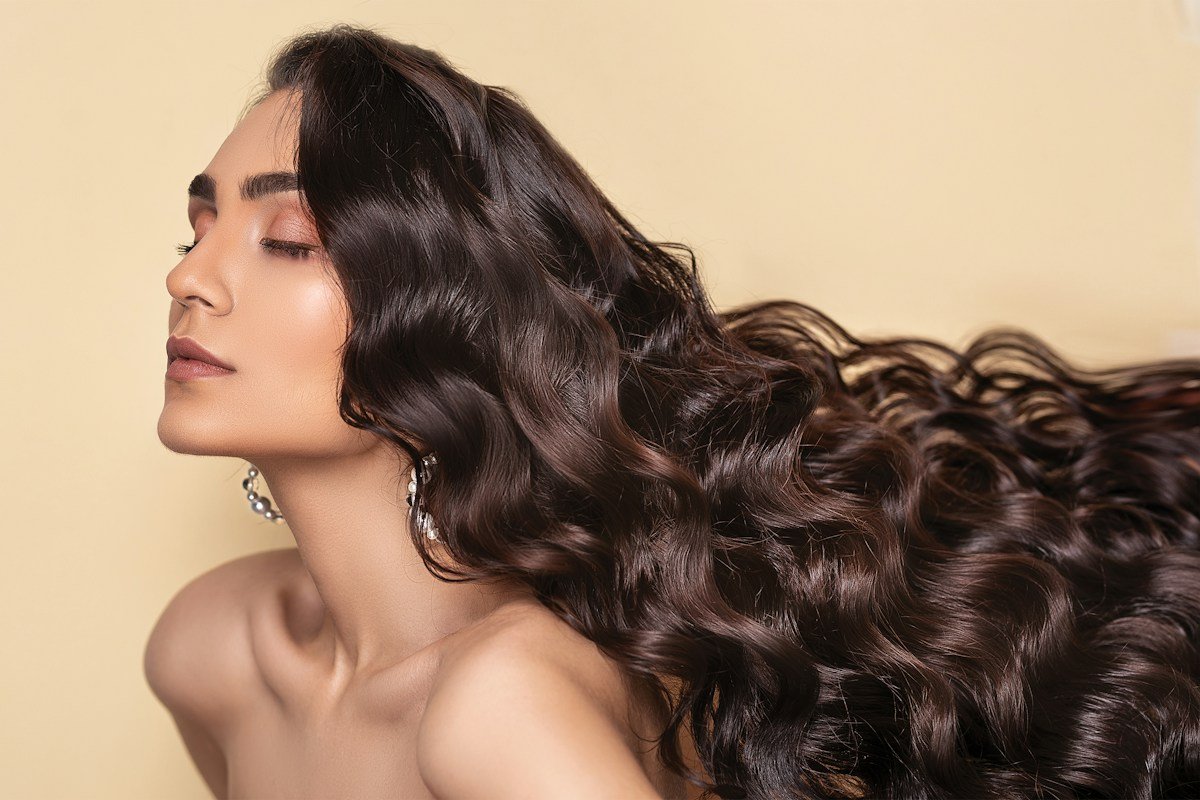
Hair loss in women is a topic that receives far less attention than male pattern baldness despite being remarkably common and significantly impactful on self-perception and quality of life. Research suggests that approximately one-third of women experience some degree of hair loss or thinning at some point in their lives, with prevalence increasing substantially after menopause. Unlike the stereotyped image of dramatic frontal recession common in male baldness, women’s hair loss often presents as diffuse thinning across the crown, a widening part line, or a reduction in overall hair density that may take months or years to become visually apparent.
Nutritional deficiencies are among the most common and frequently overlooked contributors to hair loss in women in India. The hair follicle is one of the most metabolically active structures in the human body, and because it is not essential for survival, the body readily redirects nutrients away from hair growth in favor of vital organs during periods of nutritional insufficiency. This biological prioritization means that nutritional deficits may manifest first and most visibly in hair health, making the hair an early warning system for underlying nutritional inadequacies.
Understanding which specific nutritional deficiencies are most commonly associated with female hair loss, how to identify whether nutrition is contributing to your specific hair loss pattern, which dietary strategies best address nutritional contributors to thinning, and when professional evaluation becomes necessary provides the practical knowledge needed to take an evidence-informed approach to supporting hair health from within.
This guide focuses specifically on the nutritional dimensions of hair loss in women, the most relevant micronutrients for hair follicle function, the dietary strategies that support healthy hair growth cycles, and the limitations of dietary approaches for conditions where other factors are primary drivers.
The Hair Growth Cycle and Why Nutrition Matters
Understanding why nutrition influences hair growth requires a basic understanding of the hair growth cycle. Each hair follicle independently cycles through three main phases: the anagen (active growth) phase, which lasts 2 to 6 years for scalp hair; the catagen (transition) phase, lasting about 2 to 3 weeks; and the telogen (resting/shedding) phase, lasting approximately 3 months. Normally, 85 to 90 percent of scalp hairs are in anagen at any given time, with 10 to 15 percent in telogen and a small percentage in catagen.
Nutritional insufficiency can affect hair growth through several mechanisms. Severe caloric restriction or protein insufficiency can trigger telogen effluvium, a condition in which a large proportion of hairs prematurely enter the telogen phase and are shed approximately 3 months after the nutritional insult. This explains why hair loss following a crash diet or period of illness typically appears 2 to 4 months after the stressful period rather than immediately. Micronutrient deficiencies in iron, zinc, and biotin can impair the rapid cell division required in the anagen phase, leading to slower growth and increased shedding.
Importantly, nutritional inadequacies that affect hair may not cause clinical symptoms in other body systems, making hair loss one of the most sensitive indicators of suboptimal nutritional status. Blood test parameters considered within normal range for systemic health purposes may still be insufficient for optimal hair follicle function, a concept that requires clinical nuance and individual assessment.
Iron: The Most Common Nutritional Cause of Hair Loss in Women
Iron deficiency, with or without frank anemia, is the most prevalent nutritional contributor to hair loss in women globally and particularly in India, where iron deficiency anemia remains highly prevalent especially among women of reproductive age. Studies have demonstrated that women with unexplained diffuse hair thinning show significantly higher rates of iron deficiency than matched controls without hair loss, even when hemoglobin levels remain in the normal range.
Hair follicles contain the enzyme ribonucleotide reductase, which requires iron as an essential cofactor for the rapid cell division that occurs during the anagen growth phase. When iron stores are depleted, this enzyme’s activity is reduced, slowing the synthesis of DNA needed for follicle cell proliferation and extending the catagen transition phase. The result is shorter anagen phases, more follicles entering telogen prematurely, and increased shedding with reduced regrowth rate.
Serum ferritin, which reflects iron storage rather than circulating iron, is a more sensitive marker of hair follicle-relevant iron status than hemoglobin. Several studies suggest that ferritin levels should be above 40 to 70 nanograms per milliliter for optimal hair growth support, even if hemoglobin remains within the normal reference range. A ferritin level that is technically normal by laboratory reference standards may still be suboptimal for hair growth purposes, making this a test worth discussing specifically in the context of hair loss evaluation.
Dietary strategies for improving iron status include increasing consumption of iron-rich foods: animal sources including meat and chicken liver provide heme iron with high bioavailability of approximately 20 to 25 percent. Plant sources including spinach, methi, lobia (black-eyed peas), rajma, horse gram, and bajra provide non-heme iron with lower bioavailability of 2 to 5 percent, which can be significantly improved by consuming these foods alongside vitamin C-rich ingredients like lemon juice, amla, or tomatoes in the same meal.
Zinc Deficiency and Hair Loss
Zinc plays direct roles in hair follicle structure and function, required for the activity of multiple enzymes involved in hair protein synthesis, cell division, and follicle tissue repair. Zinc deficiency is associated with a specific pattern of hair loss characterized by diffuse thinning, dry and brittle hair texture, and sometimes scalp inflammation. In severe zinc deficiency, the characteristic clinical presentation includes not only hair loss but also poor wound healing, immune impairment, and changes in taste and smell.
In India, zinc deficiency is common particularly among vegetarians and those consuming predominantly plant-based diets, because plant-based zinc is less bioavailable than animal-sourced zinc due to phytic acid binding. Including zinc-rich plant foods with appropriate preparation techniques (soaking legumes, sprouting seeds) alongside variety in protein sources helps maintain adequate zinc status for hair follicle support.
Protein: The Structural Building Block of Hair
Hair is composed of approximately 95 percent protein, specifically a family of structural proteins called keratins. Adequate dietary protein intake is therefore a fundamental prerequisite for hair growth, as hair follicles cannot synthesize the keratin they require without sufficient amino acid availability. The essential amino acids, particularly cysteine, methionine, and lysine, are directly incorporated into keratin structure and must be provided through diet since the body cannot synthesize them.
Chronic inadequate protein intake, which may occur in restrictive diets, elderly individuals with poor appetite, and those following poorly planned plant-based diets without adequate variety and complementary protein combination, can result in diffuse hair thinning and increased shedding as the body downregulates non-essential protein use including hair growth in favor of vital structural and functional proteins.
In the Indian context, the combination of lentils and rice, or dal and roti, consumed together provides complementary amino acid profiles that together approach complete protein nutrition. Including eggs, dairy, or legume varieties with higher protein concentrations like moong and masoor helps ensure adequate essential amino acid availability for hair follicle function. Adults generally need approximately 0.8 to 1 gram of protein per kilogram of body weight daily, with some evidence that modestly higher intakes around 1.2 to 1.6 grams per kilogram may further support metabolically active tissues including hair.
Biotin, Vitamin D, and Other Relevant Micronutrients
Biotin (vitamin B7) has become perhaps the most marketed supplement for hair loss, generating enormous consumer spending despite evidence that biotin supplementation is only clearly beneficial for hair loss in those with confirmed biotin deficiency, which is uncommon in most populations eating varied diets. Biotin is found in eggs (particularly yolks), nuts, seeds, sweet potatoes, and legumes, and biotin deficiency is primarily seen in those consuming large quantities of raw egg whites (which contain avidin that blocks biotin absorption) or those with specific rare metabolic disorders. For most women experiencing hair thinning, biotin supplementation without confirmed deficiency is unlikely to produce meaningful results.
Vitamin D deficiency, however, is genuinely common and has documented associations with hair loss patterns including alopecia areata. Vitamin D receptors are present in hair follicle cells, and vitamin D appears to support the anagen phase initiation. Serum 25-hydroxyvitamin D levels below 20 nanograms per milliliter are associated with several types of hair loss in research. In India, despite abundant sunlight, vitamin D deficiency is paradoxically prevalent due to sun avoidance, darker skin requiring longer sun exposure for vitamin D synthesis, indoor lifestyles, and air pollution reducing UV penetration. Vitamin D-rich foods including fatty fish, eggs, and fortified dairy alongside adequate sun exposure support optimal levels.
Nutritional Deficiencies and Hair Loss Comparative Matrix
This matrix summarizes the primary nutritional contributors to hair loss in women, their roles in hair follicle biology, relevant assessment tests, and dietary strategies for addressing each nutrient within an Indian dietary context.
| Nutrient | Hair Role | Deficiency Pattern | Key Indian Food Sources |
|---|---|---|---|
| Iron (ferritin) | Cell division in follicle | Diffuse thinning, shedding increase | Liver, methi, rajma, lobia + vitamin C |
| Zinc | Keratin synthesis, tissue repair | Diffuse thin, brittle texture | Pumpkin seeds, cashews, sesame (soaked) |
| Protein | Keratin building block | Diffuse thinning, slow growth | Dal+rice combination, eggs, dairy, paneer |
| Vitamin D | Anagen phase support | Associated with multiple loss types | Fatty fish, eggs, fortified dairy, sunlight |
| Omega-3 (ALA/EPA/DHA) | Scalp anti-inflammation | Scalp inflammation, poor density | Flaxseed, walnuts, fatty fish |
| Biotin (B7) | Keratin infrastructure | Only if genuinely deficient | Eggs, nuts, sweet potato, legumes |
| Vitamin C | Collagen synthesis, iron absorption | Fragile hair, poor follicle health | Amla, guava, lemon, tomatoes |
* Nutritional causes represent one category of hair loss contributors. Professional evaluation is important to identify non-nutritional causes including hormonal conditions, autoimmune alopecia, and genetic pattern baldness which require different management approaches.
Frequently Asked Questions About Hair Loss in Women
How can I tell if my hair loss is nutritional or hormonal?
Nutritional hair loss typically presents as diffuse thinning across the scalp with overall reduced density rather than a specific pattern. It is often associated with a history of restrictive eating, recent illness, significant dietary changes, or prolonged periods of poor variety in food intake. Hormonal hair loss, including androgenetic alopecia in women, typically shows a characteristic pattern of thinning at the crown and widening of the part line with preservation of the frontal hairline. Alopecia areata presents as distinct circular patches. Blood tests measuring ferritin, zinc, vitamin D, thyroid function, and relevant hormones are the appropriate next step for differentiating contributors. A dermatologist or trichologist can assess the pattern and recommend appropriate testing.
How much hair loss per day is normal?
Normal daily hair shedding ranges from 50 to 100 hairs per day, with significant individual variation. Shedding above this range sustained over several months constitutes telogen effluvium and warrants investigation. Seasonal variation in shedding is normal, with many people noting increased autumn shedding. After significant stress events, illness, pregnancy, or hormonal changes, temporarily elevated shedding for several months is expected as the telogen effluvium resolves. Counting hairs shed from brushing, in the shower drain, and on pillows provides a rough self-assessment.
Can a vegetarian or vegan diet cause hair loss?
A poorly planned vegetarian or vegan diet can predispose to hair loss through deficiencies in iron, zinc, protein, vitamin B12, and vitamin D, all of which are either absent or less bioavailable in plant foods. A well-planned vegetarian diet that attends to these specific nutrients through strategic food choices, appropriate food preparation techniques, and careful meal combinations can maintain adequate nutrition for hair health without requiring animal products. Vegans typically benefit from supplementation with vitamin B12 and vitamin D and should pay particular attention to zinc and omega-3 adequacy.
Do hair supplements actually work?
The evidence for commercially marketed hair supplement products is highly variable. Supplements addressing confirmed nutritional deficiencies (replacing iron in iron-deficient women, vitamin D in deficient individuals) show measurable benefits. Broad-spectrum hair supplements marketed to all women without regard to their individual nutritional status have much weaker evidence, with most clinical trials showing modest results that are difficult to attribute to specific ingredients. Rather than beginning with supplements, having blood tests to identify actual deficiencies and addressing confirmed gaps through diet first (and supplements when diet is insufficient) is the more evidence-aligned approach.
How long does it take for dietary changes to improve hair loss?
The hair growth cycle means that changes in nutritional status take several months to translate into visible hair density improvement. After addressing nutritional deficiencies, it typically takes 3 to 6 months for reduced shedding to become apparent and 6 to 12 months for meaningful visible improvement in density. This timeline reflects the time required for iron stores to replete, for new anagen hairs to grow sufficiently to be visible, and for the telogen effluvium cycle to complete. Premature discontinuation of dietary improvements due to impatience before this timeline is a common reason for perceived lack of effect.
Is scalp massage useful for hair growth?
Research on scalp massage for hair growth shows promising but preliminary results. A small Japanese study found that 4 minutes of standardized scalp massage daily over 24 weeks was associated with increased hair thickness compared to baseline, potentially through mechanical stimulation of dermal papilla cells. Scalp massage is safe and may improve scalp circulation, making it a reasonable addition to hair care without risk. However, it addresses a mechanical rather than nutritional mechanism and should be considered complementary to, not substitutive for, nutritional optimization.
Can crash dieting cause hair loss?
Yes. Crash dieting, particularly very low calorie diets providing less than 1,200 calories daily or diets severely restricting protein, commonly triggers telogen effluvium. The body perceives severe caloric restriction as a physiological stressor and redirects metabolic resources away from non-essential processes including hair growth. Hair loss typically begins 2 to 4 months after the dietary restriction starts, creating a confusing temporal disconnect for people who may have returned to normal eating by the time shedding becomes apparent. Gradual, moderate caloric restriction for weight management that maintains adequate protein and micronutrient intake minimizes hair loss risk compared to extreme restriction.
Should I see a dermatologist for hair loss?
Yes, consulting a dermatologist or trichologist is valuable for women experiencing notable hair loss or thinning because the appropriate management depends on correctly identifying the specific type and cause. Pattern hair loss, alopecia areata, telogen effluvium, traction alopecia from hairstyling, and scalp conditions causing hair loss all require different approaches. Blood tests to evaluate nutritional status, thyroid function, hormonal profile, and inflammatory markers provide the information needed for targeted rather than generic management. Starting with a professional evaluation rather than self-treating avoids the lost time and resources that can result from addressing the wrong cause.
Medical Disclaimer: The information in this article is for educational and informational purposes only and is not intended as medical advice. Always consult a qualified healthcare professional before making any changes to your skincare or health routine. Individual results may vary.
Comprehensive Nutrition for Hair Health: A Long-Term Commitment
Nutritional support for hair health is a long-term commitment that yields results over months rather than weeks. The most effective approach combines adequate protein through daily balanced meals, strategic attention to iron, zinc, and vitamin D through appropriate food choices and preparation techniques, anti-inflammatory omega-3 fatty acids, and consistent vitamin C intake to support iron absorption and collagen synthesis. These dietary habits, maintained consistently, create the nutritional environment that the hair follicle requires to maintain healthy growth cycles throughout life.
References: American Academy of Dermatology, PubMed Research Database, NIN India, WHO, Harvard Nutrition Source, and Dermatology Times.