

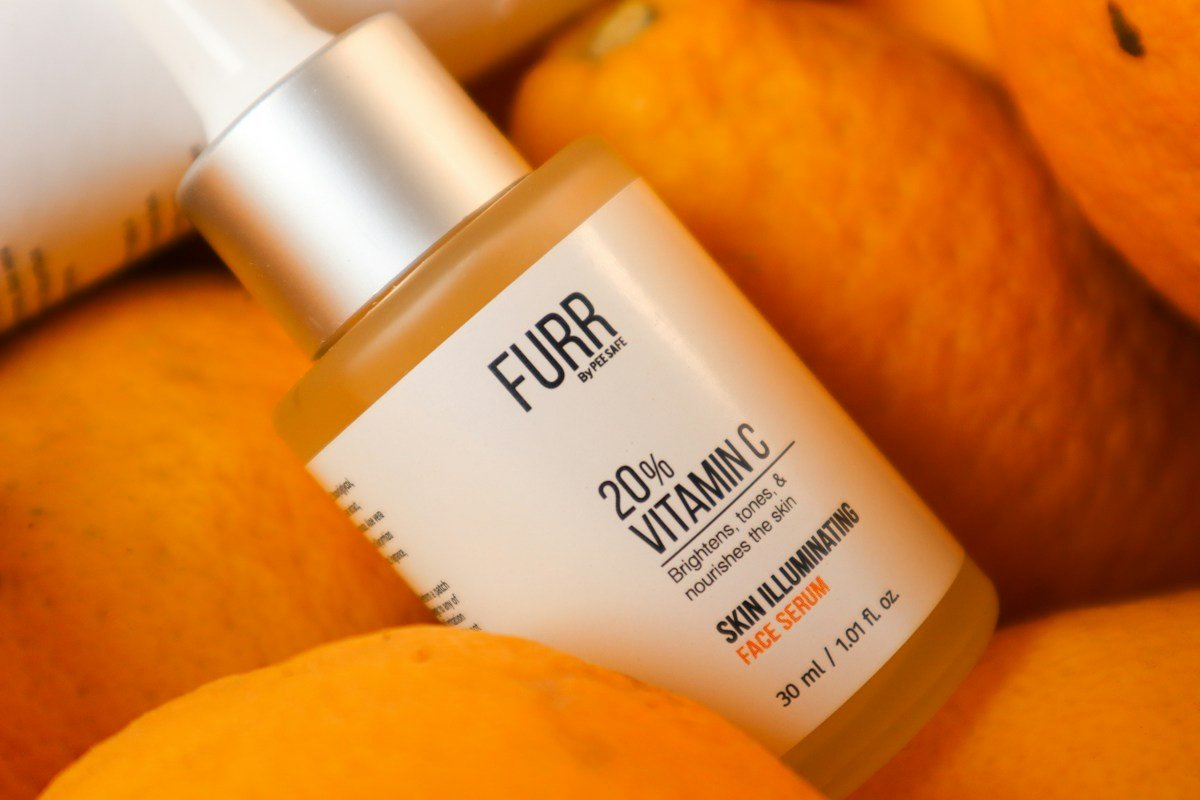
Vitamin C serum has become one of the most discussed and widely used products in modern skincare, and for good reason. L-ascorbic acid, the biologically active form of vitamin C that functions in most high-quality serums, performs a remarkable combination of skin-beneficial functions that address multiple concerns simultaneously: brightening, antioxidant protection, collagen synthesis stimulation, and hyperpigmentation reduction. Few single skincare ingredients offer this breadth of documented benefits backed by substantial clinical research.
For Indian skin tones, which span a wide range but frequently deal with post-inflammatory hyperpigmentation, sun-induced uneven tone, and oxidative stress from environmental pollution, vitamin C serum has particular relevance. The Fitzpatrick skin phototypes common across the Indian subcontinent, ranging from type III through type VI, are more prone to melasma, post-acne dark spots, and other forms of dyspigmentation because melanocytes in deeper skin tones are more reactive to inflammatory and UV stimuli. Vitamin C’s documented ability to interrupt melanin synthesis pathways at multiple points makes it mechanistically well-suited to address these specific concerns.
However, vitamin C serum is also one of the most misused skincare products. Its chemistry is complex, its formulations vary enormously in stability and efficacy, and its application requires specific techniques and sequencing to maximize benefits while avoiding potential irritation. Understanding the science behind vitamin C in skincare, how to select an effective product, how to introduce it appropriately, and what realistic expectations look like allows for informed, effective use rather than the frustration that results from poorly formulated products or inappropriate application.
This guide covers the mechanisms of vitamin C’s action in skin, formulation considerations for efficacy, step-by-step application guidance, timeline for visible results, how to layer it with other skincare products, and practical troubleshooting for common challenges including skin sensitivity and product oxidation.
How Vitamin C Works in Skin: The Mechanisms
Vitamin C functions in the skin through several distinct but interconnected mechanisms, each contributing to the visible benefits associated with consistent use. Understanding these mechanisms clarifies why formulation matters, why patience is necessary for visible results, and why vitamin C is considered a foundational skincare ingredient rather than a trendy optional addition.
As an antioxidant, L-ascorbic acid directly neutralizes free radicals generated by UV exposure, environmental pollution, and normal cellular metabolic processes. Free radicals are unstable molecules that damage proteins, lipids, and DNA within skin cells, accelerating structural aging and compromising barrier function. By donating electrons to neutralize these reactive species, vitamin C interrupts oxidative damage at the cellular level. This function is particularly relevant in urban Indian environments where air pollution generates substantial oxidative load on skin throughout the day.
Vitamin C is an essential cofactor for prolyl hydroxylase and lysyl hydroxylase, enzymes that are required for the hydroxylation of proline and lysine during collagen biosynthesis. Without adequate vitamin C, the collagen triple helix structure cannot form properly, resulting in structurally weak collagen that breaks down more rapidly. Topical vitamin C therefore supports the production of higher-quality collagen, contributing to improved skin firmness, reduced fine lines over time, and maintained structural integrity of the dermis.
Regarding hyperpigmentation, vitamin C inhibits tyrosinase, the rate-limiting enzyme in melanin synthesis, reducing the production of eumelanin and phaeomelanin in melanocytes. Additionally, vitamin C reduces oxidized melanin intermediates back to lighter forms, providing a dual lightening mechanism. This makes it effective for both preventing new pigmentation and gradually fading existing hyperpigmentation when used consistently.
Understanding Vitamin C Formulations: Stability and Efficacy
Not all vitamin C serums are created equal, and formulation quality is one of the most critical determinants of whether a product will actually deliver its marketed benefits. L-ascorbic acid (LAA), the purest form of vitamin C, is highly bioactive but also highly unstable. It oxidizes rapidly when exposed to air, light, and heat, turning from clear or pale yellow to orange and eventually brown as it degrades. Oxidized vitamin C not only loses its beneficial properties but may be mildly pro-oxidant and could theoretically cause skin irritation.
For LAA serums to be effective, they require specific formulation conditions. Research by Dr. Sheldon Pinnell, whose work at Duke University established much of the foundational science of topical vitamin C, showed that L-ascorbic acid penetrates skin most effectively at concentrations between 10 to 20 percent and at a pH below 3.5. This high acidity is necessary for skin penetration but is also the primary reason vitamin C serums can cause stinging or irritation, particularly on sensitive skin or when first introducing the product.
Vitamin C derivatives including sodium ascorbyl phosphate, ascorbyl glucoside, magnesium ascorbyl phosphate, and ascorbyl tetraisopalmitate are more stable alternatives that convert to L-ascorbic acid after skin penetration. These derivatives are less acidic and generally better tolerated by sensitive skin, though evidence for their efficacy relative to LAA is somewhat more variable and generally shows lower potency for brightening and collagen stimulation per unit concentration.
Selecting a Vitamin C Serum: What to Look For
When selecting a vitamin C serum, several formulation features indicate a higher quality, more effective product. Look for concentrations between 10 and 20 percent for L-ascorbic acid formulations, as below 10 percent lacks efficacy while above 20 percent significantly increases irritation risk without proportionate benefit increases. The inclusion of vitamin E (tocopherol) alongside vitamin C creates a synergistic combination, as vitamin E regenerates oxidized vitamin C and the combination provides more comprehensive antioxidant protection than either alone. Ferulic acid further stabilizes both vitamins C and E and adds its own antioxidant activity.
Packaging is a critical but frequently overlooked quality indicator. LAA serums require opaque or dark packaging and tight-seal applicators to minimize air and light exposure. Clear glass bottles with dropper openings allow oxygen contact with the product surface at every use, accelerating oxidation. Products in airless pump packaging or opaque dark bottles with minimal air exposure maintain stability significantly longer.
For Indian consumers, products stored in rooms without consistent air conditioning during summer months face accelerated oxidation due to heat. Refrigerating vitamin C serum significantly extends its usable life and maintains efficacy. The product’s color is the simplest quality indicator: clear to light yellow is fresh and active, orange or amber indicates moderate oxidation and reduced efficacy, while brown signals significant degradation and the product should be replaced.
Step-by-Step Application Protocol
The timing and sequence of vitamin C serum application within a skincare routine significantly influences its efficacy. Vitamin C serum is most effective when applied to clean, dry skin before moisturizer and sunscreen, allowing maximum skin contact time for penetration before subsequent products create a physical barrier.
In the morning routine, the optimal sequence is: gentle cleanser, toner if used (water-based, non-exfoliating), vitamin C serum, other treatment serums if used, moisturizer, and sunscreen as the final step. Vitamin C should precede sunscreen in the morning because its antioxidant function complements and extends the protective effects of SPF, with research showing that vitamin C plus SPF provides better photoprotection than SPF alone.
Apply 3 to 5 drops of serum to fingertips and gently press into clean, slightly damp skin (barely damp rather than fully wet, as excess water dilutes concentration and may affect pH). Pressing rather than rubbing minimizes potential friction irritation and directs the serum into skin more effectively. Allow 2 to 3 minutes for initial absorption before applying moisturizer. Some practitioners recommend a 10-minute wait before sunscreen application to allow the serum’s pH to normalize and not interfere with sunscreen chemistry, though research on this timing requirement is not definitive.
How to Introduce Vitamin C Serum Without Irritation
For those new to vitamin C serum, particularly those with sensitive skin or darker Indian skin tones that can be prone to post-inflammatory hyperpigmentation from skin irritation, a gradual introduction protocol reduces the risk of adverse reactions while allowing the skin to adapt to the product’s acidity.
Begin with application every other day for the first two weeks, using a smaller amount than you eventually intend to use. If well tolerated, progress to daily use in week three. Start in the evening rather than the morning for the first few weeks if skin sensitivity is a concern, as the morning routine requires additional steps including sunscreen that can create additional variables. Once morning tolerance is confirmed, shift to morning application for its synergistic effects with daily sun exposure protection.
If stinging beyond a brief, mild initial sensation occurs, or if redness or breakouts appear, reduce frequency or dilute by applying over a thin layer of moisturizer rather than directly to bare skin. This reduces the contact concentration at the skin surface while still allowing some vitamin C penetration and allows the skin to adapt more gradually.
Vitamin C Serum Forms Comparative Matrix
The following matrix compares the primary forms of vitamin C used in skincare serums by their stability, efficacy, skin tolerance, and ideal skin type applications to guide informed product selection.
| Form | Stability | Efficacy | Skin Tolerance | Best For |
|---|---|---|---|---|
| L-Ascorbic Acid (LAA) | Low | Highest | Lower (acidic, pH <3.5) | Oily-normal, not sensitive |
| Ascorbyl Glucoside | High | Moderate | Good | Sensitive skin |
| Sodium Ascorbyl Phosphate | High | Moderate | Good, near-neutral pH | Acne-prone, sensitive |
| Ascorbyl Tetraisopalmitate | High | Moderate-Good | Very good | Dry, mature, sensitive skin |
| Magnesium Ascorbyl Phosphate | Moderate-High | Moderate | Good | Normal-dry, sensitive |
| LAA + Vitamin E + Ferulic Acid | Improved vs LAA alone | Highest (synergistic) | Moderate | Most skin types seeking max results |
* Efficacy comparisons are approximate. Individual skin chemistry, product formulation quality, and consistent use are major determinants of results.
Frequently Asked Questions About Vitamin C Serum
How long before I see results from vitamin C serum?
Visible results from consistent vitamin C serum use typically become noticeable over 8 to 12 weeks for brightening and even tone improvements, and longer periods of 3 to 6 months for more significant hyperpigmentation reduction or collagen-related texture improvements. The antioxidant protective effects begin immediately but are invisible because they are preventing future damage rather than reversing existing changes. Consistent daily use for at least 3 months before evaluating results is the appropriate expectation timeline for most visible benefits.
Can I use vitamin C with retinol?
Vitamin C and retinol can both be used as part of the same skincare routine, but they are most effectively used at different times. Vitamin C is best applied in the morning for its synergistic antioxidant protection with sunscreen during the day. Retinol is best used at night when UV exposure does not occur, as retinol increases photosensitivity. Using them at different times of day prevents potential pH interactions and reduces the cumulative irritation potential of using both highly active ingredients simultaneously.
Why does my vitamin C serum sting when I apply it?
Stinging upon application of L-ascorbic acid formulations is common and related to the low pH required for skin penetration, which activates acid-sensing ion channels in skin nerve endings. Brief, mild stinging that resolves within a minute or two is generally tolerable and expected with highly active formulations. Persistent burning, significant redness, or any skin damage is not acceptable and indicates the formulation concentration is too high or the skin barrier is compromised. Reducing frequency, applying over a thin moisturizer layer, or switching to a derivative form at lower pH addresses this.
Can I use vitamin C serum on dark Indian skin tones?
Vitamin C serum is particularly relevant for darker Indian skin tones because of the higher tendency for post-inflammatory hyperpigmentation and uneven tone. However, introducing vitamin C carefully with a gradual protocol is important because skin irritation in deeper skin tones is more likely to trigger post-inflammatory hyperpigmentation rather than simply resolving without pigmentary consequences. Starting with derivative forms at lower concentrations, introducing gradually, and consistently using SPF alongside vitamin C is the most cautious and effective approach for deeper skin tones.
How should I store vitamin C serum?
Vitamin C serum should be stored away from heat, light, and air to minimize oxidation. A refrigerator is ideal, particularly during hot Indian summers. Store the product away from direct sunlight and keep the cap tightly closed between uses. If the product develops a distinct orange or brown color, its vitamin C has oxidized significantly and the product is past its peak efficacy. Most properly formulated vitamin C serums have a usable life of 3 to 6 months after opening when stored correctly.
Is vitamin C effective for melasma?
Vitamin C can be a useful component of a melasma management approach through its tyrosinase inhibition and its ability to reduce oxidized melanin intermediates. However, melasma is a complex condition influenced by UV exposure, hormonal factors, and genetic predisposition that requires a comprehensive management approach. Vitamin C alone is unlikely to resolve established melasma but used consistently alongside broad-spectrum sunscreen, it can help prevent new pigmentation and gradually improve existing areas. Clinical-grade treatments for melasma are best discussed with a dermatologist for significant cases.
What concentration of vitamin C serum should I start with?
For first-time vitamin C serum users, particularly those with sensitive skin, starting with concentrations between 10 to 15 percent L-ascorbic acid or with stable derivative formulations provides a gentler introduction. Experienced users with established tolerability can use concentrations up to 20 percent without significant additional irritation. Above 20 percent, irritation risk increases without proportionate efficacy gains, making 20 percent generally the practical upper limit for most applications.
Can vitamin C help with acne scars?
Vitamin C contributes to fading post-acne hyperpigmentation through its tyrosinase-inhibiting and melanin-reducing mechanisms, and it supports collagen synthesis which may improve the texture of atrophic (depressed) acne scars over time. However, vitamin C alone cannot address the structural depth of significant acne scarring. Its role is most clearly as a supportive component in a broader post-acne scar management approach that may include professional treatments. For surface-level post-inflammatory hyperpigmentation (flat dark marks rather than textural scars), vitamin C is a directly relevant treatment approach.
Medical Disclaimer: The information in this article is for educational and informational purposes only and is not intended as medical advice. Always consult a qualified healthcare professional before making any changes to your skincare or health routine. Individual results may vary.
Vitamin C Serum as a Long-Term Skin Investment
The most significant benefits of vitamin C serum are cumulative, building over months and years of consistent daily use. Short-term trials of four to six weeks often do not capture the full potential of this ingredient, leading to premature abandonment before meaningful results have had opportunity to develop. Committing to a minimum of three months of daily use with a properly formulated, well-stored product provides the fairest assessment of vitamin C serum’s benefits for your specific skin.
References: American Academy of Dermatology, PubMed Research Database, NIN India, WHO, Harvard Nutrition Source, and Dermatology Times.