

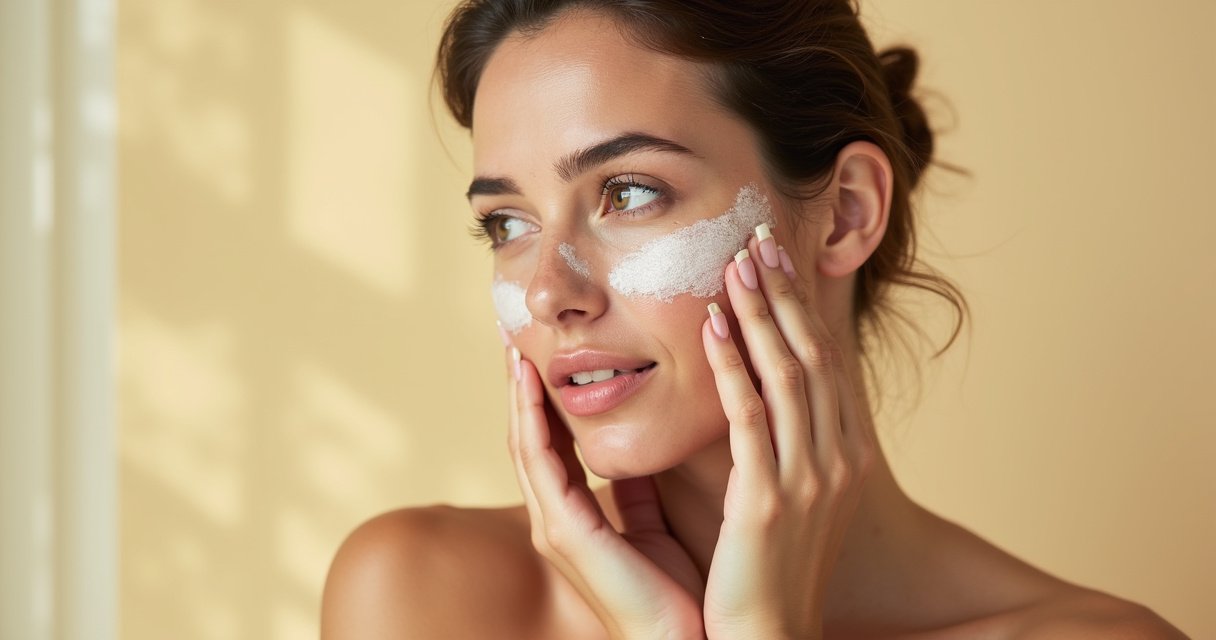
The pursuit of a healthy, luminous complexion often begins with a shift away from synthetic formulations and toward botanical alternatives. Skin is the body’s largest organ, acting as a dynamic barrier against environmental stressors while reflecting internal wellness. Adopting a natural skincare routine for glowing skin requires understanding individual skin biology, identifying pure botanical components, and maintaining consistent daily habits. Rather than relying on aggressive chemical treatments, a plant-based regimen nourishes the dermal layers using biocompatible nutrients found in nature, fostering long-term radiance without disrupting the skin’s natural microbiome.
Understanding Skin Anatomy and the Natural Approach
Human skin consists of three primary layers: the epidermis, dermis, and subcutaneous tissue. The outermost stratum corneum serves as the moisture barrier, composed of corneocytes held together by lipids like ceramides, cholesterol, and fatty acids. Disrupting this barrier through harsh surfactants leads to transepidermal water loss, resulting in dullness, irritation, and inflammation. A natural skincare routine for glowing skin focuses on preserving and reinforcing this delicate lipid matrix.
Dermatological research highlights that botanical oils closely mimic the skin’s natural sebum composition. Ingredients such as jojoba oil and squalane integrate smoothly into the stratum corneum, locking in hydration without clogging pores. Shifting toward whole-plant extracts minimizes exposure to synthetic fragrances, parabens, and sulfates, which are frequently linked to contact dermatitis and chronic skin sensitivity. Understanding this biological compatibility forms the foundation of effective holistic dermatology.
The Core Steps of a Daily Botanical Regimen
Consistency dictates success in any regimen designed to enhance complexion vitality. A structured daily practice involves three fundamental phases: cleansing, nourishing, and protecting. Each step plays a specific role in maintaining cellular turnover and defending against oxidative stress.
- Gentle Cleansing: Stripping the face of natural oils triggers rebound sebum production. Cleansing milks formulated with colloidal oatmeal, honey, or chamomile extract remove impurities while respecting the acid mantle.
- Targeted Hydration: Hydration differs from moisture. Water-based botanical humectants like pure aloe vera juice or rose hydrosol draw moisture deep into the epidermis.
- Seal and Protect: Plant oils and butters seal the hydration channel, preventing environmental moisture evaporation throughout the day.
Morning Maintenance for Daily Defense
Morning routines prioritize protection against ultraviolet radiation, pollution, and free radicals. Environmental aggressors generate reactive oxygen species that break down collagen fibers and accelerate photoaging. Antioxidant-rich botanical serums serve as a biological shield during daylight hours. Green tea extract, vitamin C derived from Kakadu plum, and pomegranate seed oil neutralize free radicals before they cause cellular damage.
Following antioxidant application, broad-spectrum protection remains non-negotiable. Mineral sunscreens utilizing non-nano zinc oxide reflect UV rays without generating the chemical irritation often associated with synthetic UV filters. Blending zinc oxide with raspberry seed oil or carrot seed oil provides an added layer of natural botanical defense, ensuring the complexion remains resilient against urban pollution and sun exposure.
Evening Restoration and Cellular Renewal
Nighttime represents the optimal window for skin repair. During sleep, microcirculation increases, and the rate of cellular mitosis doubles. A natural skincare routine for glowing skin leverages this biological restoration phase through active botanical treatments.
Initial makeup and particulate removal through oil cleansing lays the groundwork for nighttime care. Massaging fractionated coconut oil, grapeseed oil, or sweet almond oil onto dry skin dissolves lipid-soluble impurities, cosmetics, and excess sebum. Rinsing with lukewarm water followed by a gentle herbal toner restores optimal pH balance.
Following cleansing, applying botanical extracts containing natural alpha-hydroxy acids (AHAs) or beta-hydroxy acids (BHAs)—such as willow bark extract for salicylic acid or hibiscus flower acids for gentle exfoliation—encourages dead cell shedding without micro-tears. Night creams enriched with rosehip seed oil, rich in trans-retinoic acid, stimulate collagen synthesis and improve skin elasticity by morning.
Comparing Synthetic Versus Botanical Skincare Approaches
| Feature | Synthetic Skincare Regimens | Natural Skincare Regimens |
|---|---|---|
| Ingredient Source | Synthesized in laboratories from petroleum and chemical derivatives | Harvested from plants, minerals, and organic matter |
| Skin Compatibility | Often requires preservatives to extend shelf life, increasing irritation risks | Biocompatible elements integrate seamlessly with natural sebum |
| Environmental Impact | Microplastics and chemical runoff can harm aquatic ecosystems | Biodegradable ingredients support sustainable agricultural practices |
| Long-term Efficacy | Provides rapid surface-level changes through occlusive silicones | Promotes intrinsic skin health and strengthens the lipid barrier |
Incorporating Nutrient-Dense Foods for Topical Synergy
Topical applications account for only part of a comprehensive skin health strategy. Systemic nutrition directly influences dermal architecture. Incorporating foods rich in omega-3 fatty acids, such as flaxseeds, walnuts, and chia seeds, reinforces cell membrane integrity from within. Vitamin A from sweet potatoes and carrots supports cell differentiation, preventing hyperkeratinization and clogged pores.
Hydration remains vital for maintaining turgor pressure within skin cells. Consuming adequate water throughout the day ensures that dermal layers remain plump and capable of efficiently eliminating metabolic waste products. Furthermore, minimizing refined sugars prevents glycation—a destructive biochemical process where sugar molecules attach to collagen and elastin, leading to premature sagging and loss of luminosity.
Managing Seasonal Adjustments in Your Regimen
Skin behavior fluctuates according to ambient humidity, temperature, and sun intensity. Maintaining a static regimen throughout the year often fails to address changing environmental demands. During winter months, drops in humidity require heavier occlusive agents like shea butter or mango butter to prevent moisture depletion. Conversely, summer weather calls for lightweight botanical gels, cucumber extracts, and aloe-based formulations to manage increased perspiration and oil production.
Adapting to seasonal shifts involves observing how the complexion responds to climate variations. If tightness occurs during colder months, layering a hydrating hydrosol underneath a richer facial oil restores comfort. When excess shine appears in summer, swapping heavy creams for light herbal infusions keeps pores clear while sustaining adequate hydration levels.
Frequently Asked Questions
How long does it take to see results from a natural skincare routine?
Skin cells typically complete a full regeneration cycle every 28 to 45 days. Visible improvements in texture, clarity, and radiance generally manifest after four to six weeks of consistent botanical care.
Can natural oils cause breakouts on acne-prone skin?
Certain heavy oils possess a high comedogenic rating and may clog pores. Acne-prone skin benefits from lightweight, non-comedogenic botanical options such as squalane, hemp seed oil, and jojoba oil, which regulate natural sebum production.
Is organic certification necessary for natural skincare ingredients?
While not mandatory, organic certification ensures that plant ingredients are cultivated without synthetic pesticides, herbicides, or chemical fertilizers, reducing the risk of skin irritation and environmental toxicity.
Should sunscreen still be used if a natural routine includes antioxidant oils?
Yes. While botanical oils provide supportive antioxidant defenses against free radicals, they do not block UV radiation adequately. Mineral sunscreen remains essential for preventing photoaging and hyperpigmentation.
Conclusion
Achieving a vibrant, healthy complexion is an ongoing process rooted in biological understanding and consistent daily practice. By embracing a natural skincare routine for glowing skin, individuals support the skin’s inherent repair mechanisms rather than overriding them with harsh chemicals. Prioritizing gentle cleansing, biocompatible nourishment, protective daily minerals, and nutrient-dense dietary habits establishes a solid foundation for long-term dermal vitality. Observing how the complexion responds to seasonal changes and botanical ingredients allows for a personalized approach that respects both human biology and environmental sustainability. Consistency, patience, and high-quality natural elements remain the true pillars of lasting radiance.
Featured Image Credit: Generated/Sourced via Runware.ai.
Disclaimer: This article is AI-generated for informational and educational purposes. While we strive to provide high-quality context and authority, the content should not be used as professional advice. The author/website assumes no liability for external links or factual omissions.