

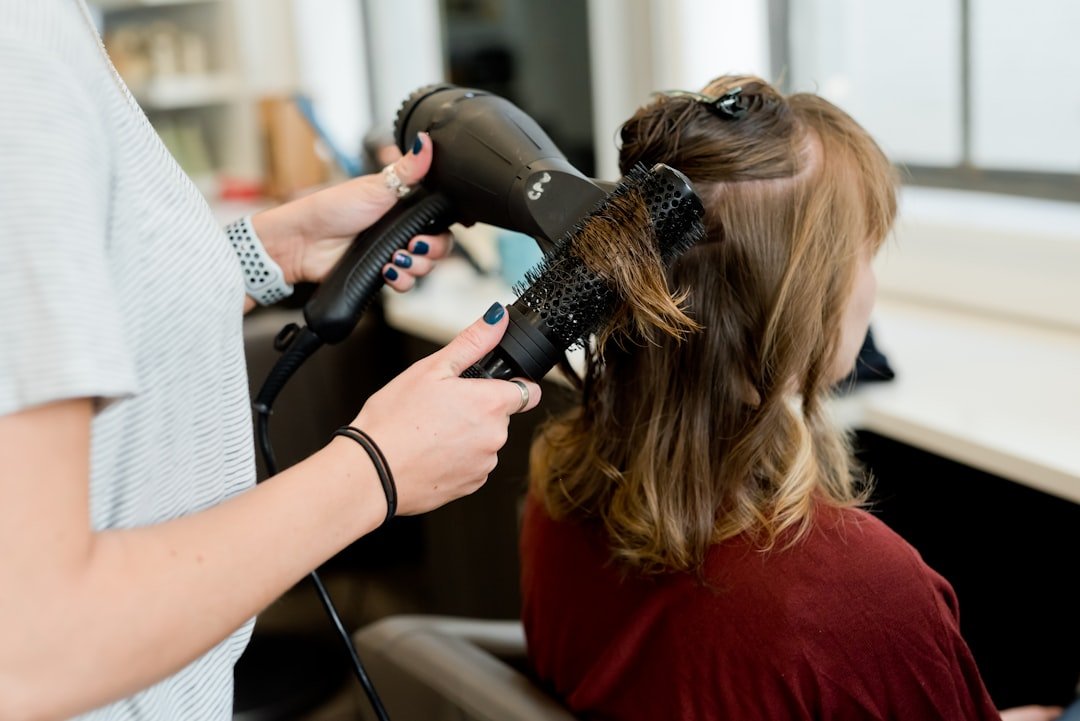
Daily grooming routines often subject hair strands to mechanical stress, thermal fluctuations, and chemical exposure, which gradually compromises structural integrity. Understanding how to reduce hair breakage from daily styling requires a systematic evaluation of grooming habits, tool selection, and structural hair care science. Hair fibers possess a remarkable yet finite capacity to stretch and recover, but cumulative friction from brushing, high-heat application from styling appliances, and tight hairstyles push this resilience past its limit.
Dermatologists and trichologists frequently observe that mechanical damage accumulates silently over months, transforming healthy manes into fragile, fraying textures long before visible split ends appear. Addressing this challenge involves analyzing every single step of the morning routine, from the initial detangling phase to the final finishing spray. Implementing targeted adjustments preserves the cuticle layer, maintains internal moisture balance, and prevents premature snapping along the hair shaft.
Understanding the Anatomy of Hair Breakage
The human hair fiber consists of three distinct layers: the cuticle, the cortex, and the medulla. The outermost layer, the cuticle, acts as a protective shield composed of overlapping, translucent cells resembling roof shingles. When styling tools subject hair to aggressive friction, heat, or tension, these cuticle cells lift, chip, and eventually wear away, exposing the vulnerable inner cortex. Research published in the International Journal of Trichology highlights that once the cortex loses its protective outer shell, moisture escapes rapidly, leaving the hair brittle and prone to snapping under minimal tension.
Microscopic analysis of damaged strands reveals that daily habits like aggressive towel drying and rough pillowcase friction exacerbate this degradation. Each strand relies on hydrogen bonds and disulfide bonds for its elasticity and strength. While hydrogen bonds break temporarily during wet styling and reform as the hair dries, mechanical stress applied during this vulnerable state causes permanent structural snapping. Recognizing these microscopic vulnerabilities helps individuals adjust their handling techniques before irreversible damage occurs.
Thermal Styling Modifications and Heat Protection
Thermal styling tools such as flat irons, curling wands, and blow dryers operate at temperatures high enough to melt the protein bonds within the hair shaft, particularly when applied to damp or unprotected strands. To mitigate this risk, heat styling should always incorporate a silicone- or polymer-based thermal protectant spray. These formulations create a microscopic barrier that distributes heat evenly across the hair surface, reducing localized scorching and moisture boiling within the cortex.
Operating flat irons at temperatures exceeding 400 degrees Fahrenheit accelerates protein denaturation, permanently altering the hair texture. Lowering styling temperatures to the 300 to 350-degree range provides sufficient smoothing power for most hair types while drastically lowering thermal degradation risks. Additionally, keeping blow dryers at least six inches away from the hair surface and utilizing a diffuser attachment diffuses concentrated airflow, preventing localized overheating and cuticle disruption.
Proper Detangling Techniques for Wet and Dry Hair
Hair is at its most fragile state when wet because water molecules disrupt the temporary hydrogen bonds holding the internal protein structure together. Pulling a fine-tooth comb through wet hair stretches the fiber beyond its elastic limit, resulting in sudden snapping. Transitioning to a wide-tooth comb or a flexible-bristle wet brush minimizes this mechanical tension.
- Start from the ends: Begin detangling at the very bottom of the hair and work progressively upward toward the scalp to prevent compounding knots into tight tangles.
- Use slip-enhancing products: Apply a lightweight leave-in conditioner or detangling spray before passing any comb through the strands to reduce surface friction.
- Divide into sections: Sectioning thick or textured hair ensures thorough detangling without exerting excessive pulling force on any single area.
Dry detangling requires equally deliberate care. Brushing hair aggressively from root to tip tears through knots rather than gliding past them. Investing in high-quality brushes with rounded, polished tips prevents scratching the scalp and snagging individual cuticle scales.
Comparative Analysis of Styling Tools and Their Impact on Hair Integrity
| Tool or Accessory | Potential Risk Level | Mechanism of Damage | Protective Adjustment |
|---|---|---|---|
| Ceramic Flat Iron | High | Direct high heat denatures structural proteins | Apply thermal protectant, keep below 350°F |
| Fine-Tooth Plastic Comb | High | Mechanical friction and snagging on wet hair | Switch to wide-tooth wooden or seamless combs |
| Elastic Hair Ties with Metal Clasps | Severe | Cuts into the hair shaft, causing localized snapping | Use seamless fabric scrunchies or spiral bands |
| High-Speed Blow Dryer | Moderate | Rapid moisture stripping and cuticle lifting | Maintain distance, use nozzle attachment, medium heat |
Minimizing Mechanical Stress from Daily Hairstyles
Tension-based hairstyles such as tight ponytails, high buns, and intricate braids exert constant pulling pressure on the hair roots, a condition known as traction alopecia. Beyond follicle stress, wrapping elastic bands tightly around the same section of hair every day creates a weak point where strands consistently bend, fray, and break off. Rotating hairstyles throughout the week distributes mechanical stress across different areas of the scalp and hair shaft.
Alternative accessories, such as silk scrunchies, spiral telephone-cord hair ties, and soft cotton bands, distribute holding pressure over a wider surface area, eliminating the sharp pinch caused by traditional rubber bands or metal-clasped holders. Avoiding extremely tight styles during sleep further prevents nighttime friction breakage caused by tossing and turning against standard cotton bedding. Switching to a satin or silk pillowcase allows hair to glide smoothly without catching on abrasive fabric fibers.
Chemical Processing and Environmental Protection
Chemical treatments, including permanent coloring, bleaching, chemical relaxers, and keratin treatments, alter the internal disulfide bonds of the hair to reshape or recolor the strands. When combined with daily heat styling, chemically treated hair experiences compounded structural vulnerability. Implementing a deep conditioning regimen or bond-building treatment helps reinforce these altered protein networks, restoring tensile strength and elasticity.
Environmental factors also contribute significantly to daily hair breakage. Ultraviolet radiation from sunlight degrades the amino acids within the hair protein, particularly cystine, leaving strands dry and brittle. Wearing hats during extended sun exposure or applying UV-filtering hair mists shields the cuticle from photo-oxidation. Similarly, environmental pollution deposits microscopic particulate matter onto the hair surface, causing rough texture and increased friction during styling. Rinsing hair thoroughly after exposure to urban smog or chlorinated pool water preserves cuticle smoothness and prevents cumulative wear.
Frequently Asked Questions
How often should hair be trimmed to prevent breakage from spreading?
Getting a professional trim every eight to twelve weeks prevents split ends from splitting further up the hair shaft. Once the outer cuticle frays and splits, leaving it untrimmed allows the structural damage to travel upward, causing more extensive breakage across the entire length of the hair.
Can natural oils completely stop hair breakage from styling?
Natural oils such as argan, jojoba, and coconut oil provide excellent surface lubrication and seal moisture into the hair shaft, but they do not replace lost protein or repair severe structural damage. Oils reduce daily friction during brushing and styling, acting as a preventative shield rather than a permanent structural fix.
Does washing hair daily increase the risk of styling breakage?
Washing hair every day strips the scalp and hair of natural sebum, which acts as a natural protectant and lubricant. For many hair types, reducing wash frequency to two or three times a week preserves natural moisture balance, making the hair more flexible and less susceptible to the mechanical stress of daily blow-drying and styling.
What is the best way to sleep without causing hair breakage?
Gathering long hair into a loose, high pineapple ponytail secured with a silk scrunchie or sleeping on a smooth satin pillowcase minimizes friction and tangling during sleep. This prevents the mechanical stress caused by rolling over the hair throughout the night.
Conclusion
Addressing hair damage requires a comprehensive shift in daily habits, emphasizing preventative care over reactive repair. Implementing proper detangling mechanics, lowering thermal styling temperatures, utilizing protective accessories, and shielding strands from environmental stressors collectively preserve the structural integrity of the hair shaft. Consistently applying these evidence-based practices ensures that daily styling enhances appearance without compromising long-term hair health and resilience.
Featured Image Credit: Generated/Sourced via Unsplash.
Disclaimer: This article is AI-generated for informational and educational purposes. While we strive to provide high-quality context and authority, the content should not be used as professional advice. The author/website assumes no liability for external links or factual omissions.