

Magnesium is one of the most underappreciated minerals in modern nutrition, yet it participates in over 300 enzymatic reactions inside the human body. From generating cellular energy to regulating muscle contractions, maintaining nerve function, supporting bone density, and moderating the stress response, magnesium works silently but profoundly in every system your body relies on. Despite its critical importance, national nutrition surveys consistently reveal that a significant portion of the Indian population does not meet the recommended daily intake of this essential mineral.
What makes magnesium deficiency particularly challenging is that its symptoms are easy to dismiss or misattribute. Fatigue, difficulty sleeping, muscle cramps, irritability, headaches, and low mood are all classic signs of insufficient magnesium, but they are also symptoms that people commonly attribute to stress, aging, or overwork. This overlap means that many individuals remain magnesium-deficient for extended periods without understanding why they feel persistently low in energy and emotional resilience.
The good news is that magnesium is widely distributed across whole, unprocessed foods. With thoughtful food choices, most people can meet and even exceed their daily magnesium requirements through diet alone, without relying on supplementation. This guide walks you through the richest dietary sources of magnesium, explains how the mineral functions within the body, clarifies the factors that deplete it, and gives you practical strategies to ensure you are genuinely absorbing the magnesium you consume.
Whether you are experiencing unexplained fatigue, struggling with poor sleep quality, or simply trying to build a nutrient-dense daily eating pattern, understanding magnesium and its food sources is one of the most valuable investments you can make in your long-term health.
What Magnesium Actually Does Inside Your Body
Magnesium functions as a cofactor in more than 300 biochemical reactions, making it one of the most metabolically active minerals in human physiology. Its most fundamental role involves the production of adenosine triphosphate, commonly known as ATP, which is the primary energy currency of every cell. Without adequate magnesium, cells cannot efficiently generate ATP, which directly contributes to the persistent tiredness that magnesium-deficient individuals experience.
At the cardiovascular level, magnesium helps regulate the electrical activity of the heart and supports healthy blood vessel tone. It acts as a natural calcium antagonist within muscle cells, ensuring that muscles can relax after contracting. This is why low magnesium is so closely associated with muscle cramps, spasms, and an inability to fully relax physically and mentally.
In the nervous system, magnesium modulates the activity of N-methyl-D-aspartate receptors, which are involved in learning, memory, and stress regulation. Research suggests that adequate magnesium levels support healthy mood regulation and help dampen the hyperexcitability of the nervous system that underlies anxiety and chronic stress responses. Magnesium also plays a crucial role in synthesizing serotonin, the neurotransmitter associated with emotional well-being and stable mood.
Bone health represents another major domain of magnesium’s influence. Approximately 60 percent of the body’s total magnesium is stored in bone tissue, where it contributes to bone crystal formation and helps regulate the activity of osteoblasts and osteoclasts, the cells responsible for building and remodeling bone. Without sufficient magnesium, calcium metabolism is disrupted, and bone density can decline even when calcium intake appears adequate.
Daily Magnesium Requirements by Age and Life Stage
The Indian Council of Medical Research recommends specific daily intakes of magnesium based on age, sex, and physiological state. Adult men generally require between 340 to 420 milligrams per day, while adult women need approximately 310 to 360 milligrams. Pregnant women have elevated requirements of around 350 to 400 milligrams daily to support fetal development, while breastfeeding mothers need similar amounts to maintain their own stores.
Children and adolescents have growing requirements that scale with their stage of development. During the rapid growth phase of adolescence, when bone formation is at its peak, magnesium intake becomes particularly critical. Older adults often require particular attention to magnesium intake because both absorption efficiency and kidney retention of magnesium tend to decline with age.
Athletes and highly active individuals typically have higher magnesium requirements because exercise increases magnesium losses through sweat and urine. Those under chronic psychological stress also tend to deplete magnesium more rapidly, creating a cycle where stress worsens deficiency and deficiency amplifies the stress response.
Dark Leafy Greens: Chlorophyll as a Magnesium Carrier
One of the most elegant facts in nutritional science is that chlorophyll, the green pigment that powers photosynthesis in plants, has magnesium at the center of its molecular structure. Every chlorophyll molecule contains a magnesium ion, which means that all green plant foods are inherently magnesium-rich. This biochemical reality makes dark leafy greens among the most reliable dietary sources of magnesium available.
Spinach stands out as one of the richest leafy sources, providing approximately 78 milligrams of magnesium per 100 grams when cooked. Its mild flavor and soft texture after cooking make it easy to incorporate into dals, curries, parathas, and sabzis without significantly altering the dish’s character. Raw spinach in salads and smoothies also contributes meaningful magnesium, though cooking concentrates the mineral by reducing water content.
Methi, or fenugreek leaves, is particularly noteworthy because it provides not only magnesium but also compounds that support healthy blood sugar regulation and digestive function. Palak, amaranth leaves, drumstick leaves (moringa), and mustard greens are all excellent choices that fit naturally into traditional Indian cooking patterns. Moringa leaves, in particular, deserve special mention because they are exceptionally dense in magnesium and several other critical micronutrients, making them a powerful addition to the Indian kitchen.
Nuts and Seeds: Portable Magnesium Powerhouses
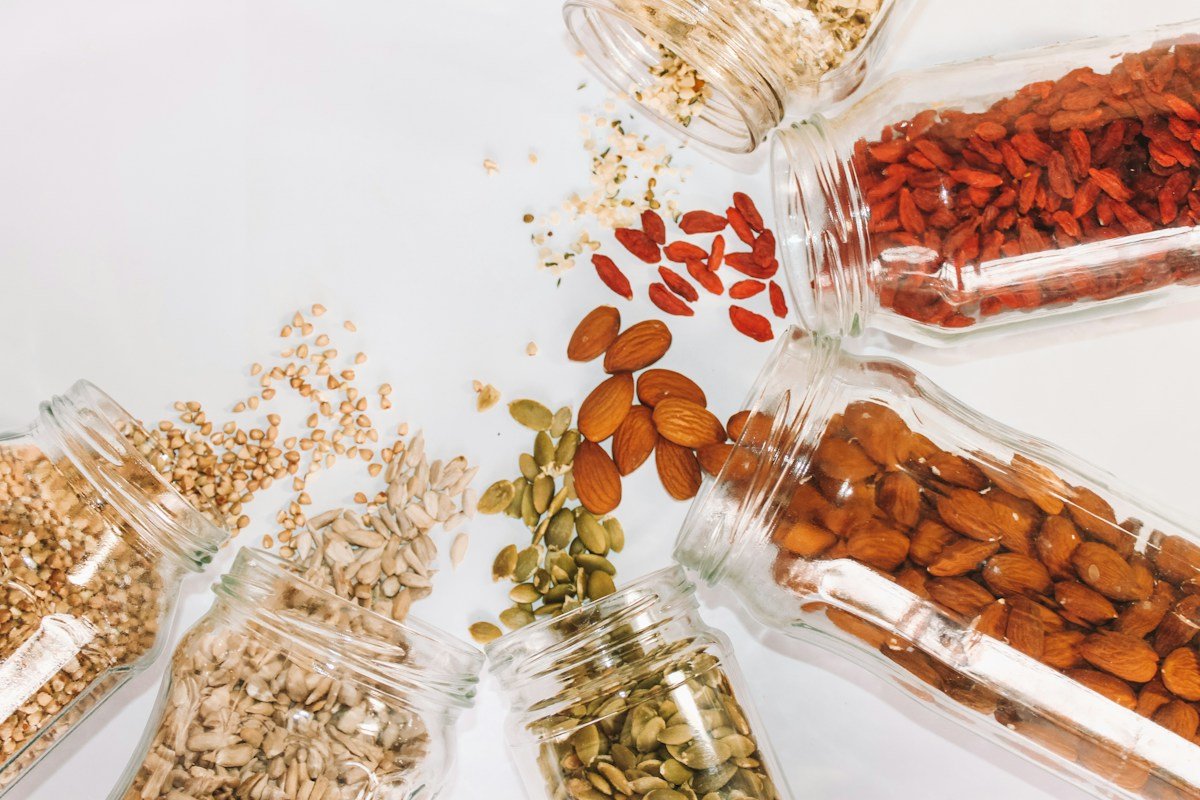
Nuts and seeds represent some of the most concentrated sources of magnesium in the entire plant kingdom, and they also provide healthy fats, protein, and a range of complementary minerals that work synergistically with magnesium. Understanding which varieties provide the most magnesium per serving allows you to make strategic choices.
Pumpkin seeds, also known as kaddu ke beej, are exceptionally rich in magnesium, providing approximately 262 milligrams per 100 grams in their dried, shelled form. A small handful of 30 grams therefore delivers around 79 milligrams of magnesium, nearly a quarter of the adult daily requirement in a single snack. Pumpkin seeds also provide zinc, iron, and healthy omega-6 fatty acids.
Almonds are another standout option, containing around 76 milligrams per 100 grams along with substantial vitamin E, calcium, and monounsaturated fats. Soaking almonds overnight may improve mineral bioavailability by reducing phytic acid content. Cashews provide approximately 73 milligrams per 100 grams and are a versatile ingredient in both savory dishes and healthy snacking. Brazil nuts, while less common in Indian households, are magnesium-rich and also provide selenium in remarkable concentrations.
Among seeds, flaxseeds, sunflower seeds, and sesame seeds all provide meaningful magnesium contributions. Sesame seeds in particular are deeply embedded in Indian culinary traditions through til (sesame) chikki, tahini-style preparations, and seasoning for various dishes. Their dual role as a cultural food and magnesium source makes them especially valuable to emphasize.
Legumes and Pulses: The Indian Kitchen’s Magnesium Foundation
India’s traditional food culture, with its emphasis on dal, rajma, chhole, and various lentil-based preparations, is actually an excellent dietary pattern for magnesium intake. Legumes and pulses are significant sources of this mineral, and because they are consumed daily in most Indian households, they form a reliable foundation for magnesium nutrition.
Black beans provide approximately 70 milligrams of magnesium per 100 grams cooked, while kidney beans (rajma) offer about 45 milligrams per 100 grams. Chickpeas (chhole or chana) contain roughly 48 milligrams per 100 grams when cooked, and because they are consumed in generous portions in Indian meals, their total contribution to daily magnesium intake is substantial. Lentils in their various forms, including masoor dal, moong dal, chana dal, and urad dal, all provide between 35 to 55 milligrams per 100 grams cooked.
Soybeans and soy-derived products including tofu, tempeh, and edamame are among the highest-magnesium legumes available. Tofu provides approximately 30 to 50 milligrams per 100 grams depending on the firmness, and it is increasingly incorporated into contemporary Indian cooking as a protein source. Black-eyed peas (lobia) and green moong beans are particularly popular during fasting periods and regular meals alike, providing consistent magnesium alongside other critical nutrients.
Whole Grains: Preserving the Magnesium-Rich Bran Layer
The magnesium content of grains is concentrated primarily in the outer bran layer and the germ, which are removed during the refining process that produces white flour and polished white rice. This is why the shift from whole grains to refined grains represents not only a loss of fiber but also a significant reduction in magnesium intake at a population level.
Brown rice retains its bran layer and provides approximately 44 milligrams of magnesium per 100 grams cooked, compared to just 12 milligrams in polished white rice. Whole wheat flour used in rotis and phulkas contains roughly 138 milligrams per 100 grams in raw form, while maida (refined wheat flour) has had much of this content stripped away. Bajra (pearl millet) is a traditional Indian grain that contains approximately 110 milligrams of magnesium per 100 grams and is particularly popular in Rajasthan and Gujarat.
Jowar (sorghum), ragi (finger millet), and amaranth grain are all excellent whole grain options with meaningful magnesium content. Oats deserve special mention because they are now widely consumed across India for breakfast and provide approximately 177 milligrams of magnesium per 100 grams raw. Quinoa, though an import, has gained popularity and provides around 64 milligrams per 100 grams cooked, along with complete protein and other micronutrients.
Avocado and Bananas: Everyday Fruit Sources
While vegetables, legumes, and grains dominate the conversation around magnesium-rich foods, several fruits provide meaningful contributions to daily intake. Avocado stands out particularly, containing approximately 29 milligrams of magnesium per 100 grams along with an impressive nutrient profile including healthy monounsaturated fats, potassium, folate, and vitamins K, E, and B6.
Bananas are widely consumed across India and contribute around 27 milligrams of magnesium per 100 grams, along with potassium and vitamin B6. Their accessibility, affordability, and broad appeal make them a practical everyday source of magnesium that most people already have in their diet. Eating one to two bananas daily provides a modest but consistent magnesium contribution alongside their many other nutritional benefits.
Figs, both fresh and dried, provide magnesium along with calcium and potassium. Dried figs in particular are nutrient-concentrated and can be incorporated as a natural sweetener or snack. Papaya, jackfruit, and guava also provide small but useful amounts of magnesium along with vitamin C and other antioxidants, further demonstrating that a diverse fruit intake contributes meaningfully to overall mineral nutrition.
Dark Chocolate: Indulgence That Supports Magnesium Intake
Dark chocolate, when consumed with at minimum 70 percent cacao content, provides an impressive 228 milligrams of magnesium per 100 grams, making it one of the most concentrated magnesium sources in the entire food supply. A standard 30-gram piece of high-quality dark chocolate therefore delivers approximately 68 milligrams of magnesium, nearly a fifth of the adult daily requirement.
Beyond magnesium, dark chocolate contains flavonoids and other polyphenol compounds that support cardiovascular health and have been associated with improved blood flow and reduced inflammatory markers in research studies. However, it also contains calories, saturated fat, and sugar in varying amounts depending on the formulation, making mindful consumption important. Choosing chocolate with minimal added ingredients beyond cacao and a small amount of sweetener maximizes the nutritional benefit.
Raw cacao powder, which is the unsweetened product of minimally processed cacao beans, provides even higher magnesium concentrations and can be incorporated into smoothies, oatmeal, energy balls, and homemade beverages. Indian households increasingly use raw cacao or high-cacao chocolate in health-conscious cooking and can derive substantial magnesium benefits from doing so.
Tofu and Edamame: Plant-Based Protein with Magnesium Benefits
Tofu, derived from soybeans, has emerged as one of the most nutrient-efficient plant-based foods available. Its magnesium content ranges from 30 to 53 milligrams per 100 grams depending on the firmness, with firmer varieties generally containing more minerals due to their lower water content. Beyond magnesium, tofu provides complete plant-based protein, calcium, iron, and isoflavones that have been studied for their role in supporting hormonal balance and bone health.
Edamame, which are immature green soybeans harvested before the pod fully matures, provide approximately 61 milligrams of magnesium per 100 grams along with substantial protein and fiber. They have become popular as a snack and appetizer in contemporary Indian food culture and can be steamed, boiled, or stir-fried with simple seasonings for a nutritious and satisfying addition to the diet.
The broader soy family, including soy milk, tempeh, and miso, provides varying amounts of magnesium and can be incorporated strategically to increase overall intake, particularly for those who are lactose intolerant or following plant-based dietary patterns.
Factors That Deplete Magnesium and Reduce Absorption
Understanding the factors that reduce magnesium absorption or accelerate its depletion from the body is as important as knowing which foods are rich in the mineral. Several common dietary patterns and lifestyle habits actively work against optimal magnesium status, and addressing these is equally important as increasing magnesium-rich food intake.
High consumption of processed and ultra-processed foods is among the most significant contributors to population-level magnesium inadequacy. Refined grains, packaged snacks, and fast food items have been stripped of most of their magnesium during processing and often contain additives that may interfere with mineral absorption. Diets that rely heavily on these foods inevitably fall short of magnesium needs.
Phytic acid, found naturally in whole grains, legumes, nuts, and seeds, binds to magnesium and reduces its bioavailability when consumed in large quantities without preparation methods that reduce phytate content. Soaking, sprouting, and fermenting these foods significantly reduces phytic acid levels and improves mineral absorption. Traditional Indian food preparation techniques including soaking dals overnight and using fermented batters for idli and dosa are effective phytate-reduction strategies.
Alcohol consumption increases urinary magnesium excretion and reduces intestinal magnesium absorption, making regular alcohol intake a meaningful risk factor for magnesium deficiency. Chronic psychological stress activates the hypothalamic-pituitary-adrenal axis and increases urinary magnesium losses, creating a self-reinforcing cycle. Certain medications including diuretics, proton pump inhibitors, and some antibiotics can also deplete magnesium stores over time with chronic use.
Practical Daily Strategies to Optimize Magnesium Intake
Incorporating magnesium-rich foods into your daily diet is most effective when approached through consistent patterns rather than occasional large doses. Because the body regulates magnesium absorption based on current needs, spreading intake across meals throughout the day optimizes retention and physiological availability.
Starting the day with oatmeal topped with a small handful of pumpkin seeds, sliced banana, and a few almonds creates a breakfast that delivers over 100 milligrams of magnesium before the first meal of the day is even finished. Including a generous portion of spinach, methi, or moringa leaves in the dal or sabzi at lunch and dinner adds further meaningful contributions. Choosing whole grain rotis made from bajra or whole wheat flour over refined flour options preserves the magnesium content of the grain.
Snacking on a small handful of mixed nuts, pumpkin seeds, and sunflower seeds instead of packaged chips or biscuits provides magnesium alongside healthy fats and protein. Ending the day with a piece of dark chocolate as dessert adds both magnesium and mood-supporting compounds. These simple substitutions, practiced consistently over weeks and months, can meaningfully improve magnesium status without requiring major dietary overhauls.
Signs Your Magnesium Intake May Be Insufficient
Recognizing potential signs of low magnesium intake can serve as an important prompt to evaluate and improve dietary patterns before deficiency becomes clinically significant. It is important to note that these signs are non-specific and can have many causes, so they should be discussed with a healthcare professional for proper evaluation rather than interpreted as definitive evidence of deficiency.
Muscle cramps and spasms, particularly in the calves and feet, are among the most commonly reported symptoms associated with low magnesium intake. Difficulty falling asleep or maintaining deep, restorative sleep is another frequently mentioned concern, as magnesium plays a role in regulating the GABA receptors that promote relaxation. Persistent fatigue, difficulty concentrating, and a heightened sensitivity to stress may also be worth discussing with a healthcare provider in the context of mineral nutrition.
Irregular heartbeat sensations, known medically as palpitations, have been associated with magnesium depletion because of the mineral’s critical role in cardiac electrical activity. Constipation, as magnesium has a mild osmotic effect in the intestine that supports regular bowel movements, may also be influenced by intake levels. Again, these associations are general and require clinical evaluation before attributing them solely to dietary magnesium insufficiency.
Magnesium Content Comparative Matrix: Top Food Sources
Understanding the relative magnesium density of different food categories allows you to build meals that strategically maximize intake. The following matrix compares the top magnesium-rich foods across categories, including their per-100-gram content and practical serving considerations for everyday Indian meals.
| Food Item | Mg per 100g | Typical Serving | Mg per Serving | Best Used As |
|---|---|---|---|---|
| Pumpkin Seeds | 262 mg | 30g handful | ~79 mg | Snack, topping |
| Dark Chocolate (70%+) | 228 mg | 30g piece | ~68 mg | Dessert, snack |
| Bajra (Pearl Millet) | 110 mg | 100g cooked | ~110 mg | Rotis, khichdi |
| Spinach (cooked) | 78 mg | 100g serving | ~78 mg | Dal, sabzi, curry |
| Almonds | 76 mg | 30g handful | ~23 mg | Snack, garnish |
| Cashews | 73 mg | 30g handful | ~22 mg | Snack, cooking |
| Edamame | 61 mg | 100g serving | ~61 mg | Snack, side dish |
| Black Beans | 70 mg | 100g cooked | ~70 mg | Dal, salad |
| Brown Rice | 44 mg | 150g cooked | ~66 mg | Main grain |
| Banana | 27 mg | 1 medium | ~32 mg | Snack, breakfast |
* Values are approximate and may vary based on preparation method and food variety. Source: USDA FoodData Central and ICMR nutrition tables.
This matrix illustrates that no single food category dominates magnesium provision. Rather, the most effective approach combines multiple categories across each meal, allowing the cumulative contributions from nuts, greens, legumes, and whole grains to add up to a satisfying daily total without requiring any single food to bear the entire nutritional burden.
Frequently Asked Questions About Magnesium-Rich Foods
How much magnesium do I need per day?
Adult men generally need between 340 to 420 milligrams of magnesium per day, while adult women typically require 310 to 360 milligrams. Pregnant and breastfeeding women have slightly elevated needs. These recommendations from the Indian Council of Medical Research are best met through a varied diet rich in whole grains, legumes, nuts, seeds, and dark leafy vegetables.
Can I get enough magnesium from food alone?
Yes, most healthy individuals can meet their magnesium requirements through a balanced, whole-food diet that includes generous portions of dark leafy greens, nuts, seeds, legumes, and whole grains. Supplementation should only be considered under the guidance of a healthcare provider, particularly if deficiency has been confirmed through blood testing.
Does cooking destroy magnesium in food?
Magnesium is a mineral and is not destroyed by heat the way some vitamins are. However, boiling vegetables in large amounts of water and discarding the cooking water does result in some magnesium loss. Steaming, sautéing, and cooking with minimal water are better methods for preserving mineral content. Using the cooking liquid in soups, dals, or sauces also recovers magnesium that leaches into water during cooking.
What reduces magnesium absorption?
Several factors reduce magnesium absorption or increase its loss from the body. High intakes of processed foods, refined grains, and alcohol are significant contributors to magnesium insufficiency. Phytic acid in untreated legumes and grains can bind magnesium and reduce its bioavailability. Soaking and sprouting these foods reduces phytic acid content. Chronic stress and certain medications including diuretics and proton pump inhibitors can also deplete magnesium over time.
Is spinach the best vegetable for magnesium?
Spinach is among the richest vegetable sources of magnesium, particularly when cooked. However, it also contains oxalic acid, which can reduce the bioavailability of the magnesium it contains to some degree. Other excellent vegetable sources including moringa leaves, methi, and amaranth also provide meaningful magnesium without as high oxalate levels. Variety across different green vegetables is the most effective approach.
Do nuts need to be soaked before eating for magnesium?
Soaking nuts and seeds overnight in water can reduce their phytic acid content, potentially improving the bioavailability of minerals including magnesium. For almonds in particular, soaking and removing the skin reduces phytates and makes the nut easier to digest. While soaking is beneficial, it is not strictly necessary for most healthy people with good digestive function who eat a varied diet.
Are magnesium supplements safe?
Magnesium supplements are generally considered safe for most adults when taken in appropriate doses, but they should be used thoughtfully and ideally under the guidance of a healthcare provider. High supplemental doses can cause digestive side effects including loose stools and diarrhea. Individuals with kidney conditions should be particularly cautious, as impaired kidney function can lead to magnesium accumulation. Food sources are always the preferred primary means of meeting magnesium needs.
How long does it take to notice improvements with better magnesium intake?
Individual responses vary considerably based on the degree of existing inadequacy, overall dietary quality, and individual absorption capacity. Some people report improvements in sleep quality and muscle tension within a few weeks of consistently increasing their intake of magnesium-rich foods. Longer-term benefits such as improved energy levels and more stable mood may take several weeks to months of sustained dietary improvement to become apparent. Consistent dietary patterns over time are far more important than any single day’s intake.
Medical Disclaimer: The information in this article is for educational and informational purposes only and is not intended as medical advice. Always consult a qualified healthcare professional before making any changes to your diet, lifestyle, or health routine. If you suspect a nutritional deficiency, please seek professional evaluation and testing. Individual results may vary.
Building a Magnesium-Rich Lifestyle: Long-Term Perspective
Optimizing magnesium intake is ultimately an exercise in building consistent, whole-food dietary habits rather than seeking quick fixes or relying on supplementation as a substitute for varied nutrition. The most durable improvements in magnesium status come from making magnesium-rich foods a habitual part of your daily eating pattern, consumed across breakfast, lunch, dinner, and snacks in combination rather than in isolated large doses.
The Indian food tradition is uniquely well-positioned for magnesium sufficiency because its staple foods, namely dals, whole grain rotis, leafy vegetable sabzis, and nut-based preparations, overlap substantially with the foods that science identifies as richest in magnesium. The challenge in contemporary Indian eating is not the absence of magnesium-rich foods from the food culture but rather the increasing displacement of traditional whole foods by refined and processed alternatives.
Returning to or maintaining the whole-food elements of traditional Indian cooking while embracing modern additions such as oats, pumpkin seeds, dark chocolate, and edamame creates a magnesium intake profile that supports sustained energy, better sleep quality, healthier muscle function, and a more resilient nervous system. These are outcomes worth investing in through daily food choices, one meal at a time.
For further reading on magnesium and mineral nutrition, the National Institutes of Health Office of Dietary Supplements provides comprehensive, evidence-based information. The World Health Organization also maintains resources on micronutrient nutrition. The USDA FoodData Central database allows you to look up detailed nutrient profiles of virtually any food. For India-specific dietary guidelines, the National Institute of Nutrition in Hyderabad publishes comprehensive nutritional data relevant to Indian food patterns. The Harvard T.H. Chan School of Public Health Nutrition Source provides an accessible, research-backed overview of magnesium and its role in health.