

The human body operates as a remarkably intricate biological network, requiring a precise balance of macro and micronutrients to maintain cellular integrity, cognitive sharpness, and cardiovascular resilience. Among the myriad fatty acids essential for physiological equilibrium, omega-3 polyunsaturated fatty acids stand out as non-negotiable dietary components. Because the human organism cannot synthesize these compounds independently, acquiring them through dietary intake is mandatory. For individuals adhering to a plant-based lifestyle, sourcing these nutrients requires intentional planning, yet the earth provides an abundant array of nutrient-dense options. Identifying the best omega 3 rich vegetarian foods for daily nutrition transforms a seemingly restrictive diet into a vibrant culinary landscape rich in health-promoting lipids.
Understanding the biochemical architecture of these fats clarifies why specific plant foods deserve prominent placement on the daily plate. Omega-3 fatty acids primarily manifest in three distinct forms: alpha-linolenic acid (ALA), eicosapentaenoic acid (EPA), and docosahexaenoic acid (DHA). While marine sources traditionally dominate discussions regarding EPA and DHA, plant-based diets excel at delivering ALA. The body possesses the metabolic machinery to convert ALA into EPA and DHA, albeit at a limited rate. Consequently, incorporating a diverse selection of plant-based foods rich in ALA ensures that metabolic pathways receive an adequate baseline supply to support systemic health, reducing systemic inflammation and fostering optimal neurological function.
Unlocking the Power of Alpha-Linolenic Acid in Plant Diets
Alpha-linolenic acid serves as the foundational cornerstone of plant-based essential fatty acid intake. Found abundantly in seeds, nuts, and specific botanical oils, ALA acts as a direct precursor to longer-chain omega-3 derivatives. Nutritional biochemists emphasize that maintaining a balanced ratio of omega-6 to omega-3 fatty acids remains critical for dampening chronic inflammatory responses. Plant-based diets naturally tilt toward higher omega-6 concentrations unless individuals consciously prioritize ALA-dense selections. By systematically integrating these targeted botanical sources, consumers establish a robust biochemical defense mechanism that protects vascular tissues and supports metabolic regulation.
The physiological impact of ALA extends far beyond simple energy storage or structural membrane composition. Research published by the Linus Pauling Institute highlights that adequate ALA consumption correlates inversely with cardiovascular mortality markers. When cellular membranes incorporate adequate polyunsaturated fats, receptor sensitivity improves, allowing for more efficient intercellular communication and hormone signaling. This cellular fluidity directly influences insulin sensitivity, blood pressure regulation, and endothelial health. Transitioning toward a plant-forward dietary pattern thus requires moving past generalized nutritional guidelines and embracing precise botanical targets.
Nutritional Breakdown of Top Plant-Based Omega-3 Sources
Achieving optimal daily nutrition on a vegetarian diet demands familiarity with specific ingredients that deliver high concentrations of essential fatty acids per serving. The following subsections analyze the primary nutritional powerhouses that make plant-based omega-3 acquisition both achievable and delicious.
Flaxseeds and Flaxseed Oil
Flaxseeds represent the undisputed heavyweight champion of the plant-based omega-3 world. A single tablespoon of ground flaxseeds provides more than the recommended daily adequate intake of ALA for adults. Beyond fatty acids, these tiny seeds harbor substantial quantities of dietary fiber and lignans, which act as potent antioxidants. Whole flaxseeds often pass through the digestive tract entirely unabsorbed, meaning grinding them immediately before consumption is essential for unlocking their nutritional bounty. Flaxseed oil offers an even more concentrated liquid format, though its delicate chemical structure requires raw application rather than high-heat cooking.
| Food Source | Serving Size | ALA Content (approximate) | Additional Nutritional Benefits |
|---|---|---|---|
| Ground Flaxseeds | 1 Tablespoon | 2.3 grams | High in soluble fiber and lignans |
| Chia Seeds | 1 Ounce (2 tablespoons) | 5.0 grams | Rich in calcium, magnesium, and protein |
| Walnuts | 1 Ounce (14 halves) | 2.5 grams | Provides polyphenols and vitamin E |
| Hemp Seeds | 3 Tablespoons | 0.9 grams | Complete protein profile with all essential amino acids |
Chia Seeds
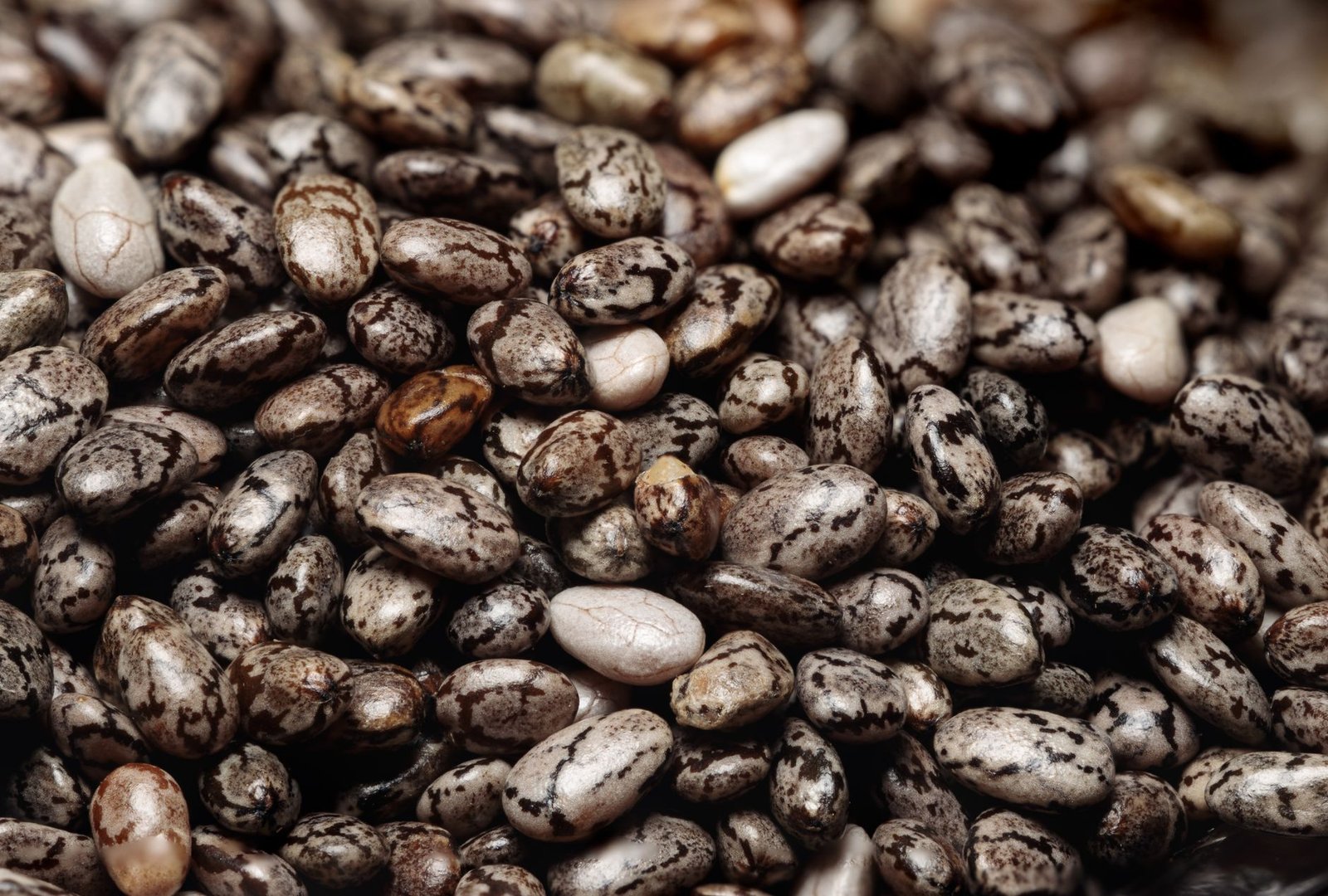
Originating from Central America, chia seeds sustained ancient civilizations through demanding physical endeavors due to their dense macronutrient profile. Two tablespoons of chia seeds deliver an impressive five grams of ALA, alongside a remarkable amount of insoluble and soluble fiber that promotes sustained glycemic control. When exposed to liquid, chia seeds form a gelatinous outer matrix, a characteristic that aids hydration and slows carbohydrate digestion. Incorporating these seeds into morning porridges, smoothies, or baking recipes provides a seamless method for securing daily essential fatty acid requirements without altering flavor profiles.
Walnuts
Among tree nuts, walnuts stand alone in their exceptional omega-3 density. Consuming a modest one-ounce handful delivers roughly 2.5 grams of ALA, making them an accessible snack for daily nutritional enhancement. The structural composition of walnuts also features high concentrations of polyphenols, compounds that neutralize oxidative stress within the vascular endothelium. Culinary applications for walnuts span far beyond simple snacking; they elevate salads, enrich pestos, and provide a satisfying crunch to grain bowls while simultaneously delivering profound cardiovascular protection.
Hemp Seeds
Hemp seeds offer a unique nutritional synergy, combining a favorable omega-3 to omega-6 fatty acid ratio with a complete amino acid profile. While their absolute ALA concentration sits slightly lower than that of flax or chia, three tablespoons still deliver nearly a gram of essential fatty acids. Furthermore, the protein content within hemp hearts makes them an invaluable asset for vegetarians seeking to optimize both lipid profiles and muscle recovery. Their mild, nutty flavor profile allows for effortless integration into dressings, soups, and roasted vegetables.
Strategic Culinary Integration for Maximum Bioavailability
Maximizing the nutritional yield of plant-based foods requires more than simply purchasing the right ingredients; culinary technique dictates how effectively the body absorbs and utilizes these delicate compounds. Polyunsaturated fats are notoriously vulnerable to degradation when exposed to excessive heat, light, and oxygen. Consequently, storing seed oils in dark, cool environments and grinding whole seeds in small batches prevents lipid peroxidation, preserving the integrity of the fatty acids before they reach the digestive tract.
Optimizing the conversion of ALA into its longer-chain derivatives, EPA and DHA, involves dietary modulation as well. Excessive consumption of omega-6 rich vegetable oils, such as corn or soybean oil, can competitively inhibit the enzymatic pathways responsible for ALA conversion. Establishing a balanced dietary ratio by minimizing highly processed oils while maximizing whole-food fat sources dramatically improves metabolic efficiency. Additionally, ensuring adequate intake of supporting micronutrients—such as zinc, magnesium, and B vitamins—acts as a biochemical catalyst for these essential enzymatic reactions.
Overcoming Common Nutritional Deficiencies in Vegetarian Diets
Adopting a vegetarian lifestyle offers profound health advantages, yet vigilance remains necessary to prevent nutrient shortfalls that can undermine long-term vitality. Beyond essential fatty acids, modern diets often suffer from a lack of diverse fiber sources and trace minerals. By consciously curating meals around the best omega 3 rich vegetarian foods for daily nutrition, individuals naturally address several nutritional gaps simultaneously. Seeds and nuts do not merely supply lipids; they deliver dense concentrations of minerals that support enzymatic reactions throughout the central nervous system.
Another frequent challenge involves maintaining consistent daily intake habits rather than sporadic consumption. Nutritional consistency allows the body to maintain steady plasma lipid concentrations, supporting ongoing anti-inflammatory processes and structural cell membrane maintenance. Meal-prep strategies, such as maintaining pre-ground seed blends in airtight refrigerated containers or incorporating walnuts into daily snacking routines, eliminate friction and ensure that nutritional goals are met effortlessly day after day.
Frequently Asked Questions
Can plant-based foods provide enough DHA and EPA directly?
Most plant foods provide ALA, which the body converts into EPA and DHA in limited quantities. However, microalgae supplements offer a direct, plant-based source of preformed DHA and EPA for individuals seeking to bypass the conversion process entirely.
Does cooking destroy the omega-3 fatty acids in plant foods?
High heat damages delicate polyunsaturated fats, causing them to oxidize and lose their nutritional potency. It is best to consume seeds raw, add oils after cooking is complete, or utilize gentle warming methods rather than frying with high-ALA oils.
How much ALA do adults need daily?
Health organizations generally recommend an adequate intake of approximately 1.1 grams per day for adult women and 1.6 grams per day for adult men, though individual needs vary based on overall energy expenditure and metabolic health.
Are sprouted seeds nutritionally superior to raw seeds?
Sprouting breaks down phytic acid, an anti-nutrient that can bind minerals in the digestive tract, thereby enhancing the bioavailability of surrounding nutrients, including essential fatty acids and trace minerals.
Is it possible to consume too many omega-3 fatty acids from food?
Obtaining omega-3 fatty acids through whole foods rarely poses toxicity risks. However, excessive consumption of concentrated oil supplements can occasionally lead to digestive upset or interfere with blood-clotting medications.
Conclusion
Navigating the complexities of modern nutrition requires a deliberate return to whole, nutrient-dense ingredients that support biological resilience from the cellular level upward. By understanding the biochemical distinctions between ALA, EPA, and DHA, individuals can construct thoughtful dietary patterns that honor their physiological needs. The earth provides a magnificent spectrum of lipid-rich botanicals that make optimal health entirely attainable without relying on animal products. Embracing these dietary practices transforms everyday eating into an act of enduring self-care, establishing a firm foundation for vibrant longevity and sustained vitality.
Featured Image Credit: Generated/Sourced via Unsplash.
Disclaimer: This article is AI-generated for informational and educational purposes. While we strive to provide high-quality context and authority, the content should not be used as professional advice. The author/website assumes no liability for external links or factual omissions.