

Best Fermented Foods to Add to a Balanced Diet for Optimal Gut Health
Nutritional science continually evolves, yet human biology retains a timeless reliance on traditional food preparation methods. Preserving perishable harvests through controlled microbial fermentation remains one of the most effective strategies for enhancing both shelf life and nutrient bioaccessibility. Integrating the best fermented foods to add to a balanced diet transforms routine meals into vibrant sources of bioactive compounds, living microorganisms, and essential vitamins. Modern dietary patterns frequently lack sufficient microbial diversity, largely due to heavy reliance on ultra-processed products and rigorous pasteurization techniques. Restoring these beneficial bacteria through daily dietary choices supports metabolic function, immune regulation, and gastrointestinal integrity.
The Biological Mechanism Behind Fermentation
Fermentation occurs when microorganisms such as bacteria, yeasts, or molds convert carbohydrates, including starches and sugars, into alcohols or organic acids. This anaerobic or partially aerobic transformation creates an acidic environment that inhibits the proliferation of pathogenic organisms while encouraging the survival of probiotic strains. Lacto-fermentation, the primary pathway for vegetable preservation, relies on lactic acid bacteria naturally present on plant surfaces. These microorganisms consume simple sugars and produce lactic acid, which acts as a natural preservative and lowers the pH of the food matrix.
Beyond preservation, this biochemical activity breaks down complex antinutrients like phytic acid found in grains and legumes. Phytic acid typically binds to essential minerals such as iron, zinc, and calcium, reducing their absorption in the human digestive tract. Microorganisms produce phytase enzymes during fermentation that degrade these binding compounds, thereby increasing mineral bioavailability. Furthermore, microbial action synthesizes B-vitamins, including folate, riboflavin, and vitamin B12, enhancing the overall micronutrient profile of the original raw ingredients.
Traditional Yogurt and Kefir
Dairy-based cultures represent some of the most widely consumed sources of beneficial microbes globally. Traditional yogurt is produced by fermenting milk with specific bacterial strains, primarily Lactobacillus bulgaricus and Streptococcus thermophilus. These cultures consume lactose, the primary sugar in milk, converting it into lactic acid. This process makes traditional yogurt significantly easier to digest for individuals with mild lactose sensitivities, as the live bacteria supply lactase enzymes that assist in sugar breakdown within the gut.
Kefir, a fermented milk drink originating from the Caucasus Mountains, offers an even greater diversity of microbial strains. Unlike yogurt, which relies on a few specific bacteria, kefir is produced using gelatinous kefir grains containing a symbiotic matrix of lactic acid bacteria, acetic acid bacteria, and yeasts. This complex ecosystem introduces dozens of distinct probiotic strains into the gastrointestinal tract. Regular inclusion of plain, unsweetened yogurt or kefir supplies calcium, high-quality protein, and transient microbes that transiently colonize the gut environment to support mucosal immunity.
Sauerkraut and Lacto-Fermented Cabbage
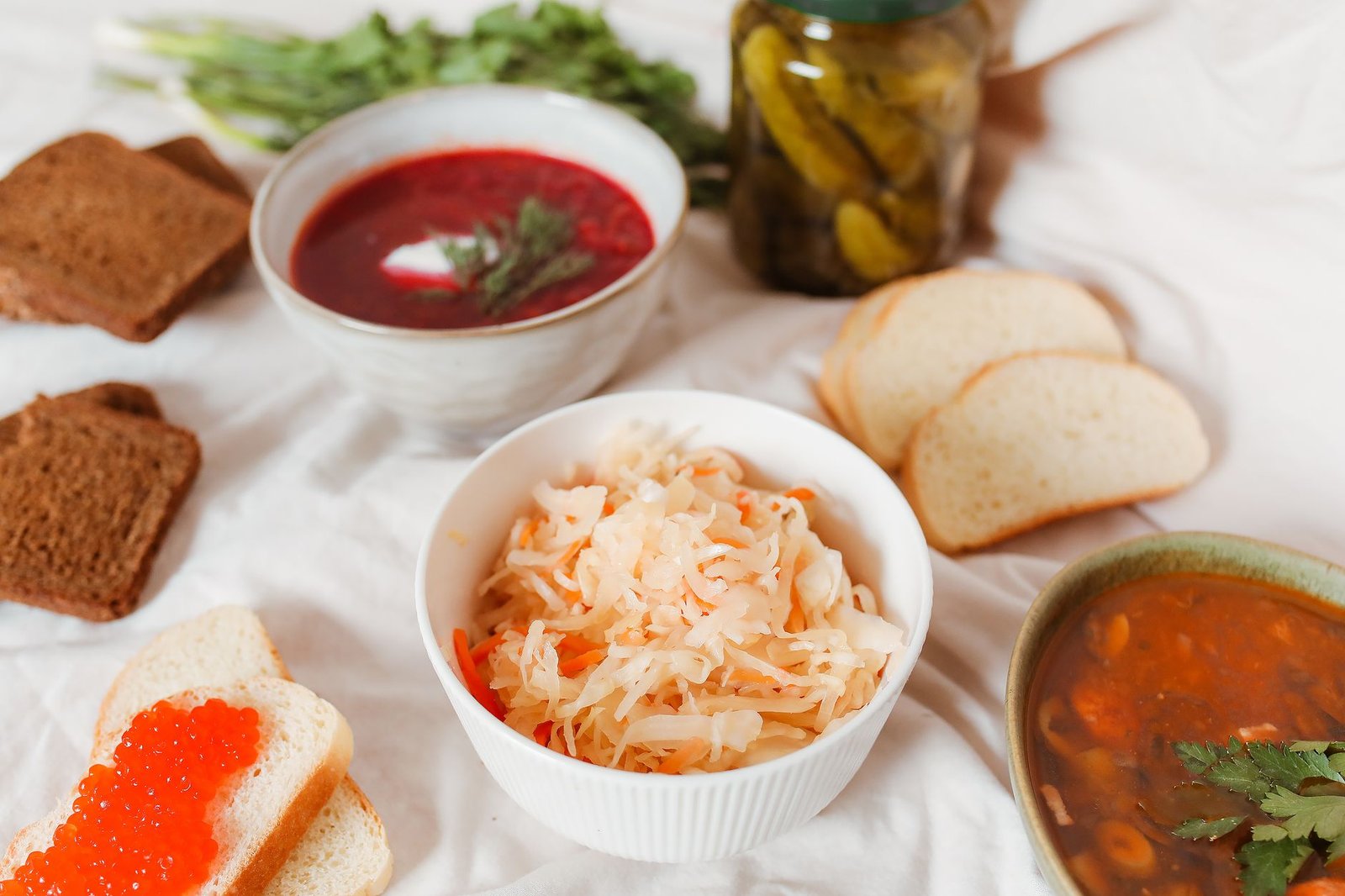
Cabbage has served as a staple crop across various agricultural societies for millennia, with pickling methods evolving to maximize nutritional retention. Authentic sauerkraut requires only shredded cabbage and non-iodized salt, bypassing the need for vinegar or heat pasteurization. Salt draws out moisture from the cabbage via osmosis, creating a brine where natural heterofermentative and homofermentative bacteria thrive. The resulting product delivers high concentrations of dietary fiber, vitamin C, vitamin K, and active lactic acid bacteria.
Commercial preservation methods often utilize high heat or vinegar pickling, which destroys live cultures and eliminates the active enzymatic benefits found in raw, unpasteurized preparations. Selecting raw sauerkraut from the refrigerated section of a grocery market ensures the presence of viable microorganisms. Incorporating small portions of this crisp, acidic condiment alongside grain bowls, roasted meats, or legume-based dishes introduces a sharp flavor contrast while supporting digestive enzyme secretion.
Kimchi and Spicy Microbial Matrices
Originating in East Asia, kimchi is a traditional side dish typically featuring napa cabbage, Korean radishes, scallions, and aromatics like garlic and ginger, seasoned with chili powder and fermented seafood extracts. The multi-step fermentation process involves salting the vegetables to draw out water, rinsing, and mixing with a paste rich in spices and microbial substrates. The interaction between varied plant tissues and diverse bacterial strains produces complex flavor profiles characterized by umami, acidity, and heat.
Research indicates that the unique combination of garlic, ginger, and cruciferous vegetables in kimchi yields high levels of antioxidants, flavonoids, and organosulfur compounds. These constituents exhibit anti-inflammatory properties and support cardiovascular health. The microbial diversity found in traditional kimchi includes strains such as Leuconostoc mesenteroides and Lactobacillus plantarum, both of which demonstrate high resistance to gastric acidity, allowing them to reach the lower digestive tract alive.
Kombucha and Fermented Tea Infusions
Beverages created through microbial transformation offer an alternative to dairy and vegetable options for individuals seeking diverse dietary additions. Kombucha is a sweetened tea fermented by a symbiotic colony of bacteria and yeast, commonly referred to as a SCOBY. During a fermentation period lasting one to two weeks, the culture consumes sucrose and produces organic acids including acetic, gluconic, and lactic acid, alongside trace amounts of alcohol and carbon dioxide.
The resulting beverage possesses a tart, effervescent quality that replaces sugary carbonated soft drinks effectively. While commercial kombucha varieties often contain added sugars to balance the acidity, selecting low-sugar options provides polyphenols derived from the base tea leaves—such as green or black tea—alongside organic acids that support gastric pH balance. Monitoring total sugar intake remains essential when incorporating sweetened beverages into an otherwise balanced nutritional framework.
Comparative Overview of Fermented Foods
| Food Item | Primary Base | Key Microbial Strains | Main Nutritional Benefits |
|---|---|---|---|
| Traditional Yogurt | Milk | Lactobacillus bulgaricus, Streptococcus thermophilus | Calcium, protein, improved lactose digestion |
| Kefir | Milk | Mixed bacteria and yeasts (Lactobacillus, Kefirgranum) | High microbial diversity, B-vitamins, protein |
| Sauerkraut | Cabbage, Salt | Leuconostoc, Lactobacillus plantarum | Vitamin C, fiber, unpasteurized organic acids |
| Kimchi | Cabbage, Radish, Spices | Leuconostoc mesenteroides, Weissella | Antioxidants, capsaicin derivatives, dietary fiber |
| Kombucha | Sweetened Tea | Acetobacter, Saccharomyces species | Organic acids, tea polyphenols, low-calorie effervescence |
| Miso | Soybeans, Rice/Barley, Salt | Aspergillus oryzae, Lactic acid bacteria | Complete plant protein, isoflavones, savory depth |
Miso, Tempeh, and Soybean Transformations
Soybeans present significant nutritional value but require processing to neutralize compounds that hinder digestion. Asian culinary traditions solved this challenge centuries ago through controlled mold and bacterial fermentation. Miso is a dense paste made by fermenting cooked soybeans with salt, water, and a koji starter—cooked rice, barley, or soybeans inoculated with the fungus Aspergillus oryzae. Aging periods range from a few weeks to several years, yielding sweet white miso or robust dark red varieties. Miso provides complete plant proteins and savory umami flavor, though boiling should be avoided after adding miso to soups to preserve live enzymes.
Tempeh originates from Indonesia and involves fermenting whole cooked soybeans into a firm, compact cake using a rhizopus mold species. The mycelium binds the beans together, creating a textured protein source suitable for slicing, baking, or grilling. The fungal fermentation process breaks down oligosaccharides responsible for flatulence, rendering the soybeans considerably easier to digest while concentrating fiber, iron, and magnesium.
Integration Strategies and Practical Considerations
Incorporating these nutrient-dense options into daily meals requires a gradual approach, particularly for individuals unaccustomed to high fiber or active microbial intake. Introducing large quantities of live cultures suddenly can cause temporary gastrointestinal discomfort, including bloating or gas, as the existing gut microbiome adapts to the new microbial influx. Starting with small, tablespoon-sized portions of sauerkraut, kimchi, or yogurt allows the digestive system to adjust comfortably.
Temperature management plays a critical role in preserving the functional value of these items. Cooking fermented vegetables or boiling probiotic dairy products destroys the living microorganisms, rendering them non-viable. While dead microbes and their cellular components still offer certain immune-modulating benefits, live cultures provide superior transient colonization effects. Foods like miso should be stirred into broths after removing them from direct heat sources to maintain maximum biological activity.
Diversity remains the fundamental pillar of an effective nutritional strategy. Rotating different sources—such as combining dairy kefir at breakfast, sauerkraut at lunch, and miso at dinner—ensures exposure to a wide spectrum of bacterial strains and phytonutrients. Pairing these choices with prebiotic fibers found in onions, garlic, oats, and bananas feeds the beneficial microorganisms, creating a supportive internal environment for long-term health maintenance.
Frequently Asked Questions
Can individuals with lactose intolerance consume dairy-based ferments?
Many individuals with lactose intolerance tolerate traditional yogurt and kefir well because the fermentation process significantly reduces the lactose content. The live bacterial cultures supply lactase enzymes that continue breaking down residual milk sugars during digestion.
Do commercially available pickled cucumbers offer probiotic benefits?
Standard shelf-stable pickles preserved in vinegar and water without live fermentation do not contain active probiotics. True fermented pickles rely on salt brine and lacto-fermentation without vinegar heat processing, and they must be stored in the refrigerator.
Is it possible to consume an excess of fermented foods?
Excessive consumption, especially when introduced too quickly, can cause transient digestive distress such as gas and bloating. Gradual introduction starting with small daily servings allows the gastrointestinal tract to adapt smoothly.
Do pasteurized fermented foods retain any nutritional value?
Pasteurization destroys live microorganisms, but pasteurized options like baked sourdough bread or cooked miso still provide retained minerals, organic acids, and improved protein digestibility resulting from the initial microbial breakdown.
Conclusion
Maximizing the nutritional quality of daily meals involves embracing traditional food preservation techniques that enrich both flavor and biological value. Incorporating the best fermented foods to add to a balanced diet introduces diverse microbial strains, essential vitamins, and enhanced minerals into the gastrointestinal tract. From dairy cultures like kefir to plant-based options such as kimchi, tempeh, and unpasteurized sauerkraut, these culinary additions support digestive wellness and systemic vitality. Approaching dietary integration with consistency and variety ensures sustainable, long-term health benefits without requiring restrictive eating patterns.
Featured Image Credit: Generated/Sourced via Unsplash.
Disclaimer: This article is AI-generated for informational and educational purposes. While we strive to provide high-quality context and authority, the content should not be used as professional advice. The author/website assumes no liability for external links or factual omissions.