

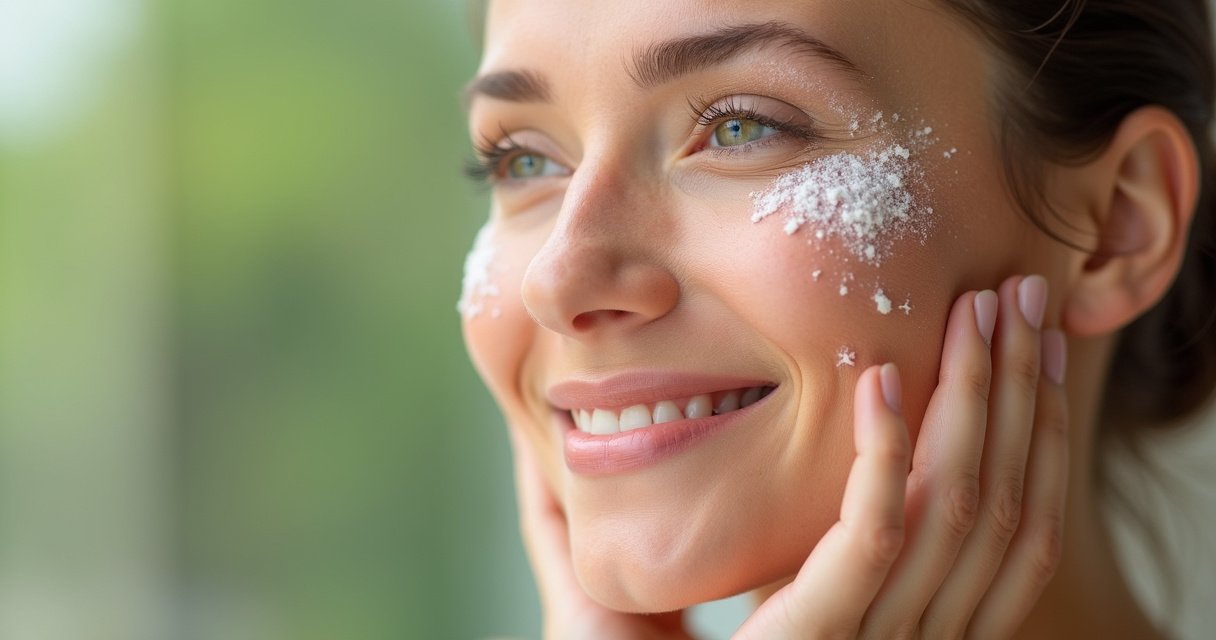
Skin healing is a complex biological journey. Long after active breakouts subside, the skin often retains visible reminders of past inflammation. These marks and indentations can impact daily confidence and prompt a search for effective dermatological remedies. While synthetic treatments and clinical procedures dominate skincare clinics, a growing body of research highlights the efficacy of botanical remedies. Utilizing plant-based extracts and oils offers a gentle, sustainable approach to skin renewal. Understanding how these botanicals interact with dermal layers allows individuals to build targeted routines that fade discoloration and smooth uneven textures.
The Science of Scarring and Botanical Healing
To address post-acne marks effectively, one must first differentiate between various types of blemishes. Post-inflammatory hyperregulation typically leaves behind flat pink, brown, or red patches, while atrophic scars present as pitted indentations resulting from collagen loss during the healing phase. Clinical studies published by the National Institutes of Health emphasize that botanical extracts often contain high concentrations of antioxidants, vitamins, and anti-inflammatory compounds that accelerate cellular turnover.
When applied topically, these active molecules neutralize free radicals and inhibit excess melanin production. For instance, plant oils rich in essential fatty acids help repair the compromised lipid barrier, fostering an environment where healthy tissue can regenerate without irritation. Unlike aggressive chemical peels that strip the epidermis, natural ingredients work in harmony with the skin’s natural recovery cycles, minimizing the risk of adverse reactions.
Rosehip Seed Oil for Cellular Regeneration
Extracted from the Rosa rubiginosa bush, rosehip seed oil has earned a stellar reputation in modern dermatology for its skin-regenerating properties. The oil is rich in provitamin A, specifically beta-carotene, along with essential fatty acids like linoleic and linolenic acid. Dermatological research highlighted by the American Academy of Dermatology indicates that regular application of linoleic acid helps reduce hyperpigmentation and accelerates the shedding of damaged surface cells.
Applying a few drops of cold-pressed rosehip seed oil nightly provides the skin with deep nourishment without clogging pores, as it possesses a low comedogenic rating. The trans-retinoic acid present within the oil encourages mild exfoliation, prompting the skin to replace scarred tissue with fresh, evenly pigmented cells over several weeks of consistent use.
Honey and Turmeric: Nature’s Anti-Inflammatory Duo
The combination of raw honey and turmeric creates a powerful paste that targets both lingering redness and stubborn discoloration. Raw honey acts as a natural humectant, drawing moisture into the skin while providing mild antibacterial benefits. According to findings published by the Mayo Clinic, maintaining optimal moisture levels is essential for proper wound healing and minimizing scar depth.
Turmeric contains curcumin, a potent bioactive compound known for its ability to block inflammatory pathways in the skin. When combined, honey and turmeric calm the underlying tissue responsible for post-acne redness. Applying this mixture as a targeted spot treatment twice a week helps brighten dark spots and refine overall skin texture without triggering the dryness often associated with synthetic acne treatments.
Comparing Botanical Remedies for Post-Acne Marks
| Ingredient | Primary Active Compound | Best Suited For | Expected Results Timeline |
|---|---|---|---|
| Rosehip Seed Oil | Essential Fatty Acids & Vitamin A | Uneven texture and hyperpigmentation | 6 to 8 weeks |
| Raw Honey & Turmeric | Curcumin and Enzymes | Active redness and fresh dark spots | 4 weeks |
| Aloe Vera | Polysaccharides and Aloin | Raised scars and inflammation | 3 to 5 weeks |
| Green Tea Extract | Epigallocatechin Gallate (EGCG) | Oxidative stress and UV damage | 6 weeks |
Aloe Vera and Skin Soothing Protocols
The translucent gel found within the leaves of the Aloe barbadensis miller plant is widely recognized for its wound-healing capabilities. Clinical reviews compiled by the World Health Organization note that aloe vera contains polysaccharides and aloin, which stimulate fibroblast activity. Fibroblasts are the cells responsible for manufacturing collagen, making them crucial for filling in shallow, pitted marks left by severe breakouts.
Using pure aloe vera gel directly from the plant or from a high-purity commercial formulation cools inflamed tissue and provides lightweight hydration. Regular application helps soften hardened scar tissue, making the skin surface appear more uniform and resilient against future environmental stressors.
Green Tea Extract for Antioxidant Defense
Environmental factors often exacerbate post-acne hyperpigmentation, causing dark spots to linger longer than necessary. Green tea extract is packed with epigallocatechin gallate (EGCG), a catechin with powerful antioxidant and anti-inflammatory properties. Dermatological studies referenced by the Skin Cancer Foundation demonstrate that topical application of green tea polyphenols protects dermal structures from ultraviolet-induced damage that can darken existing scars.
Brewing concentrated green tea, allowing it to cool, and applying it with a cotton pad serves as an effective toner. This simple routine floods the skin with protective antioxidants, neutralizing the oxidative stress that perpetuates uneven skin tone and prolonged discoloration.
Frequently Asked Questions
How long does it take for natural ingredients to fade acne scars?
Skin regeneration is a gradual process tied to the natural cellular turnover cycle, which typically takes between 28 and 45 days. Visible improvements from botanical remedies generally manifest within six to twelve weeks of consistent application.
Can natural oils clog pores and worsen breakouts?
Certain heavy oils can obstruct pores, but ingredients like rosehip seed oil and jojoba oil feature low comedogenic ratings, meaning they absorb readily without triggering new acne lesions. Patch testing new products on a small area of skin helps determine individual tolerance.
Is it safe to combine multiple natural remedies in one routine?
Combining botanical treatments requires moderation to prevent over-exfoliation or irritation. Introducing one ingredient at a time allows the skin barrier to adjust before layering additional active botanicals.
Do natural remedies work on deep pitted scars?
Pitted or icepick scars involve significant collagen loss beneath the skin surface, which topical applications alone cannot fully reverse. While natural ingredients improve surface texture and discoloration, deep structural scars often require professional dermatological procedures.
Conclusion
Addressing post-acne marks requires patience, consistency, and a targeted approach tailored to specific skin needs. Incorporating natural ingredients to reduce acne scars offers a gentle, plant-based pathway toward achieving a balanced and smooth complexion. By utilizing nutrient-dense botanicals such as rosehip seed oil, raw honey, turmeric, aloe vera, and green tea extract, individuals can support the skin’s inherent regenerative functions without exposing dermal layers to harsh synthetics. Committing to a steady botanical skincare regimen fosters long-term skin health, restoring confidence and radiance over time.
Featured Image Credit: Generated/Sourced via Runware.ai.
Disclaimer: This article is AI-generated for informational and educational purposes. While we strive to provide high-quality context and authority, the content should not be used as professional advice. The author/website assumes no liability for external links or factual omissions.